Receive Our Newsletter
For news of readings, events and new titles.


On that morning, which was unlike any other morning, Amin al-Qassimi would find himself unable to join in the taxi driver’s invectives against the heavy traffic, or to dwell on the orange trees breaking into bloom behind garden walls. He had locked himself in his thoughts in an effort to resurrect an entire life in all its detail, as if afraid something might slip his mind as he tried to rearrange the details and finish with a full stop that could never be retracted. He would then be able to inscribe the words “Record closed” on top and snap the file shut once and for all, as he usually did upon receiving a death certificate. It was a stock phrase, which he had had to write out countless times over the last ten years that he had spent working at the civil registry, and without once thinking about its meaning, without once thinking about that human being who had ceased to exist, about that person’s mother, wife, children, about their successes, failures and unrealised desires. On that morning, which was unlike any other morning, Amin al-Qassimi would find himself unable to inscribe that phrase with his habitual lack of concern, because the human being that had ceased to exist was his son. He would think about the child he had propped up on his lap, about the word-like sounds and later on the strange-sounding words the child had formed and which he had struggled to make out, he would think about the young lad who had accompanied him to the coffee-house, about those occasions when he had seemed wary or frightened and he had said to him, “Be a man,” even though he would never become a man, because in his eyes he would remain a boy, an eighteen-year-old boy who had only recently learned to shave. He would think about the adolescent who once said to him, “Do you think I’m a child?” and about the day he discovered that this adolescent had become a stranger to him, and that he knew more about his neighbours’ sons than he did about his own. About that son whom he would take back home today and keep with him forever.
On that morning, which was unlike any other morning, a sense of rage would sweep over him as he thought about the bullet that had penetrated the young body, making him wish he could cry out, making him wish he could turn a gun on someone. But he would then slump back in grief as he reflected on the futility of that, on the futility of an entire life. Everything he had ever done had lost its meaning. From today onward, maybe nobody would ever call again him by his familiar name, “Abu Mu’tasim”. He felt crushed and aggrieved but was incapable of shedding a single tear.
Silence was the only language of solidarity on an occasion like this, and the three men did not exchange a single word throughout their journey. The taxi driver did not voice his complaints about the traffic a second time, and Amin’s brother, who was accompanying him to the military hospital, did not ask him pointless questions about when, where and how it had happened.
When Amin al-Qassimi entered the military hospital with his brother, a guard holding a bunch of keys stopped them at the entrance and asked them to wait. He opened the iron door to the right of the entrance, and from where they stood, they glimpsed a long gallery that appeared to be teeming with bodies arranged in two parallel rows along the walls. The light entering from the small windows near the ceiling was reflecting on the opposite wall and diffusing through the room, making it possible to distinguish the bodies, which looked like luminous points on the dark floor.
The guard, a sergeant, had stepped aside after opening the door, as if to make way for the others. After glancing at the list of names in his hand, his eyes scanned the men standing at the entrance, who now numbered four, and after a moment of silence he motioned to Amin al-Qassimi to step forward. He took two steps forward and gave his name, followed by “Mu’tasim al-Qassimi’s father”. The sergeant looked at his list again, put his finger against one of the names, and said: “Number four.” He strode out ahead of them into the gallery, while Amin al-Qassimi and his brother followed him with heavy footsteps, trying to suppress any display of emotion that might land them in unaccustomed difficulties. The sergeant lifted the dirty sheet from the fourth body and turned to al-Qassimi: “Is this your son?”
Amin al-Qassimi did not need another look in order to determine that the young man stretched out in front of him was not his son. He shook his head, thinking about the young man whose face had darkened as though under the grip of an evil dream, and about the hole the bullet had left in his neck, just under the ear. The sergeant was taken aback. “Isn’t this your son?” he asked. “No,” al-Qassimi said in a weak voice.
The sergeant drew the sheet back over the young man’s chest and head, and then raised it a little at the side, where the name had been made out in broad black letters. Just beneath it, Amin al-Qassimi read the word “Deserter”, scrawled in the same ugly writing as the name itself, and his heart gave a dull thud, but he stood there without moving. The sergeant looked about blankly for a moment and then appeared to settle on an explanation. “The sheets must have been mixed up. Let’s have a look at the other ones.” He walked over to the beginning of the row, with al-Qassimi at his heels, lifted the sheet from the first body and raised his head with an inquisitive look. But Al-Qassimi shook his head, so he drew the sheet back over the head of the corpse and took a step to the right to lift the sheet off the second body. “That’s not my son,” said al-Qassimi. The sergeant forged ahead with his work, lifting the sheet from the third body and passing over the fourth with the remark: “This one you’ve already seen.” He uncovered the fifth body, the sixth one, the seventh, the eighth, and al-Qassimi responded in the negative. “We will find it, rest assured,” the sergeant said. “No doubt the sheet was swapped by mistake.” By the time he’d reached the tenth body, he had lost his assurance that he would find the object of his search, and he too began to look perturbed. When he reached the final body, he had despaired fully, but he made a show of assurance and said, as he lifted the sheet: “That must be him, it’s the last one.” But al-Qassimi just looked at the youth, who seemed hardly older than an adolescent – he put his age at around sixteen; with his gaunt face, he looked as if he was just sleeping peacefully. The sergeant roused him from his stupor with a voice that spoke of relief, as he figured his mission was about to come to an end. “It’s him, isn’t it?” But al-Qassimi shook his head, with a returning flicker of hope that his son might after all be alive, and that it might all be nothing but a terrible mistake: “No, that’s not him.”
The sergeant was at a loss. “That cannot be,” he said. “What was his name again?” He brought out the list of names which he had put into the pocket of his military jacket, and gave the names another read through. “Mu’tasim al-Qassimi. Fourth on the list. There’s no two ways about it.” He folded the list and started for the door. “Come with me.” The two men followed him outside the gallery, he locked the door and walked on without so much as a glance at the other two men who had been waiting at the entrance throughout this time. He walked to the end of the hallway and turned left, opening the door of a narrow office that contained a writing table and a shelf with a stack of folders on it. On the table there was a file, and the sergeant picked it up and began to flick through its pages. Without lifting his gaze, he pulled back the chair a little and seated himself behind the table while continuing to leaf through the pages. Suddenly he stopped, and placing the open file on the table, ran his palm up and down the page several times to prevent it from slipping away. “Mu’tasim Amin al-Qassimi, born 21 June 1971, home address al-Amin quarter, 76 ‘Uqba bin Nafi’ Street,” he read out. “Is that correct?” “Correct,” said Amin al-Qassimi in confirmation of the soundness of these facts. “When was your son called up for army service?” asked the sergeant. “Last year in March. The 8th of March,” replied al-Qassimi.
“There’s no mistake,” said the sergeant. “So long as the address is correct, there’s no mistake.” He turned over a few more pages and came to a halt at a page that was written by hand. “On the 5th of April, while the front was quiet, no sound of fire having been heard in the preceding three days, witnesses saw five soldiers stealthily leaving their position at night time and moving off in an undetermined direction. With no order having been issued to them that would require them to do that, there was no doubt they were endeavouring to flee. A soldier from an adjacent operational area was able to ascertain their intentions, and opened fire on them, and thus they reaped the fruits of their cowardice. Their bodies were returned to their operational area, where their identities were established. They were Nabil Abd al-Hameed, military service conscript, of 12 Palestine Street, Sami al-Talib of al-Salam quarter, Mu’tasim al-Qassimi of al-Amin quarter, 76 ‘Uqba bin Nafi’ Street . . .” The sergeant continued reading, but al-Qassimi was no longer listening. That glimmer of hope that had made him grasp at the thought that his son might still be alive and that it might all be a simple misunderstanding had been extinguished.
The sergeant rose to his feet again and said: “You must take another look. There’s no room for error. Your son’s name is in the file and it’s also in the list of bodies delivered. There were fourteen soldiers and every single name is on this list.”
The sergeant left the office, with al-Qassimi and his brother following behind him. The three men walked down the hallway to the entrance, where the number of men waiting had swelled to five. He pushed the door of the gallery open and went in, followed by al-Qassimi and his brother. He walked up to the fourth body, smoothed out the white sheet at the spot where the name had been inscribed, and addressed himself to al-Qassimi: “Look for yourself.” And he lifted the sheet. Al-Qassimi looked at the face of the dead soldier as if he hadn’t really seen it the first time around, and then he said in a voice full of despair: “That’s not my son.”
“What’s the difference?” muttered the sergeant as he drew the sheet again over the young man’s face. “When they’re alive, they might be dutiful or undutiful sons. When they die, they’re all one and the same.” And then he said with some impatience, wishing to close the case by any means so as to attend to the other men now standing at the entrance in even larger numbers, “Listen, this young man is your son, there’s no two ways about it. There were fourteen on the list, and there are fourteen here. If this isn’t your son, who else could it be?”
Suddenly it crossed the sergeant’s mind that the man was refusing to recognise his son because he had been killed while fleeing the front, and because he could take no pride in a son who would henceforth bear the stigma of a deserter. At that moment, he decided to get tougher and block off all escape routes for al-Qassimi in his denial. “You listen, mister,” he now said in accusing tones: “This is your son. What happened was truly a deplorable thing, but you must share the burden of responsibility for not having brought him up properly.” Al-Qassimi realised that things were beginning to take a very different course, which was exactly what he had feared, and he looked at his brother in the hope of support. The latter signalled to him to let the matter drop, and together they approached the fourth body in the row. “You need to sign that you have received the body,” the sergeant said. Al-Qassimi signed on the piece of paper where the sergeant had indicated, and resumed his place next to his brother. They took the body in their arms and went out to the street, where the taxi was waiting for them.
Translated by Sophia Vasalou
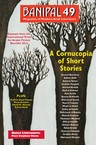
Published in Banipal 49 - A Cornucopia of Short Stories
Back to Selections from Banipal 49 - A Cornucopia of Short Stories
Back to Contents Page of Banipal 49 - A Cornucopia of Short Stories
For news of readings, events and new titles.
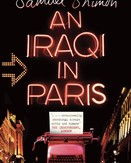
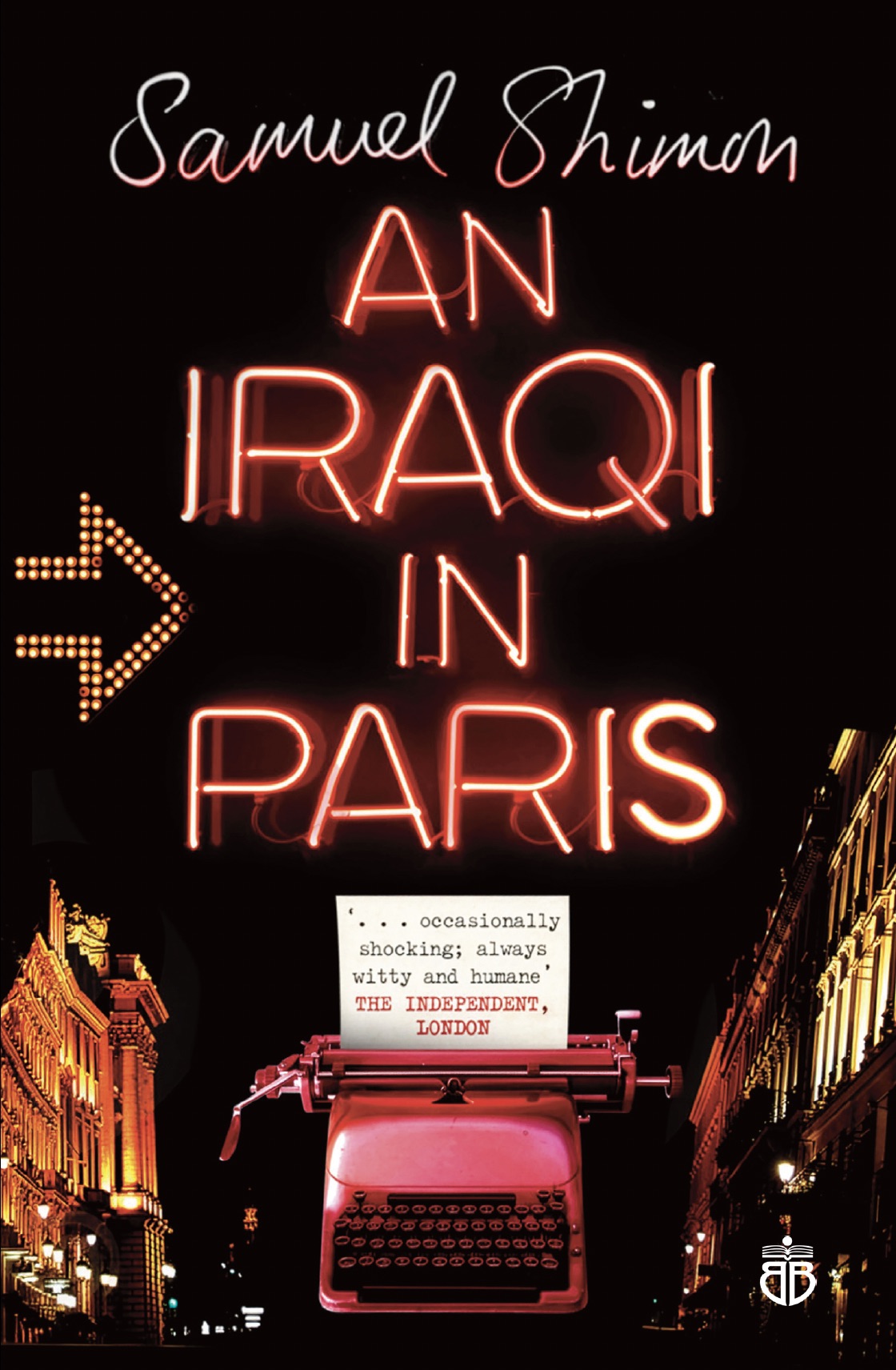
An Iraqi in Paris by Samuel Shimon

The Cinderellas of Muscat by Huda Hamed (Banipal Books, 2025)

The Tent Generations
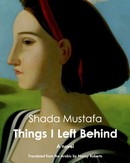
Things I Left Behind by Shada Mustafa, translated by Nancy Roberts
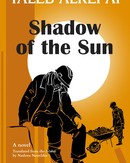
Shadow of the Sun by Taleb Alrefai

Birds of Nabaa, A Mauritanian Tale by Abdallah Uld Mohamadi Bah
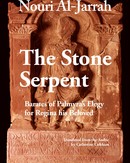
The Stone Serpent, Barates of Palmyra’s Elegy for Regina his Beloved by Nouri Al-Jarrah
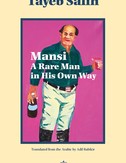
Mansi A Rare Man in His Own Way by Tayeb Saleh (Banipal Books, 2020)
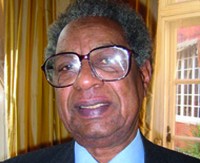
Tayeb Salih

Goat Mountain by Habib Selmi
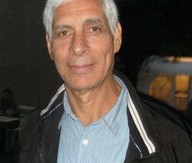
Habib Selmi, author of Goat Mountain and 3 times shortlisted for the IPAF

The Mariner by Taleb Alrefai (Banipal Books, 2020)
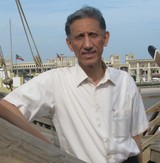
Taleb Alrefai, author of Shadow of the Sun and The Mariner

Fadhil Al-Azzawi's Beautiful Creatures by Fadhil al-Azzawi (Banipal Books, 2021)
Fadhil al-Azzawi

Poems of Alexandria and New York by Ahmed Morsi (Banipal Books, 2021)

Saïd Khatibi
Amjad Nasser (1955–2019)

Digital Banipal the full archive
Ahmed Morsi, author of Poems of Alexandria and New York

Sarajevo Firewood
The Madness of Despair


.png)



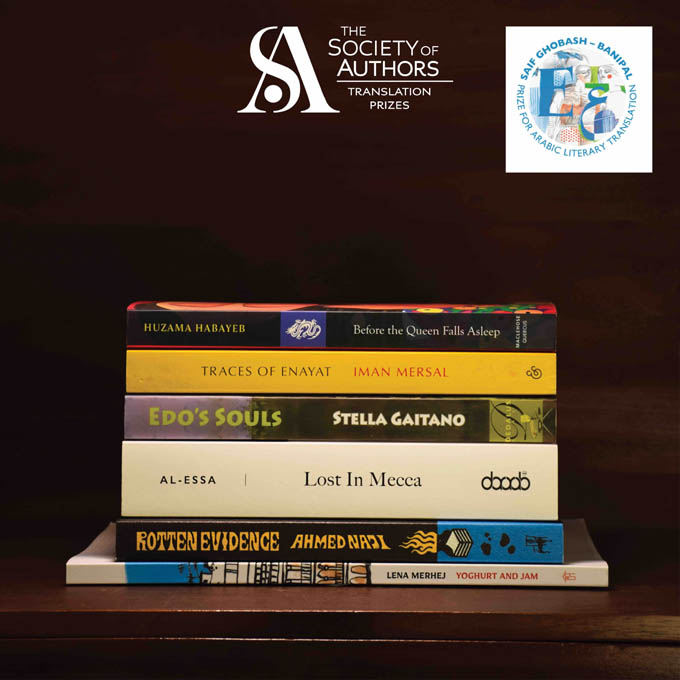

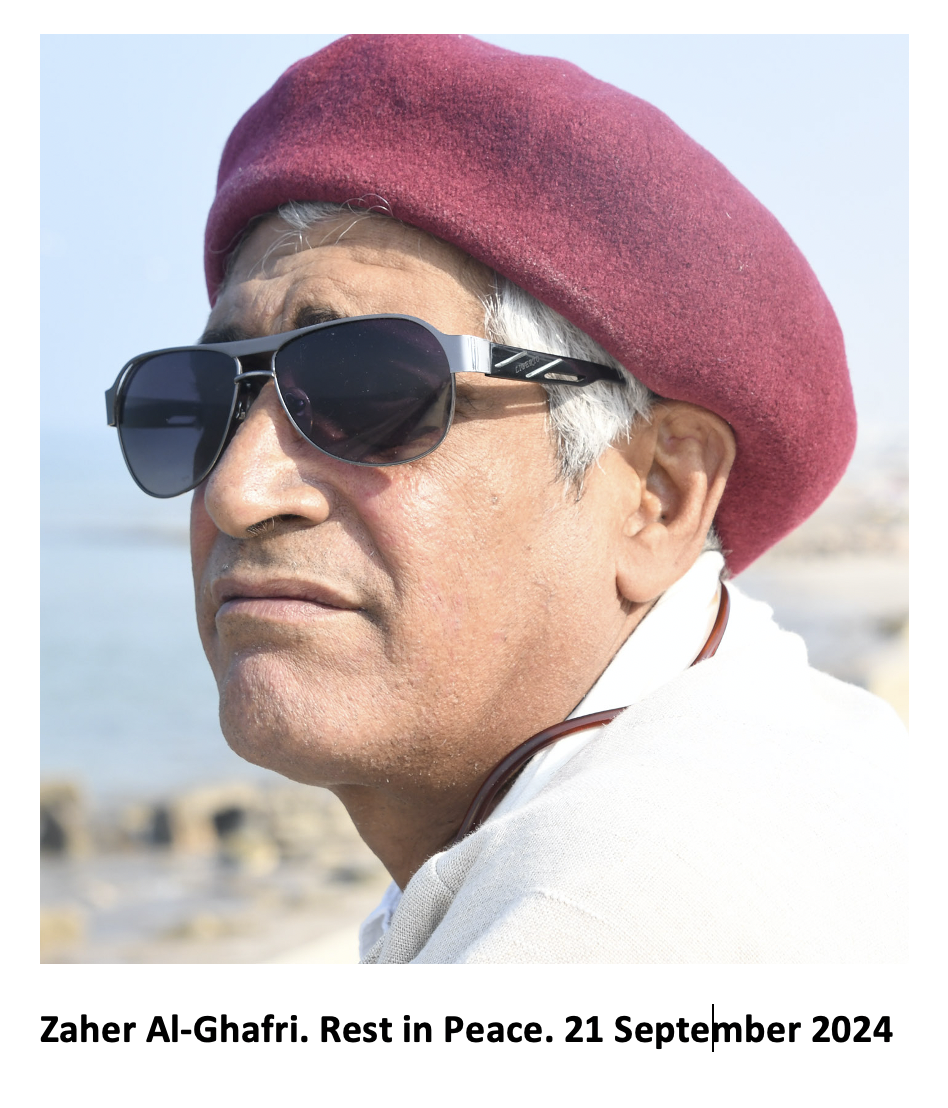

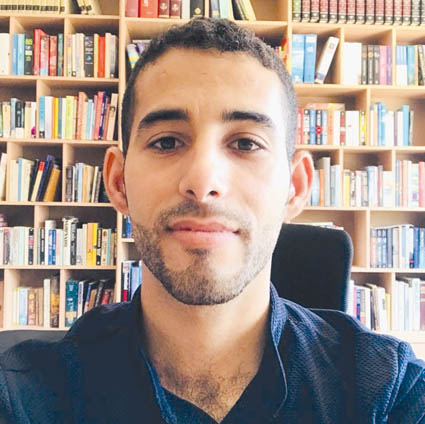
Link to poems by Mosab Abu Toha, published in Banipal 71 (Summer 2021), available to read online
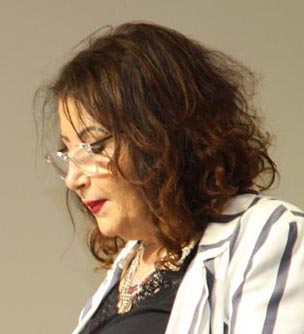
Link to poem by Liana Badr published in Banipal 74, now available as an online selection
























* * *

























 Reprint out now
 GRIFFIN PRIZE SHORTLIST 2023
 Banipal's first audiobook