Receive Our Newsletter
For news of readings, events and new titles.


Four Very Short Stories
Translated by John Peate
No
rest for house cats
She
sent her little one out to play while staying close by, circling him
affectionately. She stroked his smooth-furred back. She mewed with her broken
voice and her tail danced. She shoved her head into the swelling folds of his
belly with love, only able to hear its high gurgle.
She meditated . . .
Then she began with deep affection to lick his tail with her warm tongue. He
rose from his sleep, vexed, splayed his claws and pushed her away, saying:
“What did you leave for the street cats then?”
He went out of the house, fiercely slamming the door behind him and heading for
the street.
A
souvenir
It
was a beautiful earring despite its humbleness. A crystal droplet in the shape
of a tear. But neither its beauty nor its lightness was her main reason for
loving it, for her being attached to it. That came from its being a gift from
the man in her life she had loved most of all.
It was the stylist’s pulling on her hair with the brush that had dislodged the
clasp from the pin behind. It had slowly rolled down her abaya and come to rest
beside her chair. In the process, the hairdresser, off to make some coffee, had
trodden on itcausing it to lodge, unfelt, in the sole of her trainer. She had
then left the salon and hailed a taxi. On getting out she had scraped the
bottom of her trainer on the car mat, depositing the earring to be left there
for hours, until another customer, who had hailed the taxi to go to the
airport, had noticed it.
He had been captivated by the earring and decided to keep it as a memento of
his first trip to that beautiful country. Back home, his wife, having come
across the earring in his office drawer, wouldn’t believe the taxi story. She
imagined the girl he had slept with on his trip, the one who had left her
earring on the pillow for him. He must’ve decided to keep it as a memento of
that night. That earring was the cause of many a scene between the couple
until, bringing matters to a head, she threw it down a drain so as to rob him
of it forever.
To this day, its original owner, every time she goes to the salon where she
lost it, assails the staff with questions about that crystal earring of hers,
the one made in the shape of a tear.
The
tap and the sink
The
tap said to the sink:
“What a petty job you’ve got, holding water in your basin then letting it out.”
The sink replied angrily:
“So you think people would try washing from you without me? Your little trickle
would leave everything dirty.”
The tap laughed sarcastically and said: “How stupid are you? Don’t you realise
how much you depend on me? You’re nothing without me.”
“How arrogant you are! You need me as much as I need you.”
Then the tap, fuming with rage, turned its head twice till you could hear its
thread crack and said: “Now you’ll realise what you are without me.”
In the days that followed, people steered clear of the sink when they found out
the tap didn’t work. Some even kicked it in anger. After a week a man came with
a metal box full of tools. He sized up the situation, worked on it for an hour
and then dropped the arrogant tap into the dark of his metal box. The sink,
though, remained where it was and people flocked to try out its new tap.
An
antique
The
boy’s eyes widened when he saw the trunk for the first time. It was only
because of a promise to fix his watch that his grandfather he had taken his old
tools out of the trunk, that he had hidden away. The little boy’s hand plunged
into it but found nothing until he finally grasped something at the bottom.
He gasped and pointed: “What’s that, granddad?”
“We call it a pocket watch,” replied his grandfather. “Your great-grandfather
brought this back from his first visit to England.”
He opened the lid of the round, engraved case. Within it nestled a watch.
“Give me that one and take my watch, granddad,” the boy pleaded insistently.
The grandfather laughed: “It’d be no good to you, my lad. It doesn’t work and
there’s no hope of fixing it.”
“So why do you keep it then, granddad?”
* * *
That evening, he slipped gently into his
bed, trying not to wake his wife who appeared, from the loudness of her
snoring, to be deep in sleep. He lay there, repeating to himself the answer he’d
given to the boy’s question: “There are some things we can’t use any more but
we just don’t have the strength to get rid of them.”
For news of readings, events and new titles.

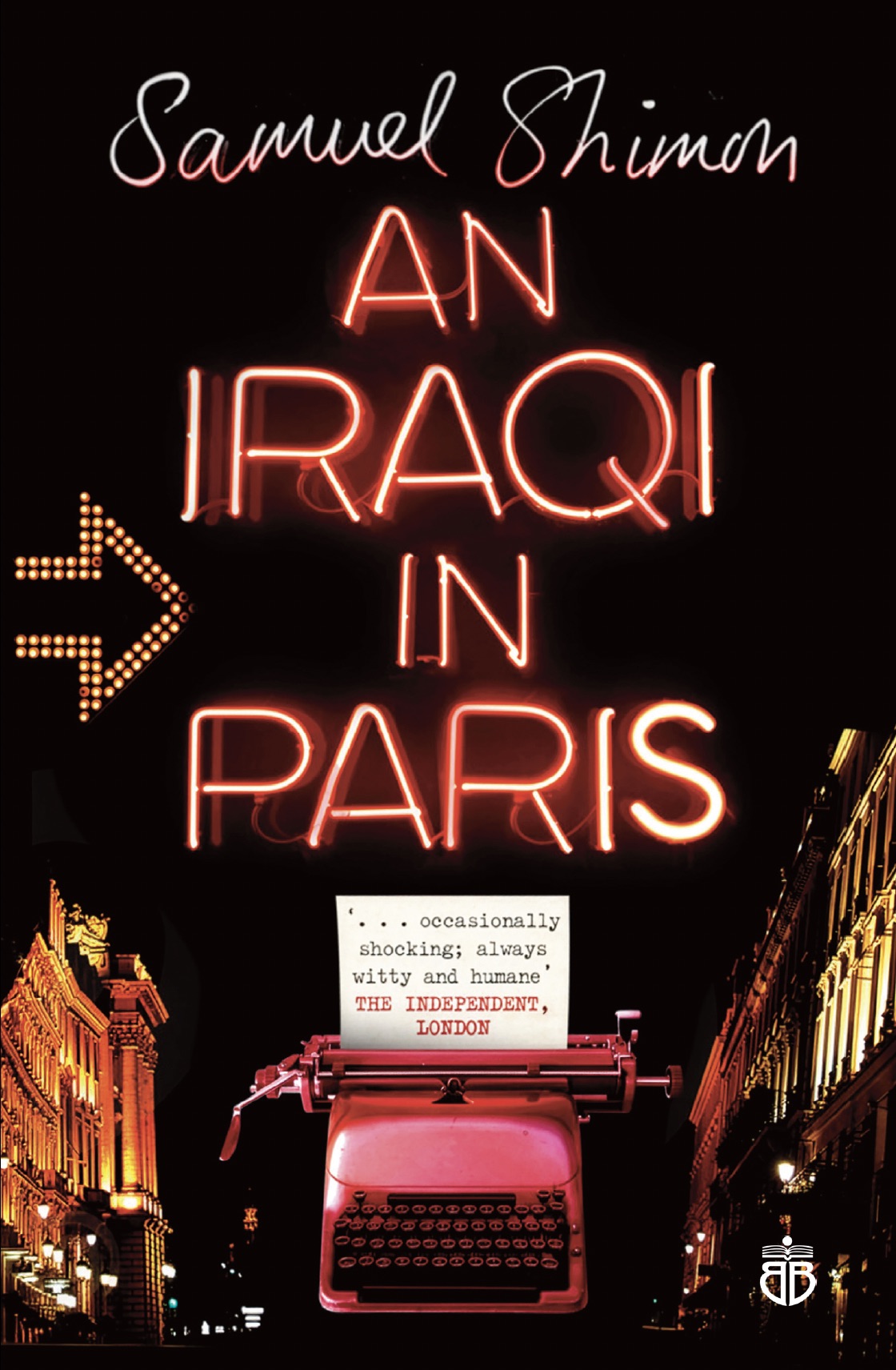
An Iraqi in Paris by Samuel Shimon

The Cinderellas of Muscat by Huda Hamed (Banipal Books, 2025)

The Tent Generations
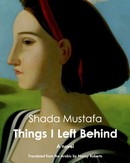
Things I Left Behind by Shada Mustafa, translated by Nancy Roberts
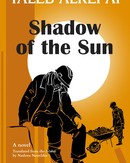
Shadow of the Sun by Taleb Alrefai

Birds of Nabaa, A Mauritanian Tale by Abdallah Uld Mohamadi Bah
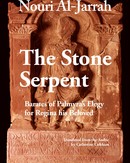
The Stone Serpent, Barates of Palmyra’s Elegy for Regina his Beloved by Nouri Al-Jarrah
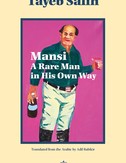
Mansi A Rare Man in His Own Way by Tayeb Saleh (Banipal Books, 2020)

Tayeb Salih
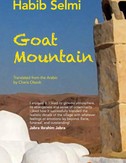
Goat Mountain by Habib Selmi

Habib Selmi, author of Goat Mountain and 3 times shortlisted for the IPAF
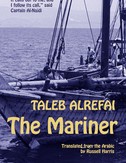
The Mariner by Taleb Alrefai (Banipal Books, 2020)

Taleb Alrefai, author of Shadow of the Sun and The Mariner

Fadhil Al-Azzawi's Beautiful Creatures by Fadhil al-Azzawi (Banipal Books, 2021)

Fadhil al-Azzawi

Poems of Alexandria and New York by Ahmed Morsi (Banipal Books, 2021)

Saïd Khatibi

Amjad Nasser (1955–2019)

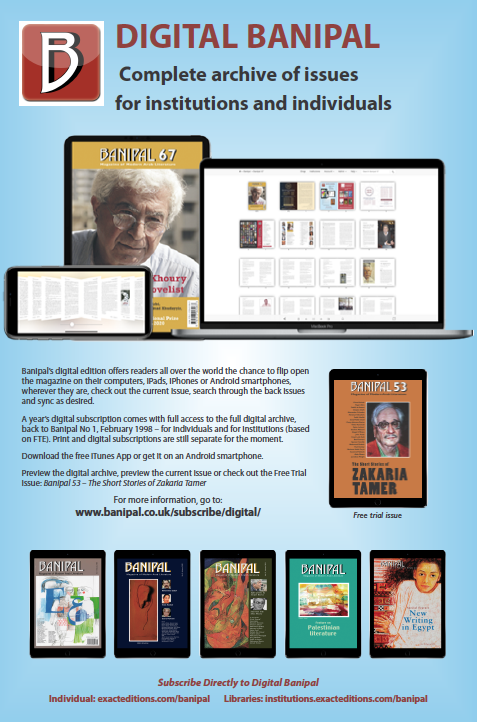
Digital Banipal the full archive
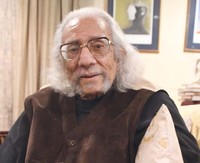
Ahmed Morsi, author of Poems of Alexandria and New York

Sarajevo Firewood

The Madness of Despair



.png)



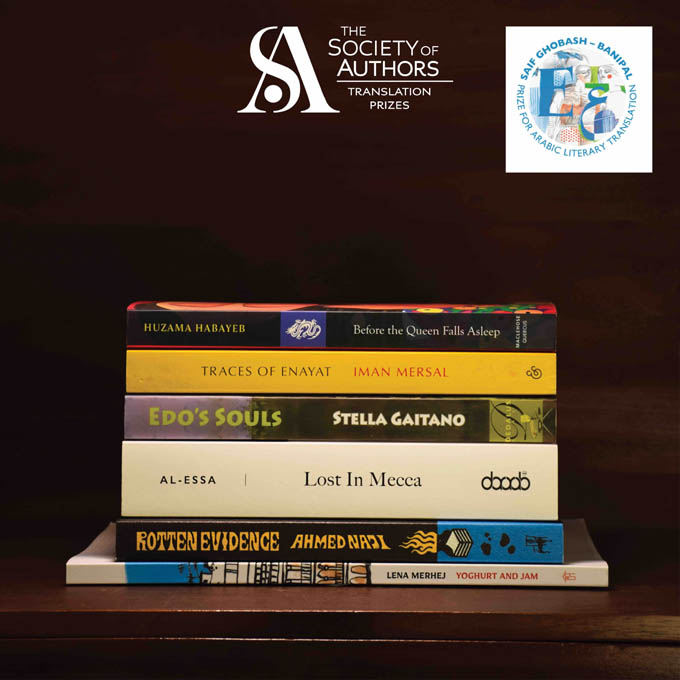





Link to poems by Mosab Abu Toha, published in Banipal 71 (Summer 2021), available to read online

Link to poem by Liana Badr published in Banipal 74, now available as an online selection






















* * *





















 Reprint out now
 GRIFFIN PRIZE SHORTLIST 2023
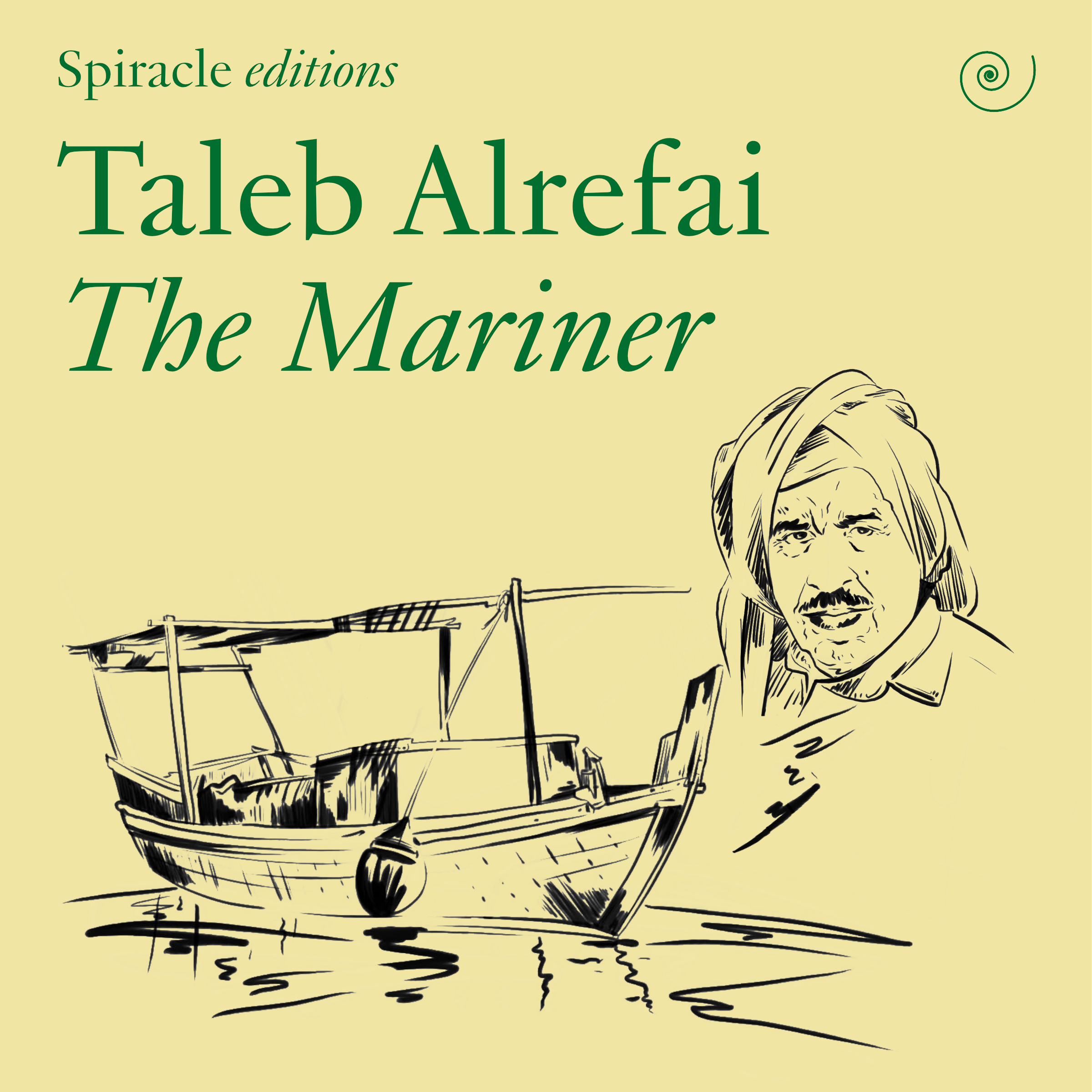 Banipal's first audiobook