Receive Our Newsletter
For news of readings, events and new titles.

Some people may say
That he has been resuscitated.
But his death will be prolonged,
Once through a rumour,
Another time through a joke.
His lifespan won’t be enough
For him to only die once.
There is more than one plot,
There is more than one rancour,
Making his death infinite.
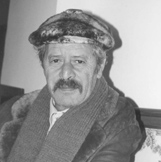
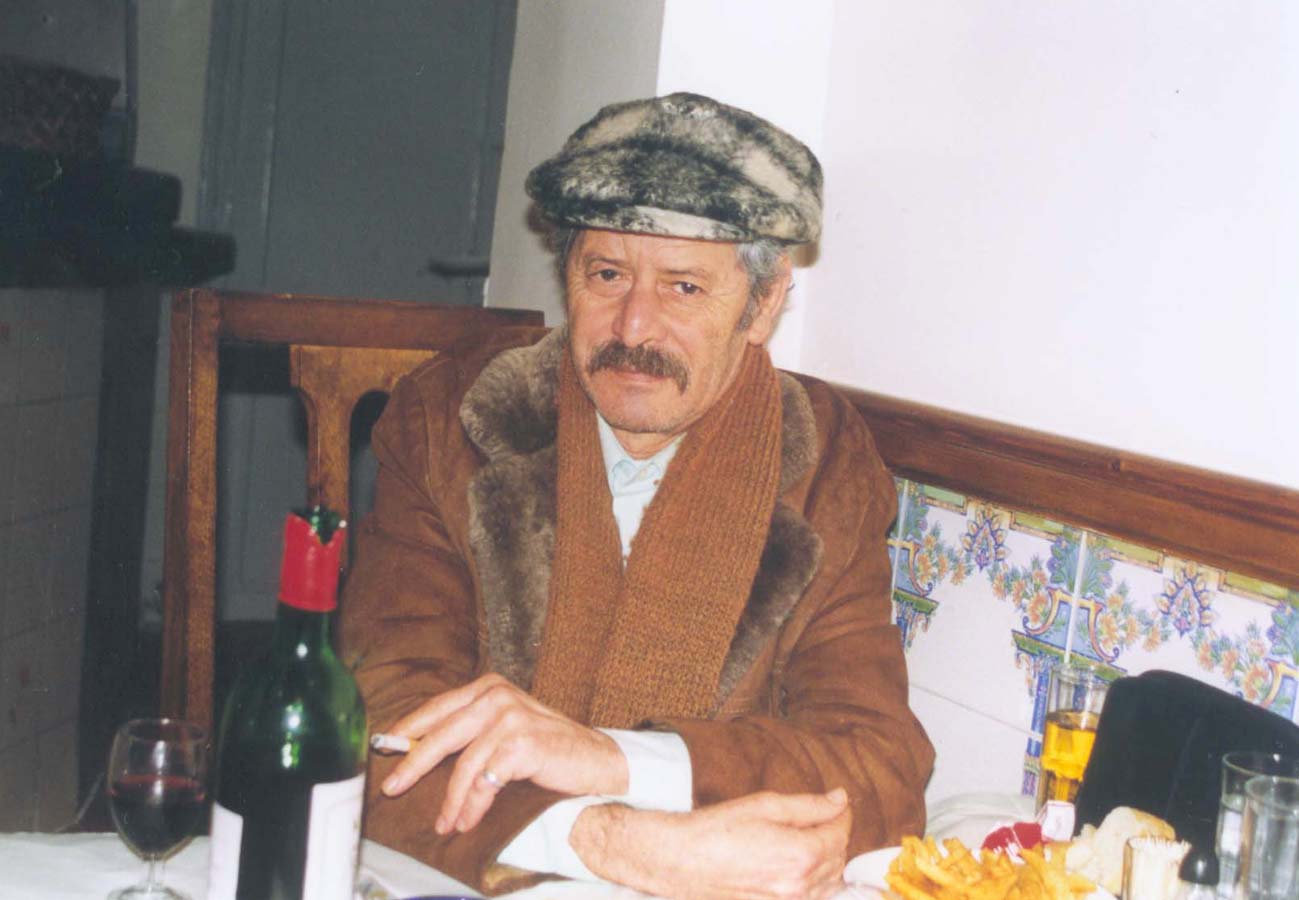
Moncef’s passion for news of death and the deceased started at an early age. Today in the city, he has become the roaming historian of death; after the family of the deceased, he is the first to find out that someone has passed away.
He would scour Arabic and French newspapers for information, and try very hard to spell out the Spanish ones. He would get newspapers in cafés and bars from customers whom he would inform about who had died that day or the day before, and who was dying. To enrich his knowledge, he would only read the obituaries if the deceased was a writer or an artist. The death of ordinary people barely received any coverage in newspapers. He knew everything about people living in the city, from the day they were born until the day they died. That included immigrants who came here and settled down. His news about the death of someone, whether in Tangier or another city, near or distant, was irrefutable. He would colour-code death by categories: red for murder, white for natural causes, and black for suffocation! He would even be able to tell you if the person was good or bad. Every story about a deceased person included information about who he was, who he was not, and who he could have been. Each one stemmed from reality, or a reality embellished with some imagination. The way he would tell the story and how much he would say depended on how many drinks he was offered, how good his mood was, how much courtesy he was shown, and how close his relationship was with the person listening to him – be it someone interested in knowing either about the secrets of the deceased, or simply that the person had died. Basically, you would hear as much as you wanted to know.
Moncef rarely respected the saying “Speak well of the dead,” especially when the deceased person had flaws. What he had to say about the dead person, good or bad, depended on the appetite and generosity of the listener. He would either start his story by saying: “Poor so-and-so has died,” or “So-and-so who died was this and that.”
He even had stories about the death of pets (dogs, cats, parrots, birds), as well as plants and inanimate objects. Every piece of news he ever told was fact: “Antonia’s dog died, and she cried over him a lot. Eventually she got drunk and pissed herself at Le Grillon Bar”; “There was a row of trees on the way to that private school. Three of them were cut down to make space for parents to park their cars when they come to pick up their kids from school”; “The historic bar-restaurant Parade will be demolished in order to construct a one-storey building in its place.”
No one could compete with Moncef in spreading news about death except death itself. His real job was a broker; he would arrange the rental and/or purchase of houses in the old city. He knew just as much about the old city’s news and its solid and shaky houses as he did about the dead and the demolition of buildings. His greatest pleasure, though, was news of the dead, whether from his neighbourhood or from others, near and far. His passion for death and news of the dead knew no bounds; wherever they were, he would know about them. He talked about them cheerfully, and sometimes he would innocently start giggling, depending on how much fun the audience was, and how much they liked his story about the last person who had died, or memories of other dead people in the city.
At funerals, he used to stay with people at the back and then, as soon as the cortege approached the cemetery, he would squeeze himself into the crowd so as to be the first one to enter; that is, unless someone else arrived there before him. Outside or within the cemetery, there may be more than one child awaiting the cortege, or sometimes nobody at all. Al-Auni was the only kid who used to stand in his way. He had a small bear face and a big tummy that did not match his age or his short stature. Moncef was not jealous of Al-Auni because he was a sweet and quiet boy, and he pitied his bulging belly. After the burial, Moncef would fill his tummy with the bread and figs given to mourners attending the funeral. He used to give his friends in the neighbourhood the left-over food, because the other adult mourners were not hungry.
He did not regularly attend his classes in high school, so he expelled himself before they could expel him. Once he started working, he stopped attending funerals. If the deceased was a neighbour or a close relative, he would fake being sick or travel to a northern city for several days to cover up for his absence. Despite his obsession with news of all those who had died, those who were dying, and those who were sick or disabled, he was most interested in spreading news about the death of rich people and top officials in the city. It was an opportunity for him to tell their life story and how they had started out poor and became rich, or vice versa. He never got overwhelmed or felt sad or happy when telling a story about a dead person, unless he sensed that the audience wanted him to feel that way.
At the onset of his interest in spreading news of death, he was not aware that what made the news important and intriguing for people was the amount of information he could provide about the deceased, and the stories he concocted about them. Moncef became an expert informant with whom nobody could compete. He was the undisputed reference when it came to news of dead people in the city. The deceased people he would talk about in hushed tones were usually rich or powerful tyrants. He rarely spoke well of them unless he wanted to butter up the person who was listening to him, avid to know the secrets of the deceased, true or false. He would begin his reports on the dead from the onset of their chronic illness. He would check to see, for example, if the retired professor was still walking twice a day in his neighbourhood as his doctor had recommended. If Moncef was not in a hurry, he would even approach him and talk to him. The professor would take the opportunity to ask what the news was in the city’s old bars. He kept drinking heavily until a debilitating illness took its toll on him. Moncef would see him from near or far more than once a week. Moncef did the same with Paul Bowles, who used to go for walks near the golf course, accompanied by his driver. He had just had surgery for sciatica. Whenever Moncef wanted to approach him to wish him a quick recovery, the driver’s angry red eyes would scare him off.
I always saw Moncef in café de la Poste. I had a routine with him. From afar, I would stick the tip of my tongue out and twist it to the right; he would smile and nod to indicate either yes or no. If it was a “no,” I would greet him from afar or sit with him, reflecting on those who had recently passed away. But if it was a “yes,” I would definitely go and sit with him. Between his smiles and gentle laughter, he would talk about the virtues or flaws of the deceased person. I would go along with him, smiling and laughing in a bid to please him and make him reveal every scrap of information and secret he knew about the dead person. When I would ask him about someone I knew whose sudden death had shocked me, he would tell me in a knowing tone how the person had been suffering from a chronic illness. He was always so certain of what he said, as though he had bet on a horse which was sure to win. “You know nothing,” he would say. “He was the favourite to go at any time.” If the deceased was living an extravagant and luxurious life, he would comment sarcastically in an indifferent tone: “He who enjoys his life should keep his eyes shut.” But who could possibly be satisfied with what D’Annunzio said in his Contemplation of Death: “Once you have learned everything with wisdom, contentment or anger, you let go of it all and disappear!”
Moncef moved to live near the cemetery and the golf course. He never answered people who asked him about his choice of residence, just as he never revealed why every death and funeral brought him so much joy.
Published in Banipal 73 – Fiction Past and Present (Spring 2022)
About Jonas Elbousty
Back to Selections
For news of readings, events and new titles.
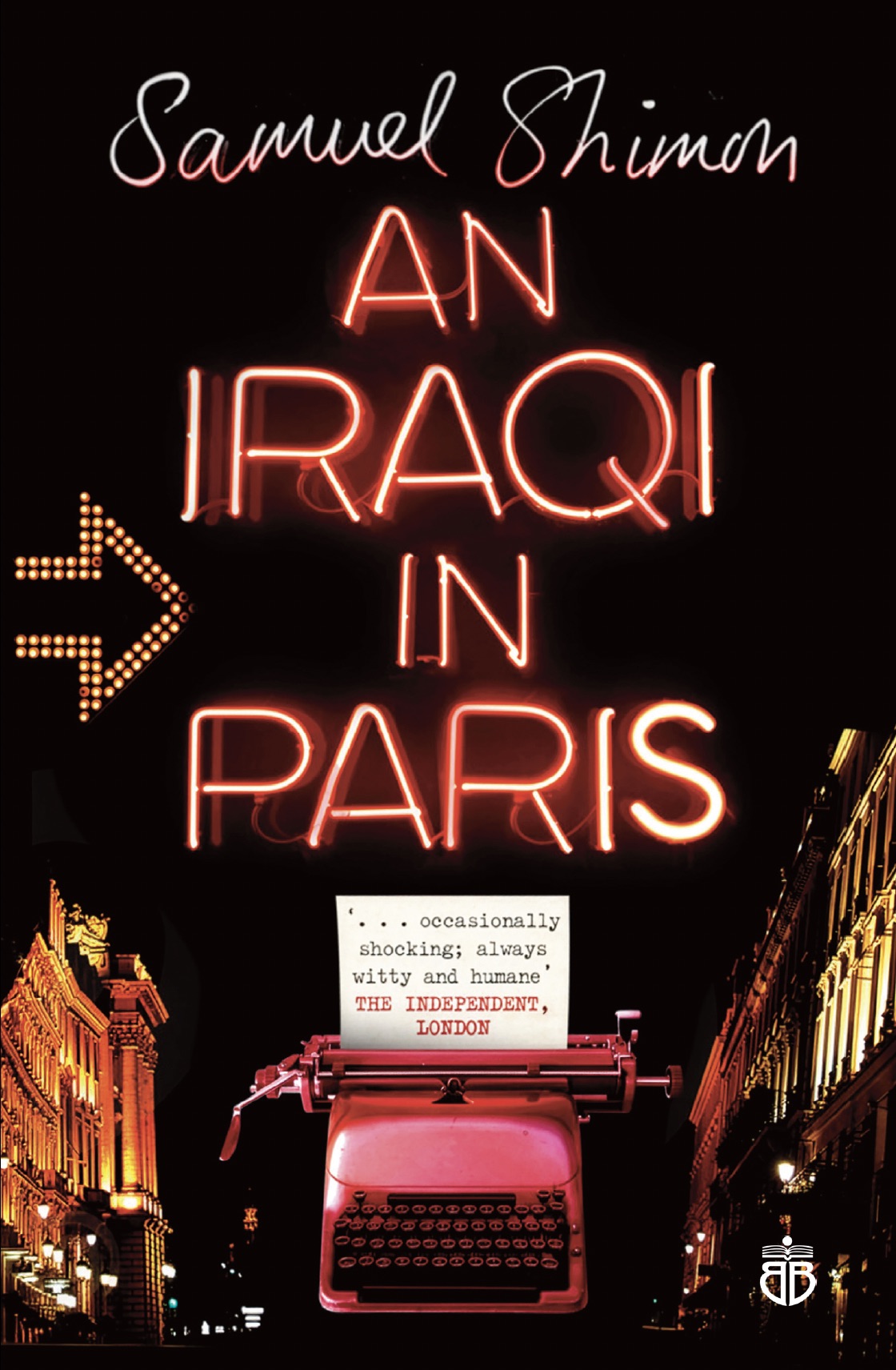
An Iraqi in Paris by Samuel Shimon

The Cinderellas of Muscat by Huda Hamed (Banipal Books, 2025)

The Tent Generations
Things I Left Behind by Shada Mustafa, translated by Nancy Roberts
Shadow of the Sun by Taleb Alrefai

Birds of Nabaa, A Mauritanian Tale by Abdallah Uld Mohamadi Bah
The Stone Serpent, Barates of Palmyra’s Elegy for Regina his Beloved by Nouri Al-Jarrah
Mansi A Rare Man in His Own Way by Tayeb Saleh (Banipal Books, 2020)
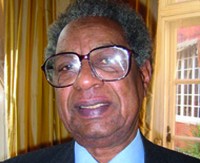
Tayeb Salih

Goat Mountain by Habib Selmi
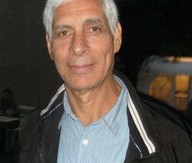
Habib Selmi, author of Goat Mountain and 3 times shortlisted for the IPAF

The Mariner by Taleb Alrefai (Banipal Books, 2020)
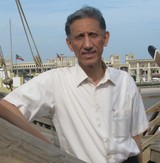
Taleb Alrefai, author of Shadow of the Sun and The Mariner

Fadhil Al-Azzawi's Beautiful Creatures by Fadhil al-Azzawi (Banipal Books, 2021)
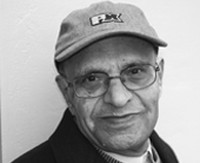
Fadhil al-Azzawi

Poems of Alexandria and New York by Ahmed Morsi (Banipal Books, 2021)
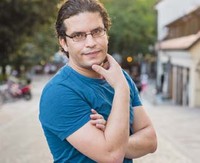
Saïd Khatibi
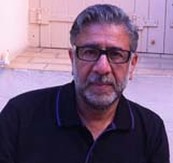
Amjad Nasser (1955–2019)

Digital Banipal the full archive
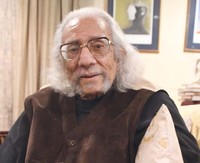
Ahmed Morsi, author of Poems of Alexandria and New York

Sarajevo Firewood
The Madness of Despair



.png)






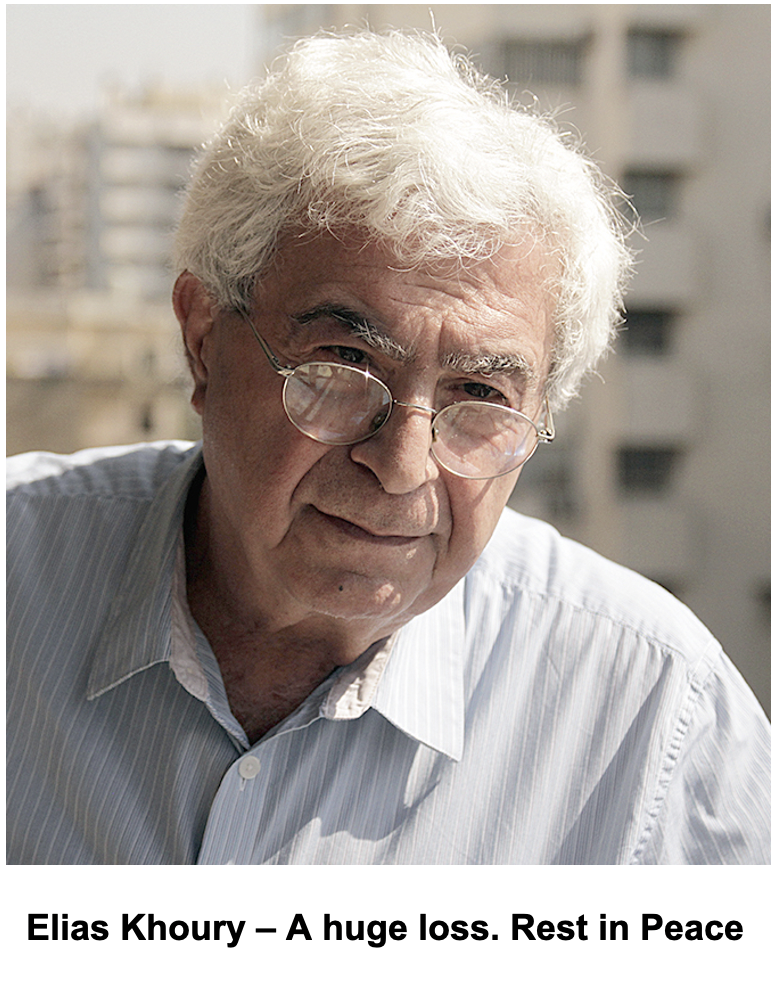


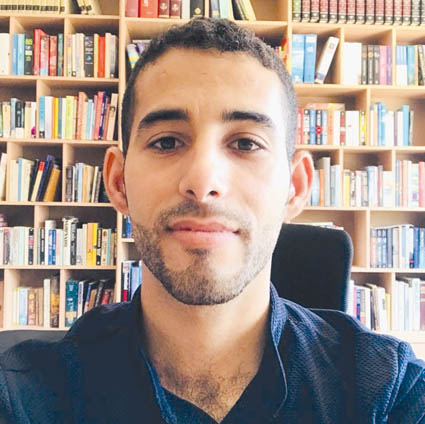
Link to poems by Mosab Abu Toha, published in Banipal 71 (Summer 2021), available to read online
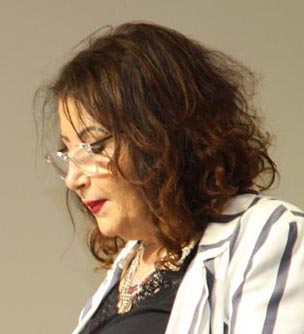
Link to poem by Liana Badr published in Banipal 74, now available as an online selection























* * *





















 Reprint out now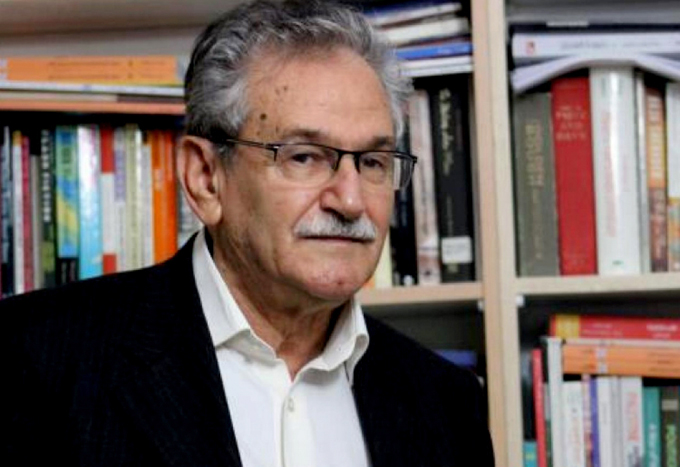
 GRIFFIN PRIZE SHORTLIST 2023
 Banipal's first audiobook