Receive Our Newsletter
For news of readings, events and new titles.

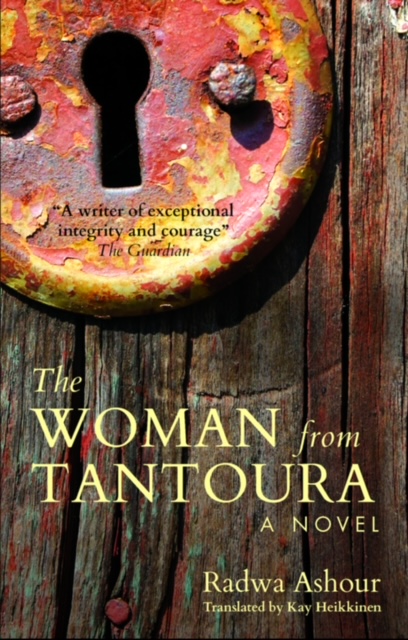
A rich, sweeping novel of Palestine with the Nakba at its heart, by an acclaimed author
The publisher's description of the book:
Ruqayya was only thirteen when the Nakba came to her village in Palestine in 1948. The massacre in Tantoura drove her from her home and from everything she had ever known. She had not left her village before, but she would never return. Now an old woman, Ruqayya looks back on a long life in exile, one that has taken her to Syria, Lebanon, the Gulf, and given her children and grandchildren. Through her depth of experience and her indomitable spirit, we live her love of her land, her family, and her people, and we feel the repeated pain of loss and of diaspora.
Amazon's description of the book:
Palestine. For most of us, the word brings to mind a series of confused images and disjointed associations—massacres, refugee camps, UN resolutions, settlements, terrorist attacks, war, occupation, checkered kuffiyehs and suicide bombers, a seemingly endless cycle of death and destruction. This novel does not shy away from such painful images, but it is first and foremost a powerful human story, following the life of a young girl from her days in the village of al-Tantoura in Palestine up to the dawn of the new century. We participate in events as they unfold, seeing them through the uneducated but sharply intelligent mind of Ruqayya, as she tries to make sense of all that has happened to her and her family. With her, we live her love of her land and of her people; we feel the repeated pain of loss, of diaspora, and of cross-generational misunderstanding; and above all, we come to know her indomitable human spirit. As we read we discover that we have become part of Ruqayya’s family, and her voice will remain with us long after we have closed the book.
*
Radwa Ashour (1946–2014) is a highly acclaimed Egyptian writer and scholar. She is the author of more than fifteen works of fiction, memoir, and criticism, including Granada (AUC Press, 2008) and Specters (AUC Press, 2010), and was a recipient of the Constantine Cavafy Prize for Literature and the prestigious Owais Prize for Fiction.
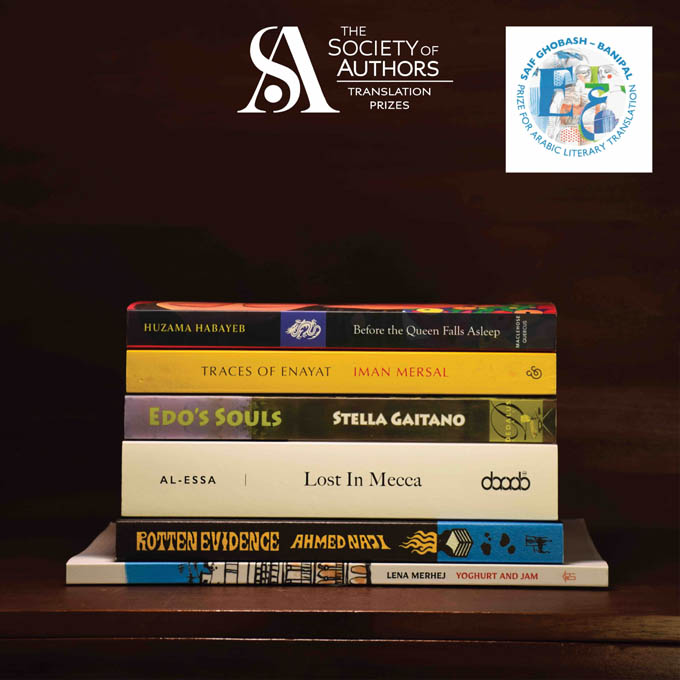
Kay Heikkinen is a translator and academic who holds a PhD from Harvard University. She was previously Ibn Rushd Lecturer of Arabic at the University of Chicago. Among other books, she has translated Naguib Mahfouz’s In the Time of Love, Velvet by Huzama Habayeb, for which she was awarded the 2020 Saif Ghobash Banipal Prize for Arabic Literary Translation, and by the same author Before the Queen Falls Asleep, which was shortlisted for the 2024 Saif Ghobash Banipal Prize. Kay Heikkinen lives in Seattle, Washington.
“Gives new insight into the known and hidden chapters of Palestinian history. It is also a celebration of Palestinian popular culture, of unsung heroes, big and small acts of resistance, creativity and resilience in the face of overwhelming odds.”―Sally Bland, Jordan Times
“Some books have a way of enchanting, attracting, and drawing you to leave your world and start a life among its pages. The Woman from Tantoura, the latest masterpiece from Egyptian writer Radwa Ashour, is exactly that kind of book.”―Diwan al-Arab
“Rich, challenging and indisputably important . . . a grand narrative of Palestinian life since the Nakba . . . Read this book. Then read it again, and then lend it to your friends.” ―Electronic Intifada
“Radwa Ashour was a powerful voice among Egyptian writers of the postwar generation and a writer of exceptional integrity and courage. Her work consistently engages with her country’s history and reflects passionately upon it . . . She will surely occupy an important place in the story to which she attended with such sensitivity and conscience."―The Guardian
“One of the most influential writers in Arab region”―Egypt Independent
“Ashour writes beautifully, balancing her own talent for evocative.”―India Stoughton, The Daily Star
"[P]rovides an understanding of the Nakba and forced displacement of Palestinians and what it means for a person to lose their homeland and become a refugee. It also provides insight into Palestine, its history, its villages and cities, about the torments of its people and their steadfastness, about its songs, heritage and trees and about the story of its people in precise detail."―Middle East Monitor
“Radwa Ashour reveals her sublime talent in her novel The Woman from Tantoura. Serious-minded, severe, and profound, [it] is an unforgettable story about the human search for meaning in the wake of suffering and tragedy. Highly recommended.”―The Midwest Book Review
“An important writer whose exemplary work we need more of in English”―The Independent
"A delightful read . . . recommended for anyone who wishes to understand the human cost of the Palestinian plight."―The Muslim World Book Review
*
We decided to choose The Woman from Tantoura by Radwa Ashour for the June meeting, after an animated discussion last month about The Secret of Saeed, the Ill-Fated Pessoptimist by Emile Habiby.
Tantoura is widely known for the massacre that took place there on 22–23 May 1948 during the Nakba, when the Palestinian villagers were massacred by the notorious Haganah, namely the Alexandroni Brigade. Wikipedia states: The massacre occurred after the surrender of the village of Tantura, a small village of roughly 1,500 people located near Haifa. The number of those killed is unknown, with estimates ranging from "dozens" to 200+.
In Emile Habiby's book, Saeed meets a 13-year-old girl from Tanturah (sic) village, while Radwa Ashour's novel takes up the story of Ruqayya now an old woman, but who was 13 when she was driven out of Tantoura in 1948 during the massacre.
You are probably also aware of, and may have seen, the harrowing documentary film Tantura by Israeli director Alon Schwarz, released in 2022. It interviewed men, now old, who carried out that very massacre in 1948, and who remain proud of what they did.
How many more massacres must Palestinian people suffer while the world's politicians look on?
ALL WELCOME ON 25 JUNE 2025
6.30pm to 8.00pm UK time.
Just email bookclub@banipal.co.uk
to ask for the Zoom login details,
which will be sent out on Monday 23 June
For news of readings, events and new titles.
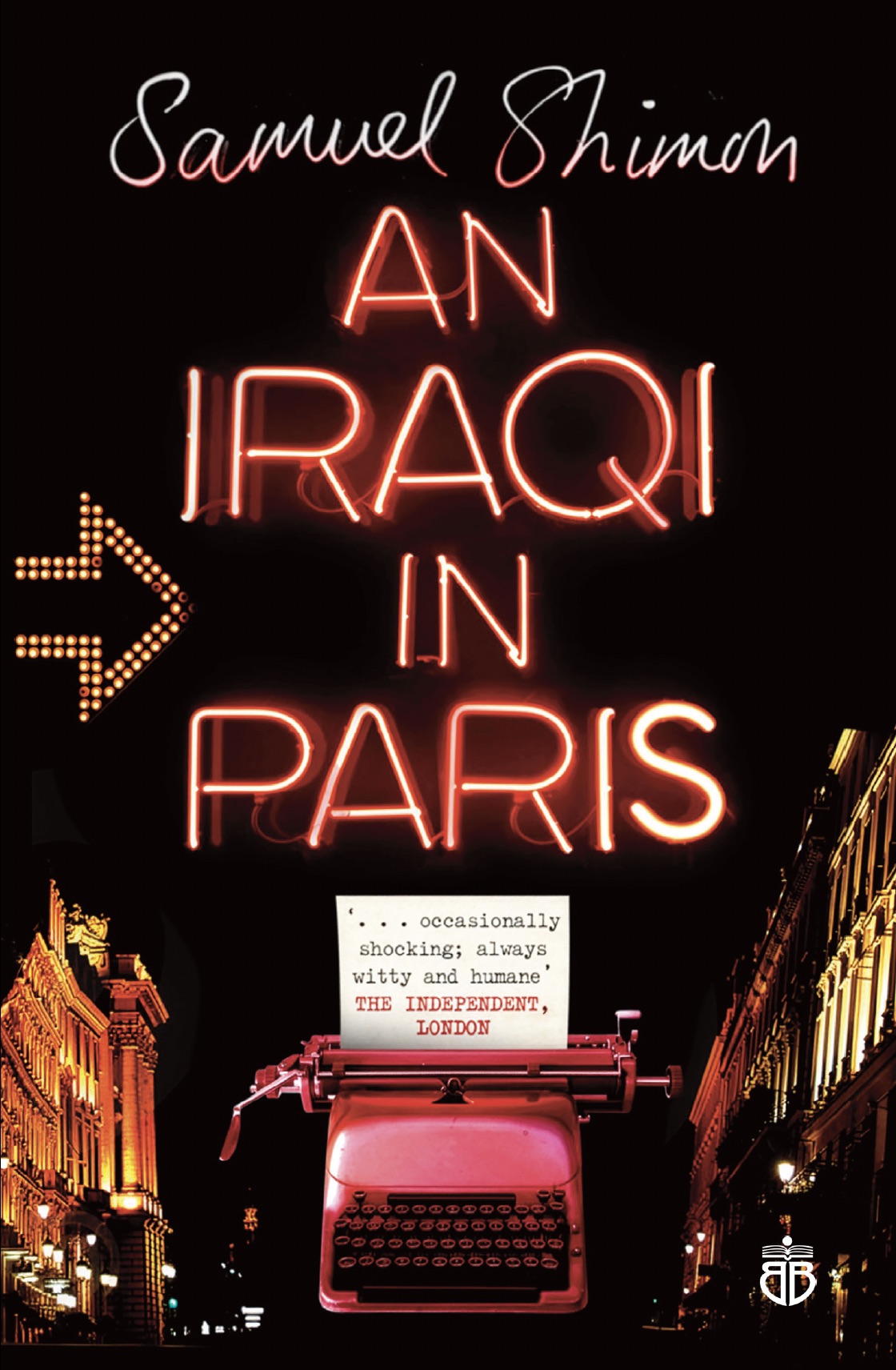
An Iraqi in Paris by Samuel Shimon
The Cinderellas of Muscat by Huda Hamed (Banipal Books, 2025)
The Tent Generations
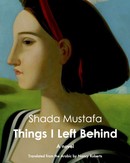
Things I Left Behind by Shada Mustafa, translated by Nancy Roberts
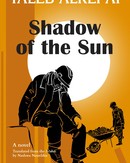
Shadow of the Sun by Taleb Alrefai
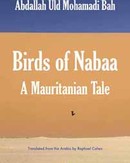
Birds of Nabaa, A Mauritanian Tale by Abdallah Uld Mohamadi Bah
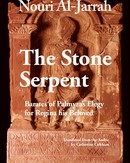
The Stone Serpent, Barates of Palmyra’s Elegy for Regina his Beloved by Nouri Al-Jarrah
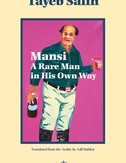
Mansi A Rare Man in His Own Way by Tayeb Saleh (Banipal Books, 2020)
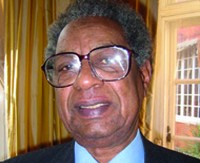
Tayeb Salih
Goat Mountain by Habib Selmi
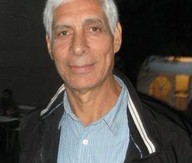
Habib Selmi, author of Goat Mountain and 3 times shortlisted for the IPAF
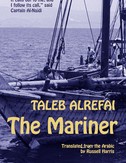
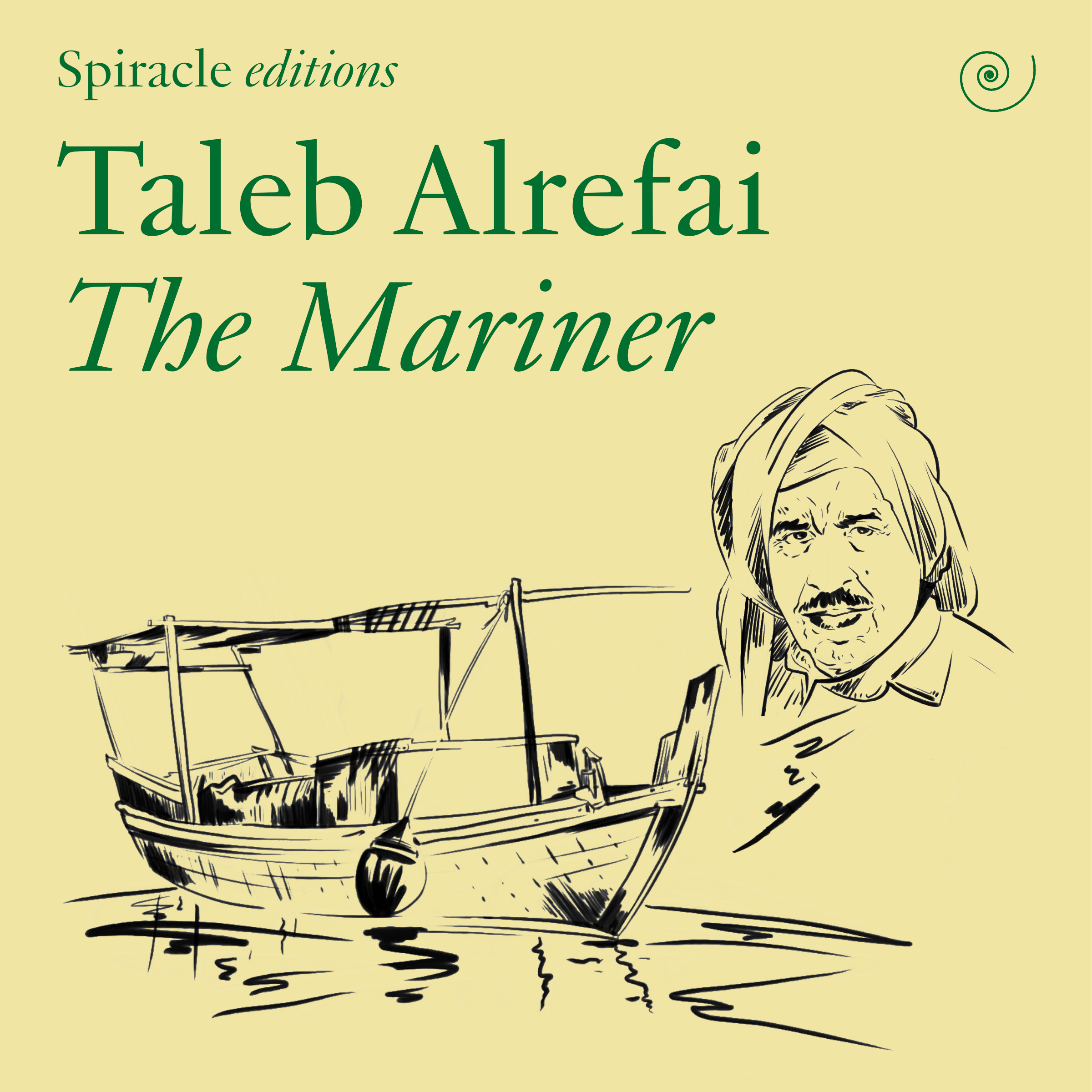
The Mariner by Taleb Alrefai (Banipal Books, 2020)
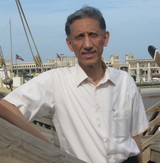
Taleb Alrefai, author of Shadow of the Sun and The Mariner
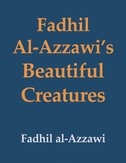
Fadhil Al-Azzawi's Beautiful Creatures by Fadhil al-Azzawi (Banipal Books, 2021)
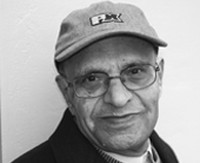
Fadhil al-Azzawi
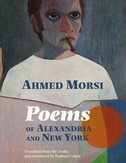
Poems of Alexandria and New York by Ahmed Morsi (Banipal Books, 2021)

Saïd Khatibi
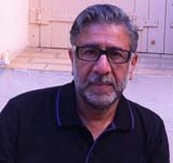
Amjad Nasser (1955–2019)

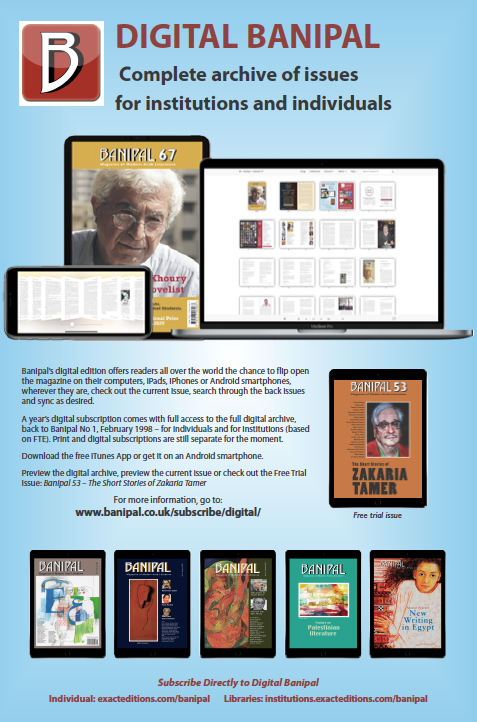
Digital Banipal the full archive
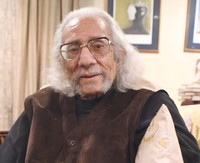
Ahmed Morsi, author of Poems of Alexandria and New York
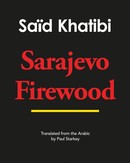
Sarajevo Firewood
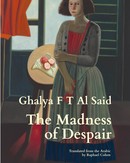
The Madness of Despair

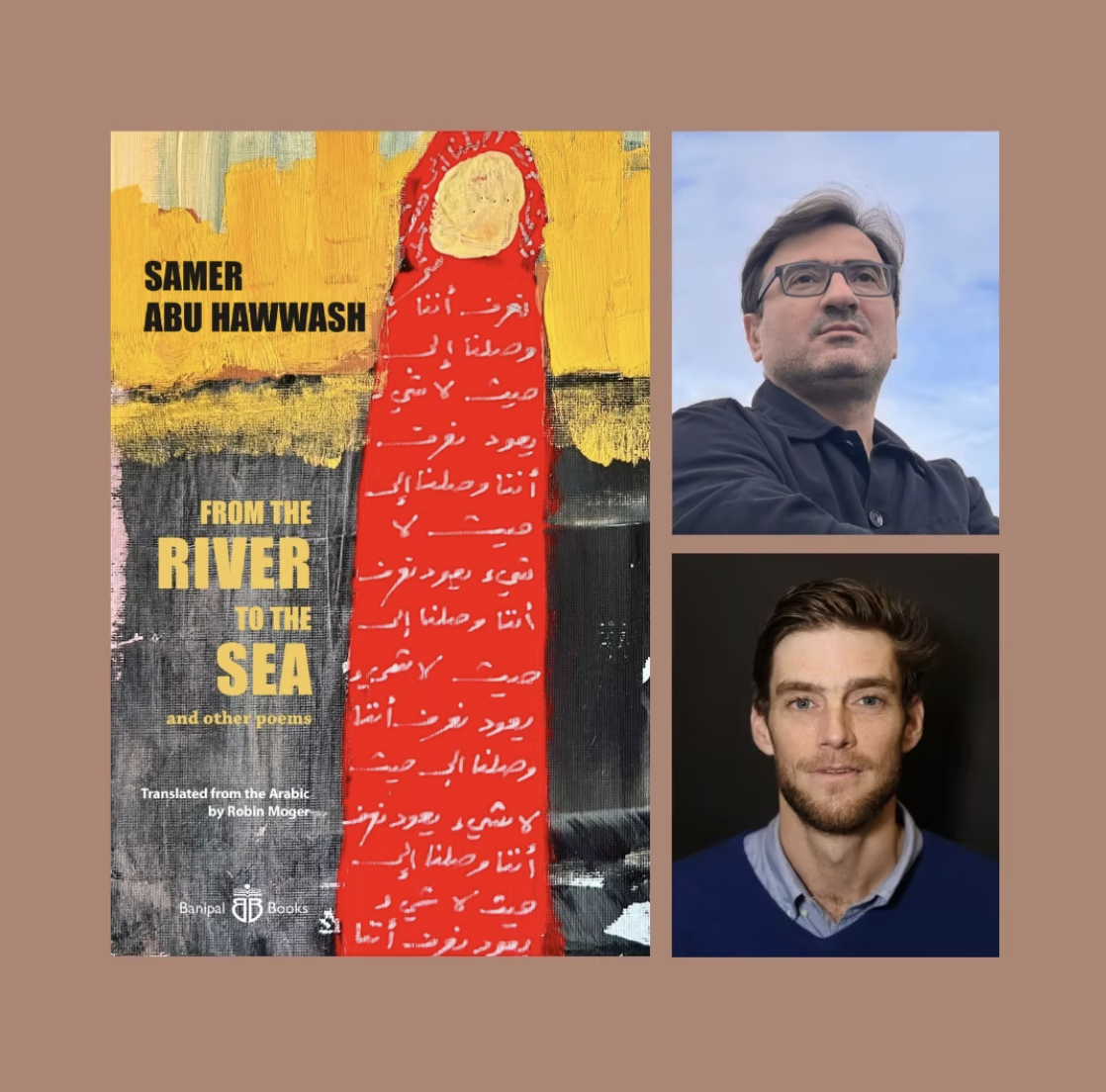
.png)

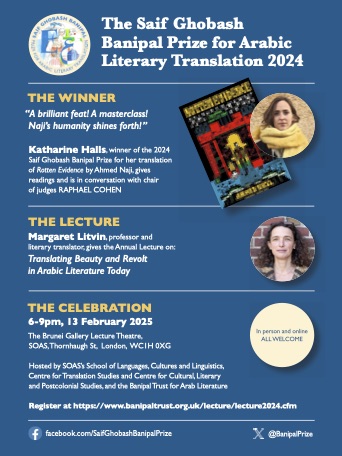
Link to poems by Mosab Abu Toha, published in Banipal 71 (Summer 2021), available to read online
Link to poem by Liana Badr published in Banipal 74, now available as an online selection









* * *

 Reprint out now
 GRIFFIN PRIZE SHORTLIST 2023
 Banipal's first audiobook