Receive Our Newsletter
For news of readings, events and new titles.

Tender Spot, Selected Poems
by Naomi Shihab Nye
Bloodaxe World Poets 5, 1st UK publication,
Bloodaxe Books Ltd, 2008, ISBN 978-1852 247911,
160 pp, pbk, £8.95
Mirroring a wounded world
These Selected Poems offer a fascinating window into a poet’s changing response to the world. Through three decades we watch the growth of a Palestinian American poet, growing out of a graceful early parochialism, a loving record of dailiness, into a cosmopolitan poetry of protest. For a long time she writes of people, of houses, friends, a boy met on Cypress Street, a bicycle, childhood memories, joyful adult love: always people and their confusions and comforts. Then gradually there emerges a more intense poetry, mirroring a harder more wounded world.
Naomi Shihab Nye’s earlier collections, which made her name in the US, display all a poet’s birth gifts of quick metaphor and sympathetic storytelling, Yet too often she succumbs to that irresistible (American?) need to tell as well as show which Adrianne Rich for years so brilliantly pushed and pulled to define the challenges of a generation of women, but which lesser wordsmiths tend to crochet into earnestness. At its flattest: ‘We’re not going to be able/ to live in this world/if we’re not willing to do what he’s doing/with one another’ (“Shoulders”). Still, many poems do shine out unselfconsciously, often based on the poet’s joy in the energy and funniness of young boys: In the lovely extended poem “Hugging the Jukebox” a boy sings along ecstatically with the dropping discs:
Alfred spreads tighter, arms stretched wide/head pressed on the luminous belly. ‘Now’ he yells/A half smile when the needle breathes again.
The nineties edge us into a larger, graver world. Her neighbourhood sympathy for ordinary people broadens to consider the world beyond those patriotic shining shores: the Middle East especially, the world of her much loved Palestinian father and grandmother. Palestinian deaths prompt her to a grief which she assuages with anxious peace gestures. Then 9/11 comes, war comes to Iraq, Israel cheats on Oslo and besieges occupied Palestine. As the poet follows the assault on a people and most of all on its children, so the poems spring up, in content, in passion and meaning. But anger alone is never enough in any poem of protest or witness, such as the protests that, unexpectedly, wonderfully, she ends with. These controlled detonations are anchored in personal history and natural affection. Her father, her grandmother, have been for her an idea of goodness. In “Blood” she writes of their name,Shihab – shooting star – //Once I said, ‘When we die, we give it back?’/He said that’s what a true Arab would say.
Poetically, she writes nearly always now in the first person, claiming less confirmation from “we” or “you”. She discovers a brilliant irony, with all the variations open to it. The old instructive impulse to declare, the desire to love, are very differently focussed. This new voice may sometimes sound a shade unsubtle but then so are events. Best of all she employs a controlled and scathing contempt for the killers in their impunity, in a poem for “Mohammed Zeid of Gaza, Age 15”, the boy, like so many, killed by a “stray” Israeli Army bullet. Here she reverses officialdom’s cover-up language calmly, contemptuously. This poem is featured on YOUTUBE, so listen to her voice there. And they should certainly put up “Letters my Prez is not sending” too. I cannot quote: it relies on its build-up. In a last poem where she honours the extraordinary legacy of another slaughtered child, she is original, even grand. Finally, because the poems show how to entwine love, anger and mourning, because they are charged now with this piercing sense of truth and history, Naomi Shihab Nye achieves a presence that speaks simply and must be heard.
For news of readings, events and new titles.
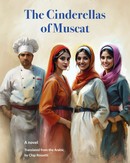
The Cinderellas of Muscat by Huda Hamed (Banipal Books, 2025)
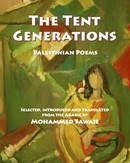
The Tent Generations
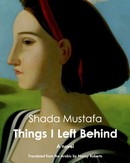
Things I Left Behind by Shada Mustafa, translated by Nancy Roberts
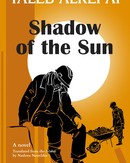
Shadow of the Sun by Taleb Alrefai
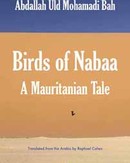
Birds of Nabaa, A Mauritanian Tale by Abdallah Uld Mohamadi Bah
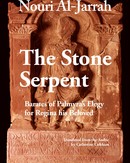
The Stone Serpent, Barates of Palmyra’s Elegy for Regina his Beloved by Nouri Al-Jarrah
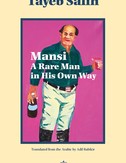
Mansi A Rare Man in His Own Way by Tayeb Saleh (Banipal Books, 2020)
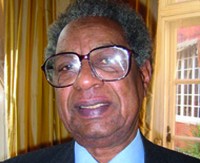
Tayeb Salih
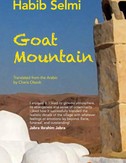
Goat Mountain by Habib Selmi
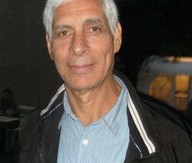
Habib Selmi, author of Goat Mountain and 3 times shortlisted for the IPAF
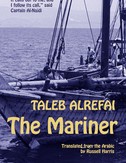
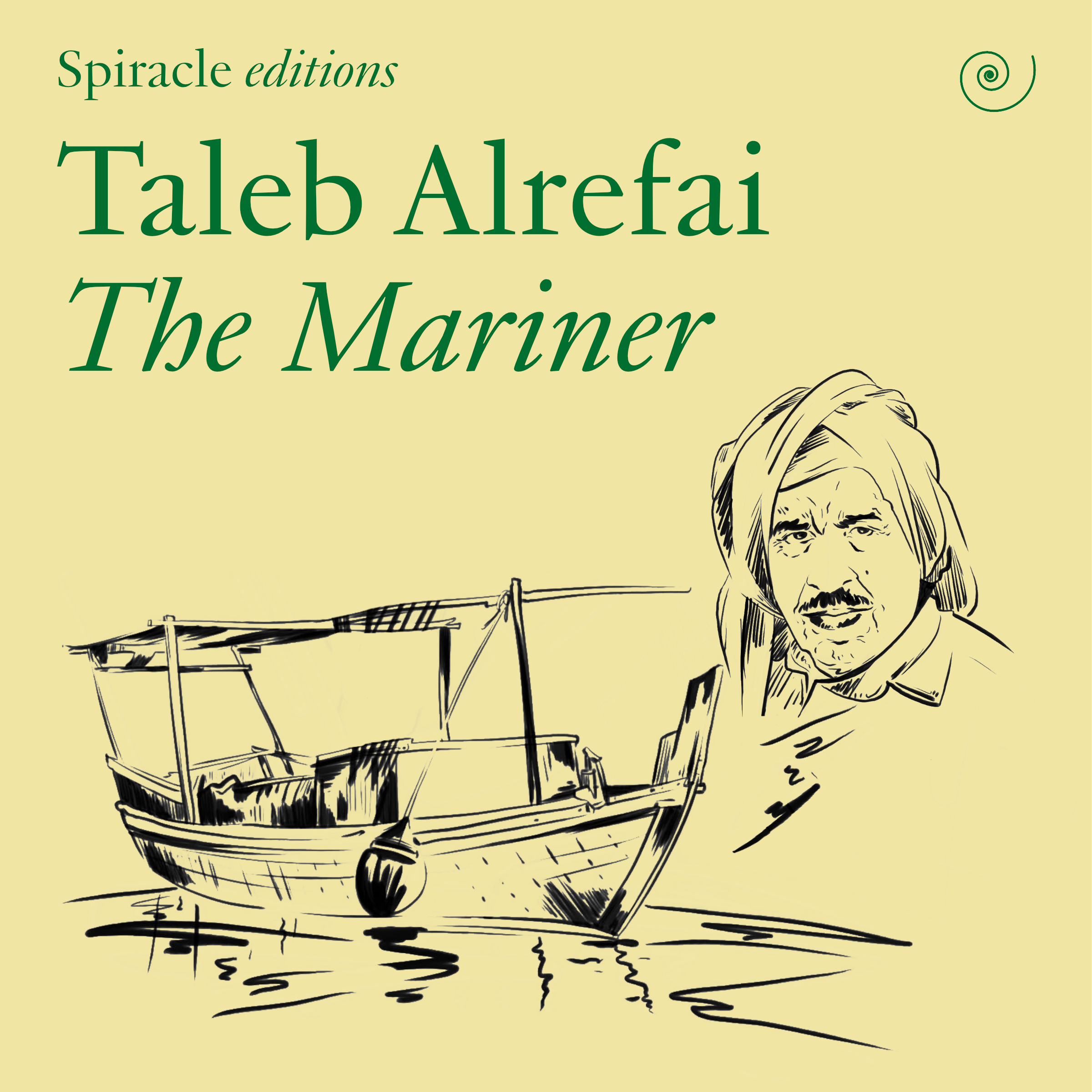
The Mariner by Taleb Alrefai (Banipal Books, 2020)

Taleb Alrefai, author of Shadow of the Sun and The Mariner
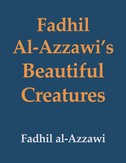
Fadhil Al-Azzawi's Beautiful Creatures by Fadhil al-Azzawi (Banipal Books, 2021)
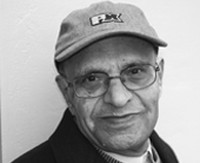
Fadhil al-Azzawi
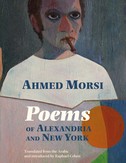
Poems of Alexandria and New York by Ahmed Morsi (Banipal Books, 2021)
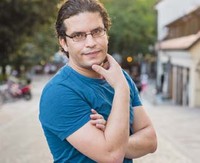
Saïd Khatibi
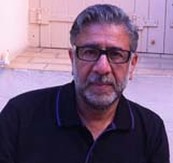
Amjad Nasser (1955–2019)

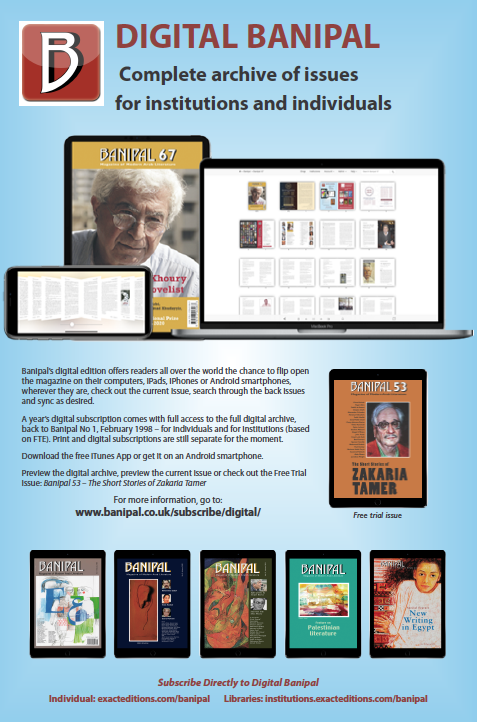
Digital Banipal the full archive
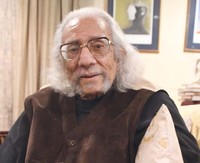
Ahmed Morsi, author of Poems of Alexandria and New York
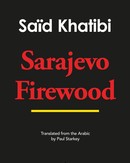
Sarajevo Firewood
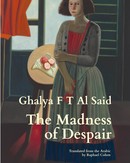
The Madness of Despair
.png)
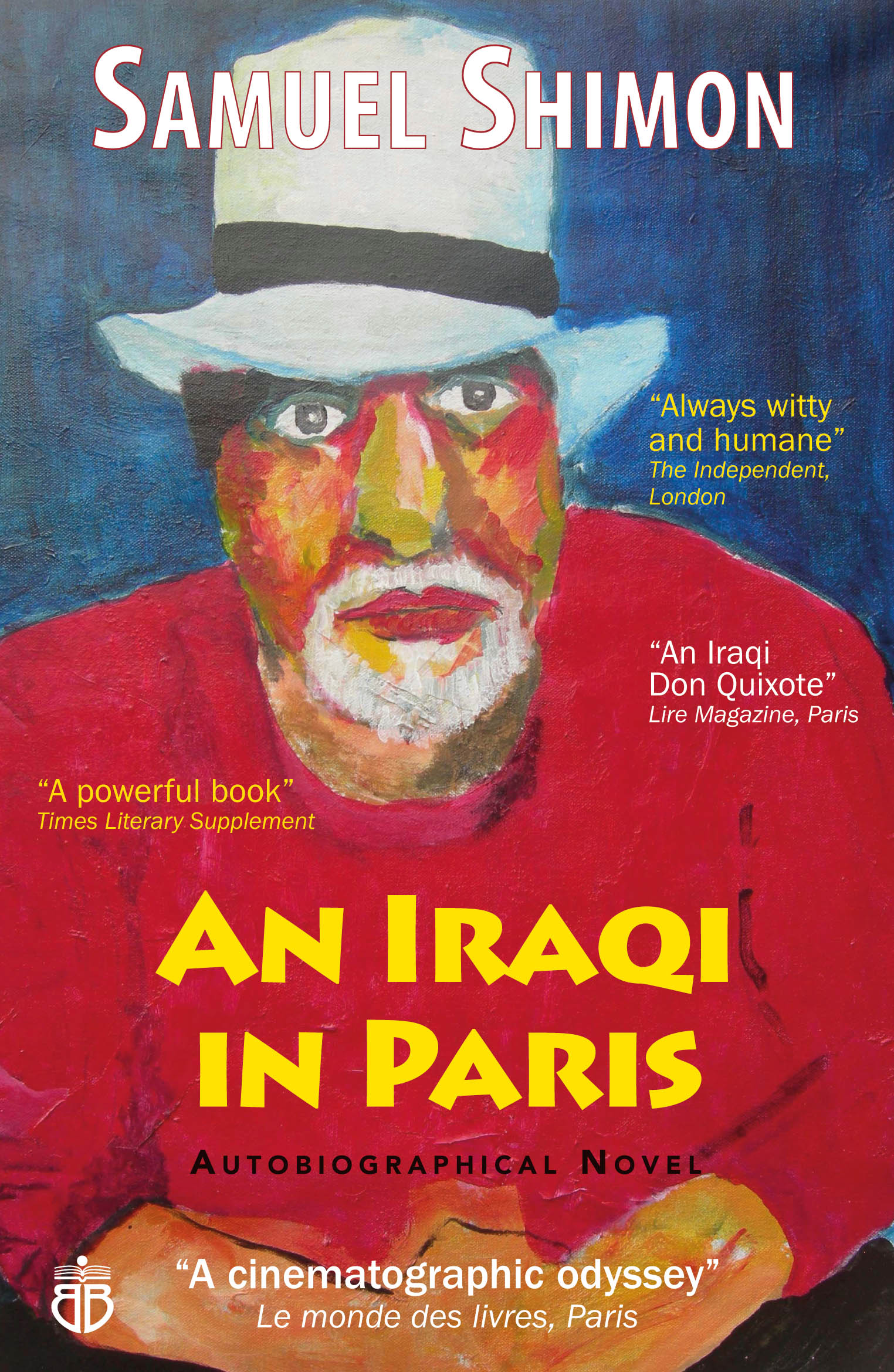

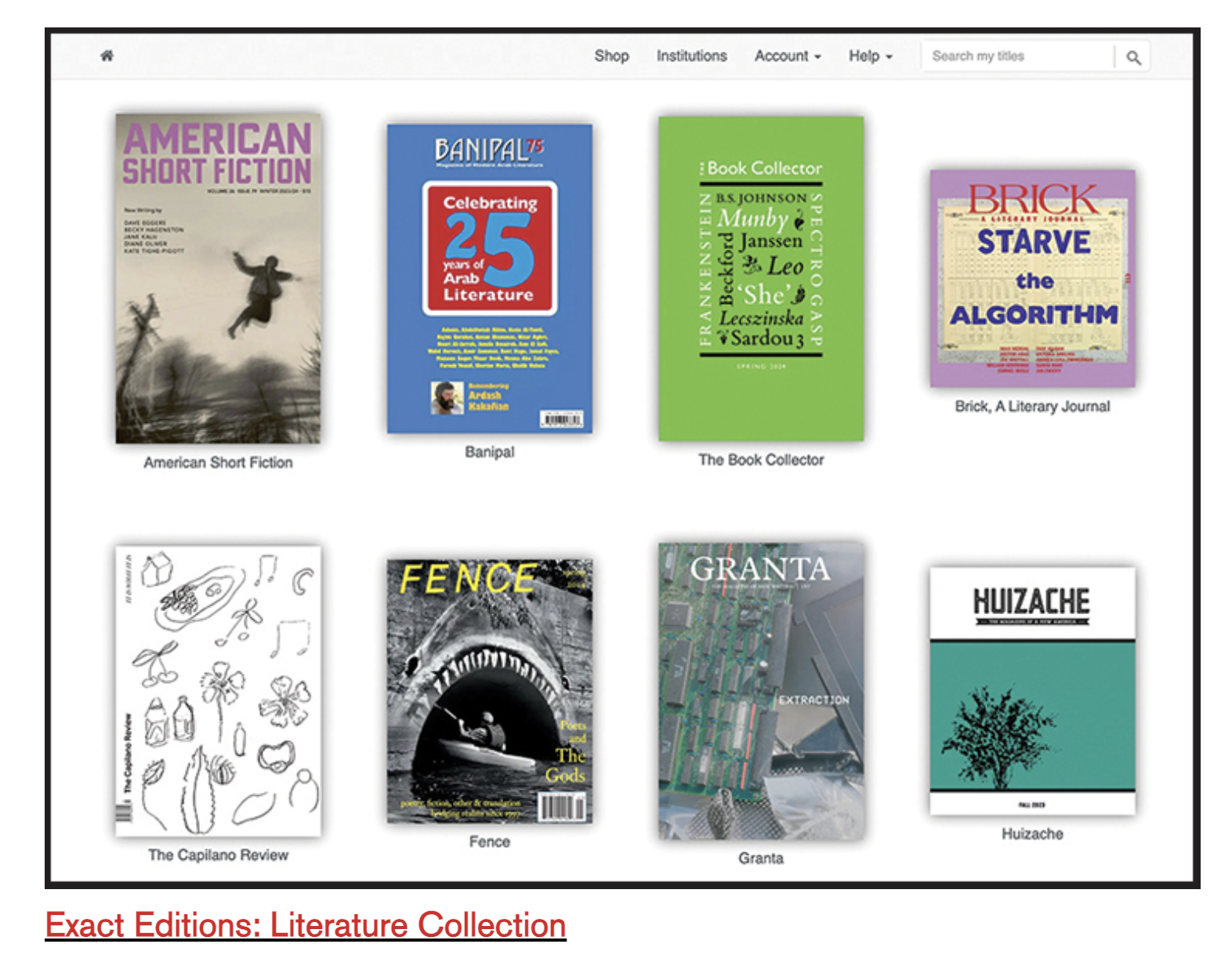
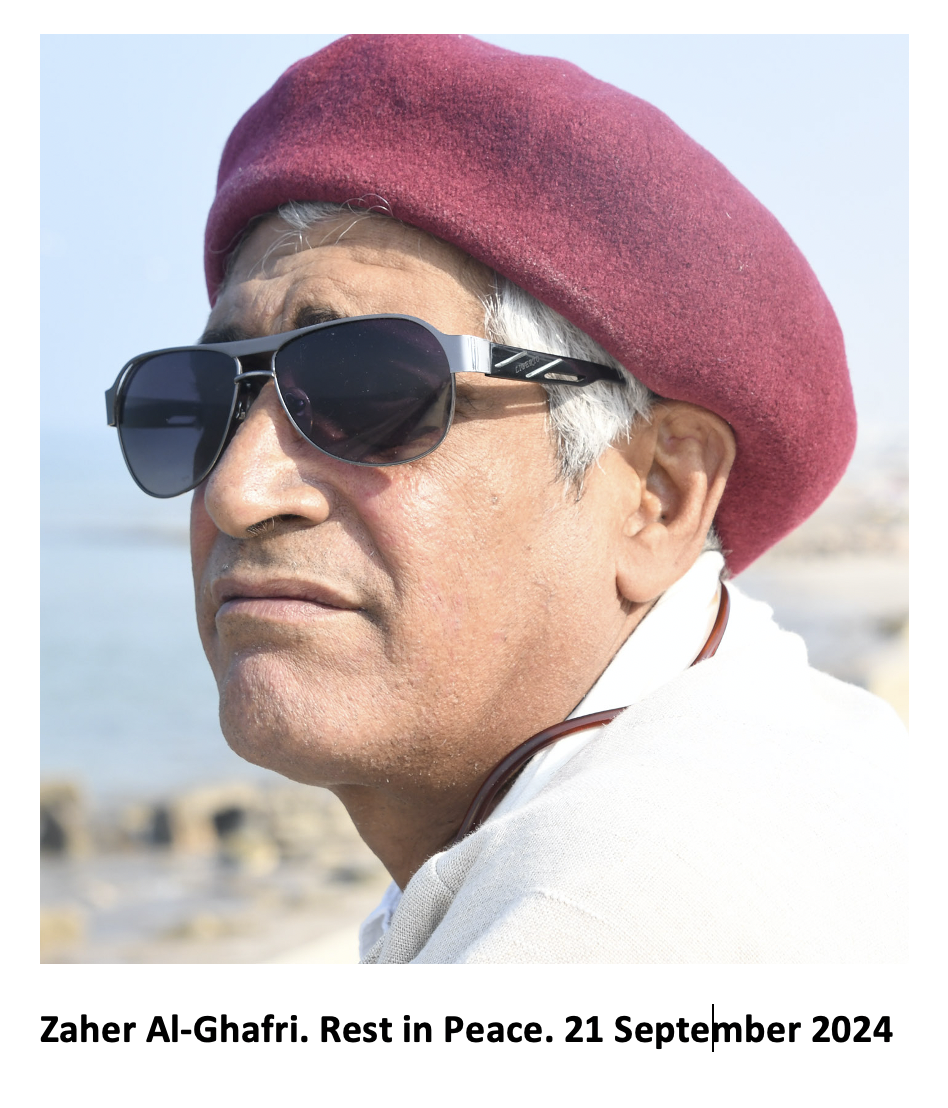
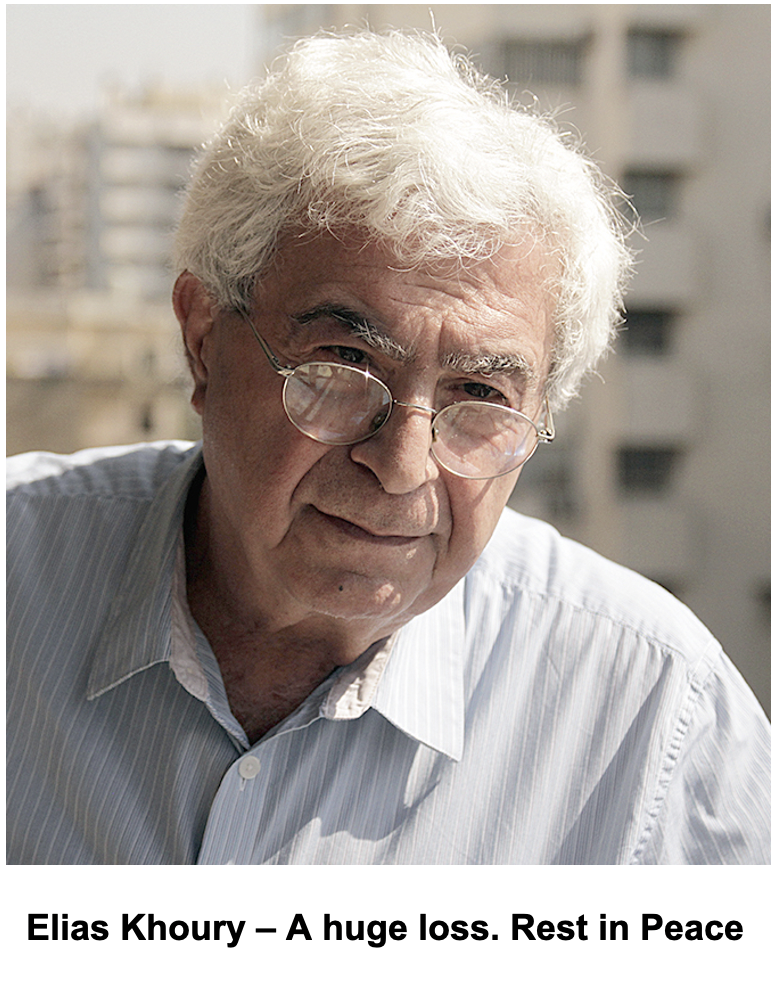
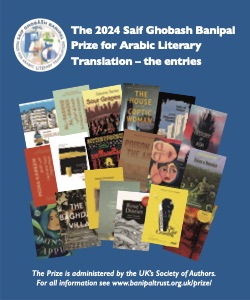
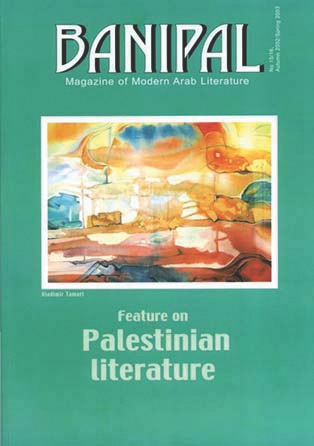
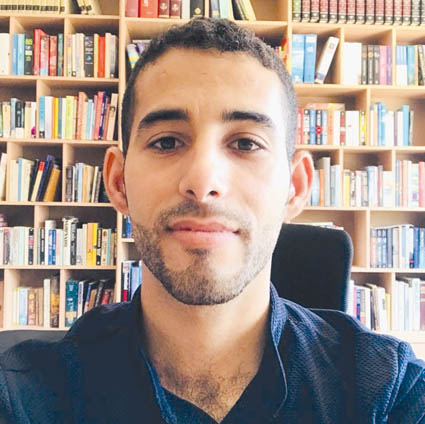
Link to poems by Mosab Abu Toha, published in Banipal 71 (Summer 2021), available to read online
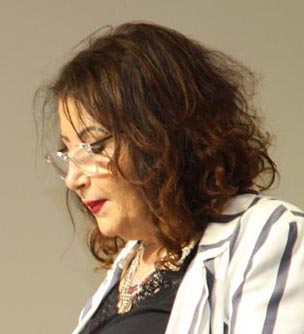
Link to poem by Liana Badr published in Banipal 74, now available as an online selection














* * *
 GRIFFIN PRIZE SHORTLIST 2023
 Banipal's first audiobook