Receive Our Newsletter
For news of readings, events and new titles.

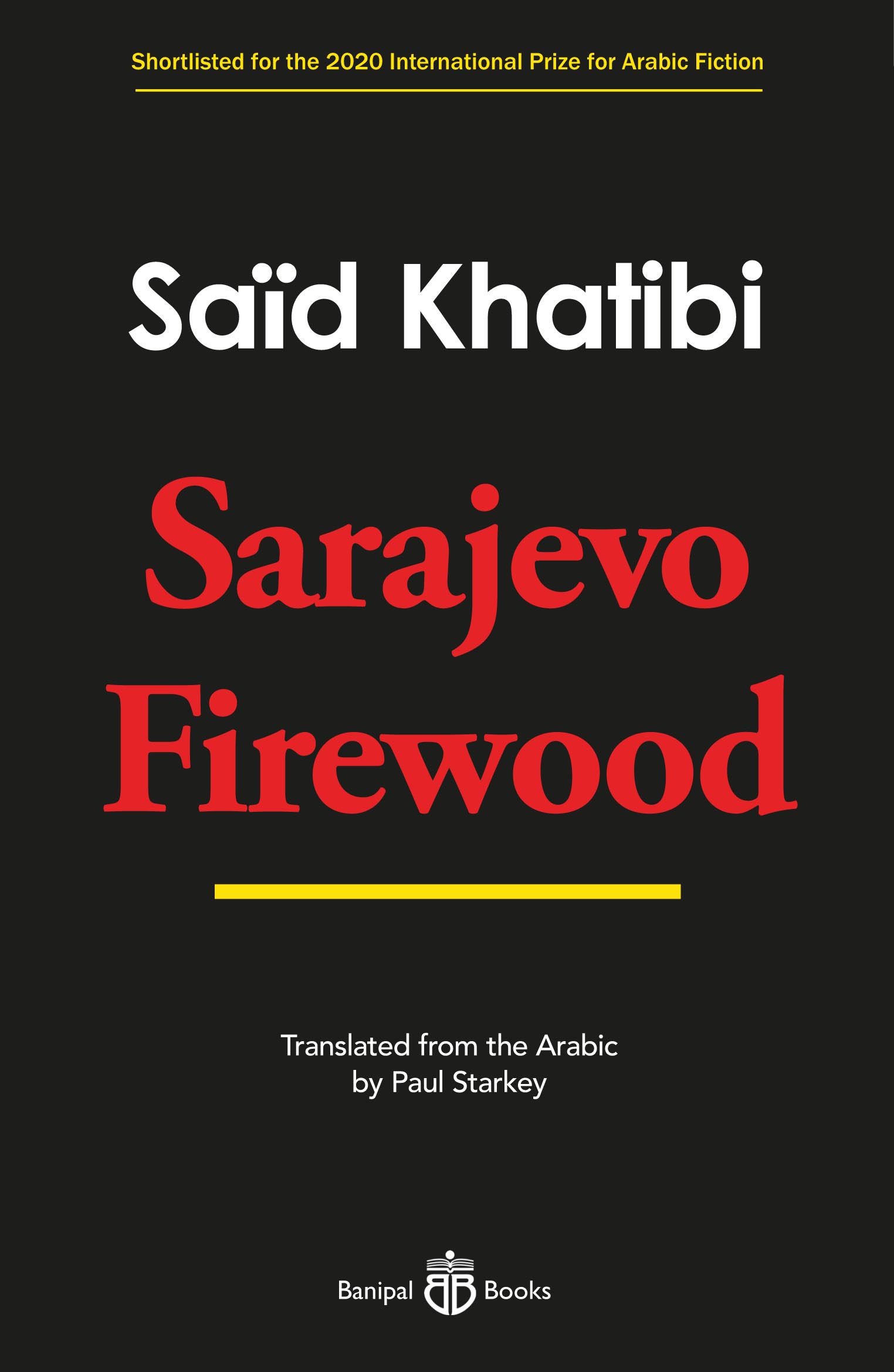 Hannah Somerville reviews
Banipal Books, London, September 2021
ISBN: 978-1-913043-23-0. Pbk, 320pp, £11.99 / USD19.95.
EBook 978-1-913043-24-7 £6.99
This excellent third novel by Algerian writer and journalist Saïd Khatibi is a masterful rumination on war and genocide, place-memory, independent inquiry and self-actualization. More than that, it’s completely unique. First published in Arabic in 2018 and newly translated by Paul Starkey, the intricate plot of Sarajevo Firewood, which was shortlisted for the 2020 International Prize for Arabic Fiction, charts the respective, ultimately intertwined trajectories of Salim, a harassed former reporter from Algiers, and Ivana, a waitress and aspiring playwright from a broken home in Sarajevo. Both are compelled to leave their civil war-ravaged countries of birth for Ljubljana, Slovenia. In the frigid non-embrace of this third city, both are shellshocked to learn the truth about their family origins and crimes committed by those closest to them, under cover of armed conflict. With refreshing honesty and peculiar grace, the book invites us to consider the true meaning of fealty – and freedom – for those whose fates appear circumscribed by those that came before them.
In his Ibn Battuta Award-winning account of travel in the Balkans, The Inflamed Gardens of the East (2015), an excerpt of which was published by Banipal in autumn 2019, Khatibi recounted his first visit to Sarajevo: a city where football matches are screened beside mass graveyards, still sunk in poverty and the nightmare of its recent past behind the glossy, tourist-friendly façade. The Bosnian War and ensuing ethnic cleansing of 1992-95 saw 100,000 people killed, 80,000 of them Bosniaks; fatalities in the conflict between the Algerian government and Islamist insurgents from 1991 to 2002 were of a similar magnitude. “Today I feel that I left a part of my heart in Sarajevo,” Khatibi writes. “A city which resembles me as I resemble it, to a point almost of identity: lazy like me, elegant, poor and proud of itself.”
This tribute to a trauma-twinned city emerged fully formed three years later in the character of Ivana. Downtrodden and mortally dissatisfied, this young woman’s myriad internal complexes are presented as the outcomes of her parents’ violent marriage, child abuse by a now-dead father accused of collaborating with the Chetniks, having a sister who lost her mind overnight, and walking day after day through still-tense city streets built over the corpses of the dead.
In Ivana’s plaintive first-person narrations, the city is also obliquely encountered: like Sarajevo, her mother, mired in depression and languor, can offer neither the answers nor the emotional nourishment she seeks. Likewise Khatibi does a brilliant job of presenting a nuanced approach to trauma, both individual and collective: when describing instances of male brutality or cold, transactional sex, Khatibi has this normally loquacious, quick-to-anger protagonist subtly disengage. The language becomes more detached, cursory and to the point. Rather than cruelty and injustice being repressed or revolted against, there is a great sense of both being lived with pragmatically: “If I had been imprisoned in Sarajevo,” Ivana reflects, “I would not have been afraid, for our freedom there is a vast prison, where we play tricks with our vocabulary in order not to call it by its real name.”
More than 900 miles away in the Algerian capital, we are introduced to Salim: a newly out-of-work journalist, born in Bou Saada as a child of the now-supine War of Independence generation. Salim’s daily errands are punctuated by beige meals eaten on the hoof, the eternal pursuit of forged visas and documentation, and the fleeting but always horrific spectre of Islamist atrocities. Every element of lived existence in Algiers is presented as fragile, transient, and perpetually under siege: from a young graduate smashed to smithereens in a traffic accident to Salim’s strained relationship with an older teacher, Malika, which appears strangulated by the welter of things unsaid.
Khatibi has not lived in Algeria for 10 years. But his recollections of day-to-day turmoil in his country of birth emerge clear as a bell, and always in fresh, creative forms. So too the state of mind: “We sat in the kitchen,” Salim reports at one stage, “and she gave me a cup of coffee with the strongly flavoured thyme that grows on Djebel Kerdada, which overlooks the town like a customs officer lying in wait for secrets, and teems with poisonous snakes and scorpions”. Bou Saada, through how its people cross the road, is “like a man who had been emasculated”.
In turn, Khatibi illustrates Ljubljana through the eyes of the two new arrivals. Installed with his uncle Si Ahmad, who owns a café in the “city of bridges and pretty women”, Salim’s early observations on the behaviour of the Slovenes are thrilling; later, though, he notes that the residents of that city, “wrapped in its silk blanket of security”, would be unable to comprehend “the monsters that had sprung up in the East and ripped apart the wombs of Sarajevo”. Ivana is disillusioned from the start, encountering the city chiefly through its vicious and lascivious men while trying to hold down a new job, coincidentally at Si Ahmad’s cafe. She takes refuge in the theatre, and in writing a play modelled on the 1959 French romantic drama Hiroshima Mon Amour: a vocation that crystallizes after the pair finally meet. “In the theatre,” Ivana writes, “I can manoeuvre destiny, speak harshly to it, knead it and conquer it. On the stage, I grow muscles, my face wears a smile.”
After a chain of shocking events in Slovenia wrenches the pair apart, their true, shared purpose becomes clear: a type of resurrection. Horrified into near-stasis by a murder in Ljubljana and revelations about his family’s past, Salim finally embarks on a fact-finding journey on Ivana’s advice: “Look for the whole truth and do not be satisfied with the testimony of one person.” As the details unfurl, Ivana immortalises their stories onstage: discovering along the way, with almost painful poignancy, that there exist after all individuals willing to help her succeed in good faith. By interrogating the untold secrets of the “wars that had no name”, each finds a way to resolve, or at least render bearable, their own internal war.
With Sarajevo Firewood, Khatibi offers a singular tale of survival and self-realization. It’s also a tale of two cities, worlds apart but bonded by appalling violence and individual forbearance. In his interview for IPAF last April, Khatibi noted “a deeply entrenched literary tradition which seems to be dying out in modern times: that the majority of writers were once journalists.” Sarajevo Firewood is a case study in how one craft can inform the other for the better: Khatibi writes fiction with the empathy and attention to detail of a seasoned reporter, but also with a constant half-an-eye on ensuring the reader comprehends the subjects at hand. Translated beautifully by Paul Starkey, the prose is spare, uncomplicated and precise, with not a word wasted. But the observations that spill from each page are brand new, and perfectly crafted to be enlightening beyond their base content. This is a compelling and edifying read, worthy of every praise.
Click to get a copy direct from Banipal Books
Reviewed in Banipal 72 – Iraqi Jewish Writers, Autumn/Winter 2021
For news of readings, events and new titles.
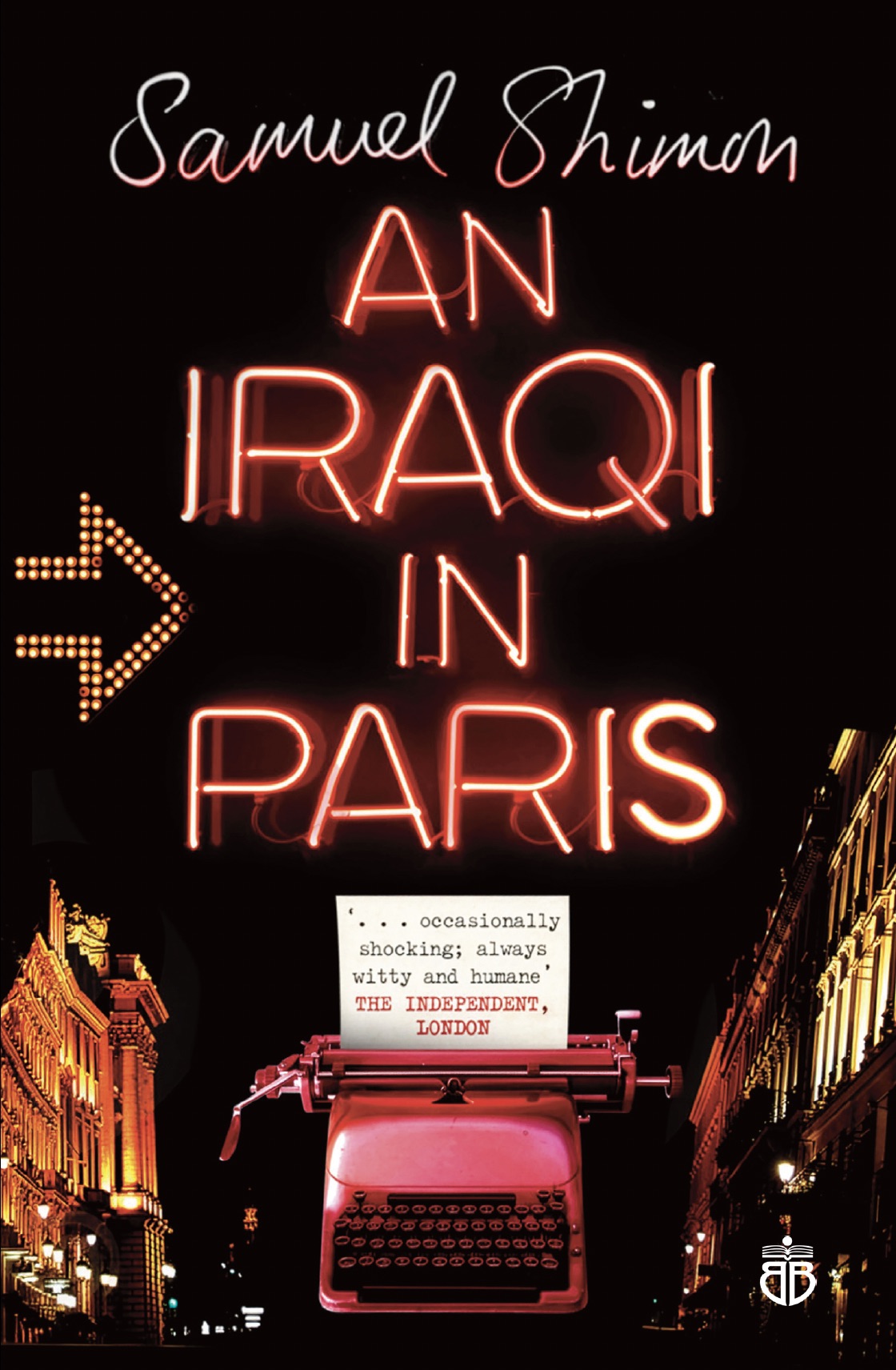
An Iraqi in Paris by Samuel Shimon
The Cinderellas of Muscat by Huda Hamed (Banipal Books, 2025)
The Tent Generations
Things I Left Behind by Shada Mustafa, translated by Nancy Roberts
Shadow of the Sun by Taleb Alrefai
Birds of Nabaa, A Mauritanian Tale by Abdallah Uld Mohamadi Bah
The Stone Serpent, Barates of Palmyra’s Elegy for Regina his Beloved by Nouri Al-Jarrah
Mansi A Rare Man in His Own Way by Tayeb Saleh (Banipal Books, 2020)
Tayeb Salih
Goat Mountain by Habib Selmi
Habib Selmi, author of Goat Mountain and 3 times shortlisted for the IPAF
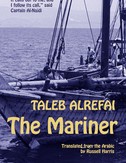
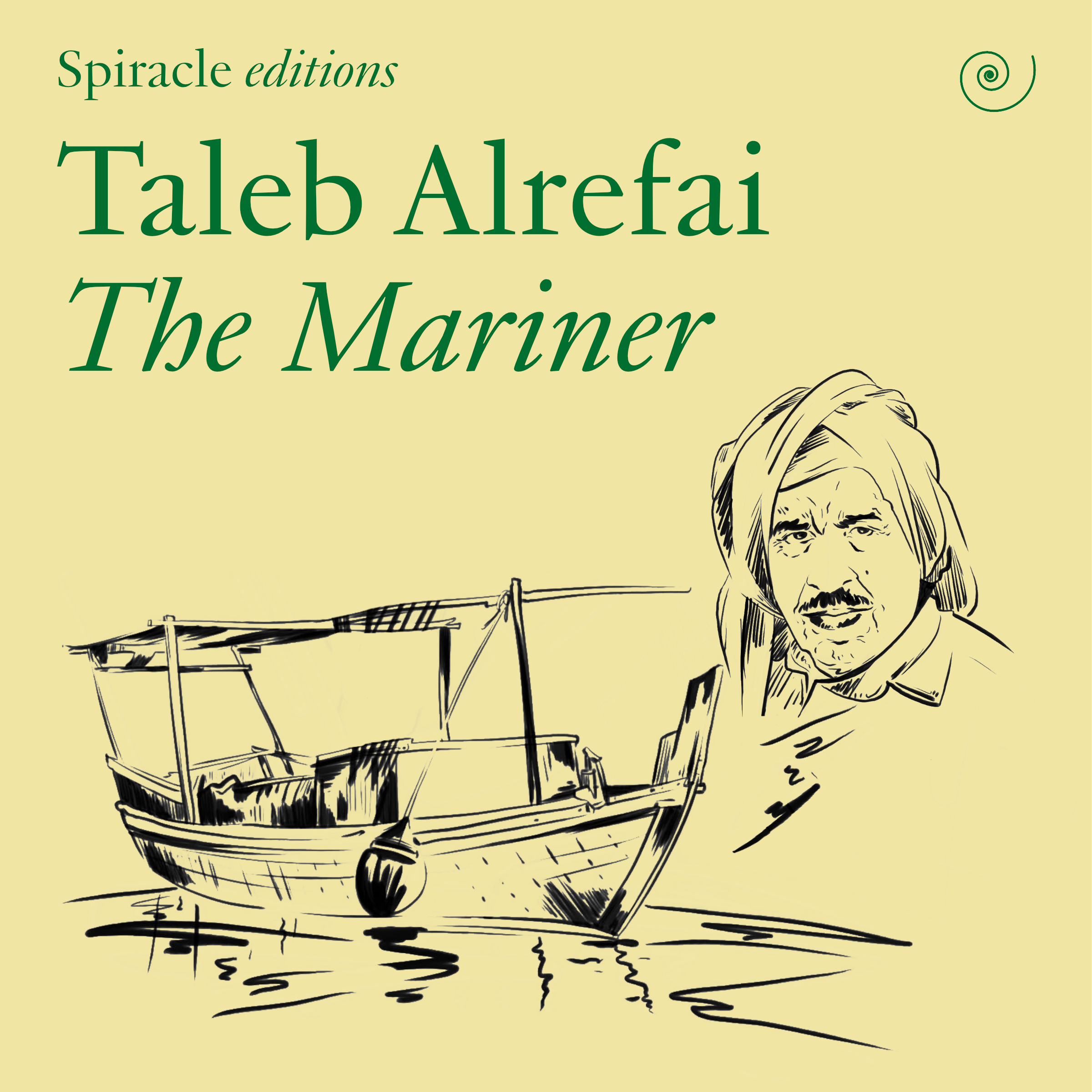
The Mariner by Taleb Alrefai (Banipal Books, 2020)

Taleb Alrefai, author of Shadow of the Sun and The Mariner

Fadhil Al-Azzawi's Beautiful Creatures by Fadhil al-Azzawi (Banipal Books, 2021)
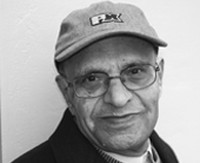
Fadhil al-Azzawi
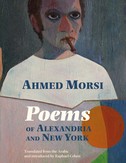
Poems of Alexandria and New York by Ahmed Morsi (Banipal Books, 2021)

Saïd Khatibi
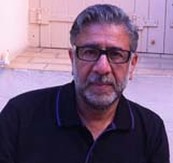
Amjad Nasser (1955–2019)

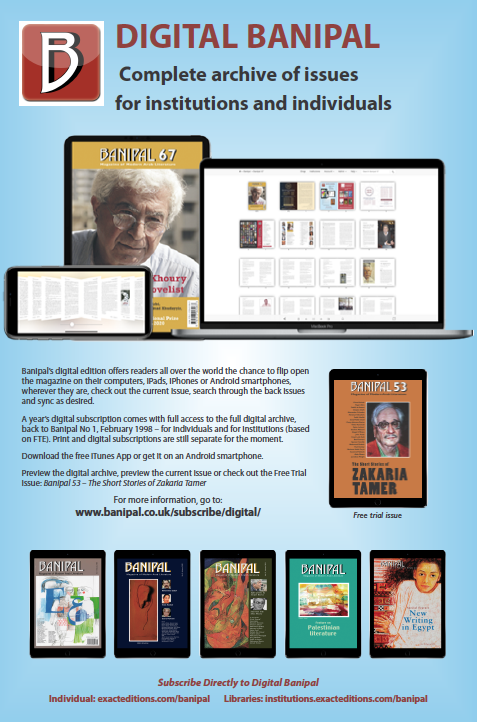
Digital Banipal the full archive
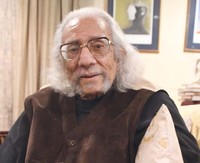
Ahmed Morsi, author of Poems of Alexandria and New York
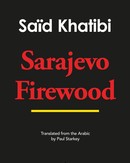
Sarajevo Firewood
The Madness of Despair


.png)
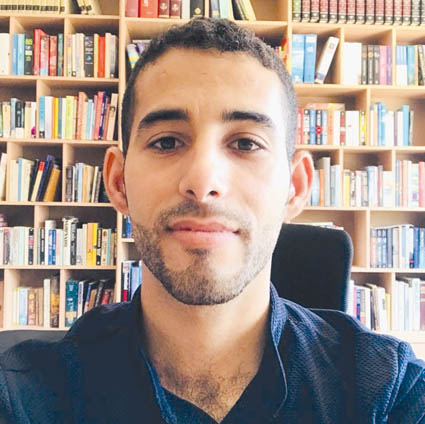
Link to poems by Mosab Abu Toha, published in Banipal 71 (Summer 2021), available to read online
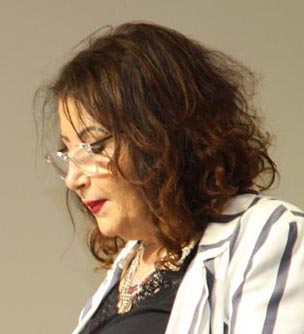
Link to poem by Liana Badr published in Banipal 74, now available as an online selection














* * *




 Reprint out now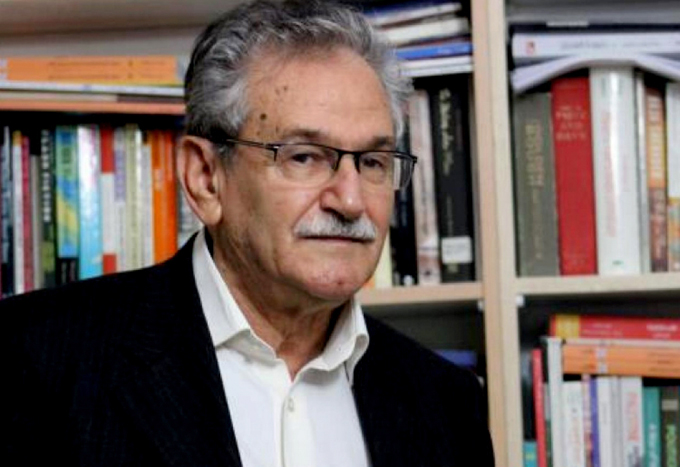
 GRIFFIN PRIZE SHORTLIST 2023
 Banipal's first audiobook