Receive Our Newsletter
For news of readings, events and new titles.

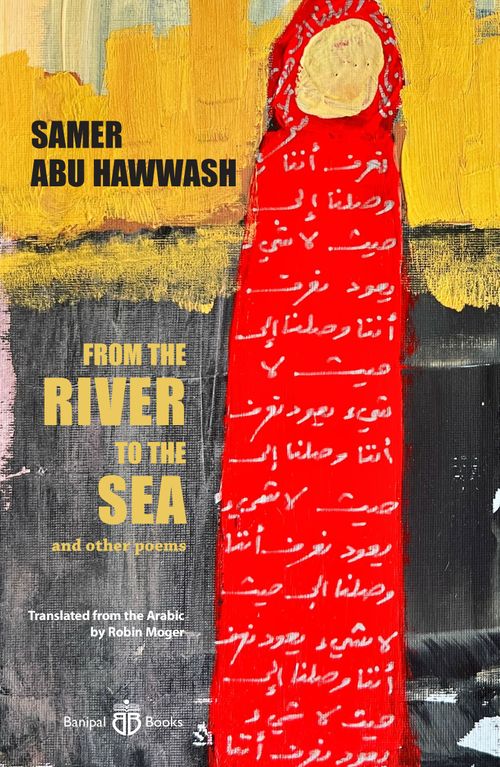
An engaged witness to the Gaza genocide, screened live across the world

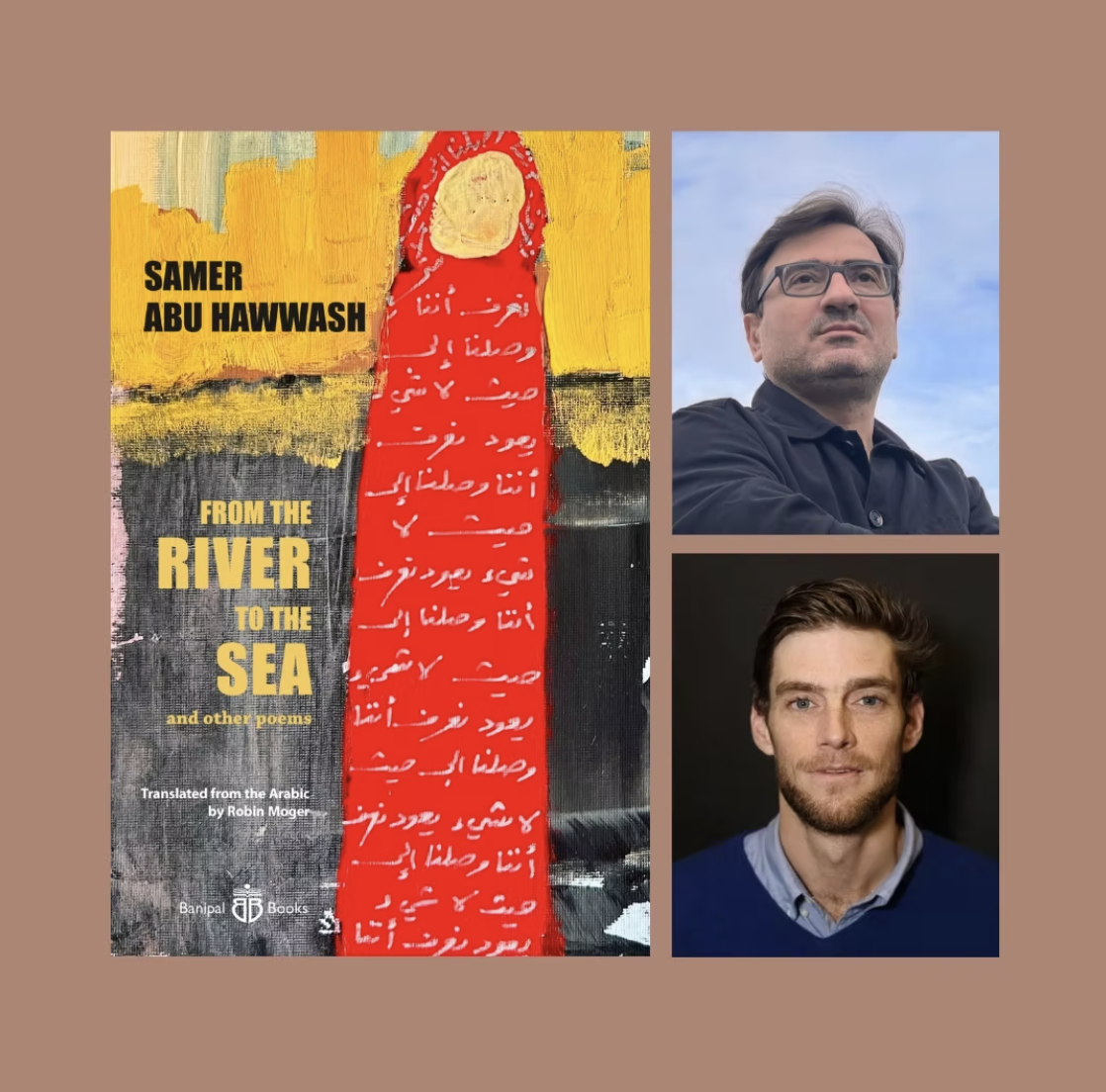
ON SALE NOW
Paperback • Pub date: 21 July 2025 • 96pp • £10.99
Original language Arabic
Front cover and inside paintings by Raed Wahesh
ORDER A COPY DIRECT VIA PAYPAL
eBook ISBN 9781913043513 • eBook price £6.99
* * *
• Poems of witness that link with Palestine’s long years of existential trauma and severed identity
• A poetry collection that “sees” anew the unspeakable horrors of the Gaza genocide
• A lexicon of graphic poetic sensibility in the midst of a war of extermination
THE BOOK
This new collection by Palestinian poet Samer Abu Hawwash was published in its original Arabic in the summer of 2024. The 24 poems are an intrepid literary journey into the genocide in Gaza, linking with Palestine’s long years of existential trauma, and documenting the universal human questions that so many are asking in today’s world. Living, since he was born, in a diaspora crowded with fellow Palestinians, the poet shares with readers the depths of his turmoil and anguish, searing their attention to human pain from the first poem, “The Ruins”, with the image of a girl’s hand jutting up from cracks in the rubble, to the last, “The Scream” – the roaring voice of dust consuming all. In the poem, “Sitting in front of a TV screen, I watch the genocide”, the words he wants to say are torn from him, “language has become a torment” and he cannot say what he wants to say; senses are upturned, stupified, suspended, muffled, in a maze.
How to possibly describe the deadly scenes, surreal visions, the revelations, nightmares, sounds, one after the other, except by reliving them? And thus the poet brings to his poems what one critic has called a “dictionary of war”, a lexicon that expresses a graphic poetic sensibility set in the midst of a war that is exterminating a people. Alongside the lexicon, a way of “seeing” anew the unspeakable horrors through the gazes, the glances, the closed, open, dead eyes of famished families, of fragmented little corpses, children whose gazes are frozen, stunned, dead, scornful, fixed, dazed.
Robin Moger’s perceptive and passionate translation is profoundly sensitive to the “stuttering shock” of these poems that “explore the edge of what can be made out of poetry, that force us to confront the potential for loss and grief to be endless and unjustifiable”. This is a poetry collection so necessary for humanity today.
THE AUTHOR
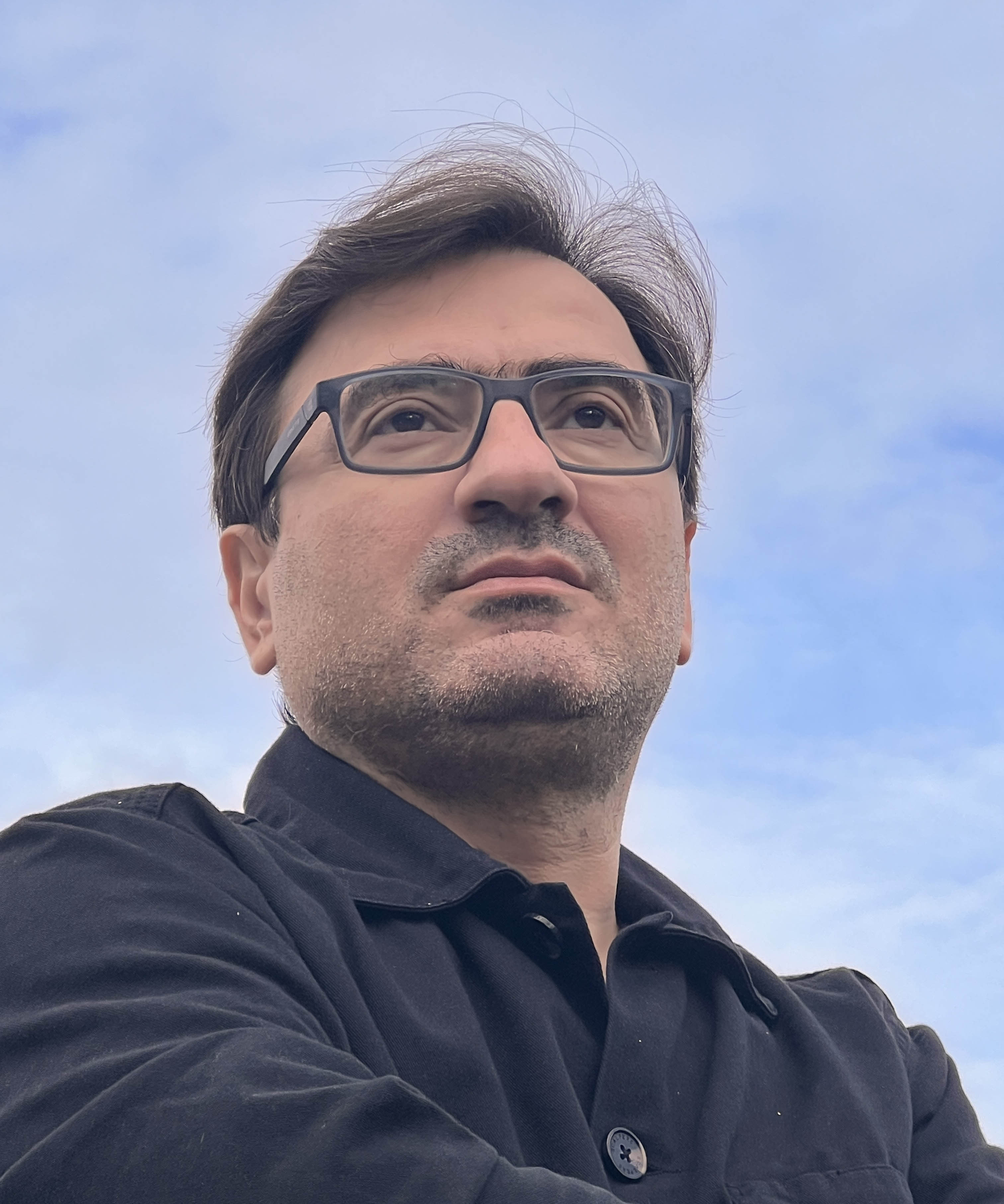
Samer Abu Hawwash is a Palestinian poet, writer and translator, born in Sidon, Lebanon, in 1972. He started publishing his works in Lebanese magazines and newspapers in 1991, and in 1996 graduated in Journalism and Communication from the Lebanese University. His first poetry collection, Life is Printed in New York, was published in 1997 and his most recent, From the River to the Sea, in 2024. His nine other poetry collections include This Is Not How Pizza Is Made, I Will Kill You Death, Last Selfie with a Dying World and Ruins. He also has three fiction works, The Journal of Photographed Niceties, Valentine’s Day and Happiness or a Series of Explosions that Shook the Capital.
From 2004 he lived and worked in the United Arab Emirates, translating and editing American poetry and English-language fiction, and currently resides in Barcelona, Spain. He started a project translating American poetry in 1995 and has translated into Arabic works more than twenty American poets, including Charles Bukowski, Langston Hughes, Kim Addonizio, Robert Bly, Billy Collins and Charles Simic. He has also translated over forty prose works by major internationally renowned writers, including Jack Kerouac’s On the Road, Yann Martel’s Life of Pi, and The Invention of Solitude, Travels in the Scriptorium and Sunset Park by Paul Auster.
In 2009, he was one of 39 Arab authors chosen for the Beirut39 project, which took place in 2009-2010 when Beirut was the Arab World Book Capital. In 2024, he was awarded the Sargon Boulus Prize for poetry and translation.
THE TRANSLATOR
Robin Moger is a translator of contemporary Arabic prose and poetry, living in L’Hospitalet de Llobregat in Catalunya, and twice winner of the Saif Ghobash Banipal Prize for Arabic. Literary Translation. His recent translations include A Horse At The Door (Tenement Press), a collection of poems by Wadih Saadeh, Traces of Enayat by Iman Mersal (And Other Stories), winner of the 2024 James Tait Black Prize for Biography, Slipping by Mohammed Kheir (Two Lines Press), which won the 2022 Saif Ghobash Banipal Prize, Haytham El Wardany’s The Book of Sleep (Seagull), Agitated Air: Poems after Ibn Arabi in collaboration with Yasmine Seale (Tenement Press), and The Book of Safety by Yasser Abdel Hafez, which won the 2017 Saif Ghobash Banipal Prize.
THE PAINTER
The front cover and inside paintings in From the River to the Sea are by Raed Wahesh, a Palestinian poet, artist and journalist born in Damascus, Syria, in 1981, and living in Hamburg, Germany, since 2013. He has published five volumes of poetry.
WHAT THEY SAY
• Joselyn Michelle Almeida, poet and translator: In From the River to the Sea Samer Abu Hawwash evokes T.S. Eliot’s The Waste Land in this elegiac collection that grapples with the crushing agony of personal and collective loss under the violence of bombardment and the deliberate starvation imposed on an entire people, ignored by the international community.
• Samir Kasimi, Algerian novelist and critic: Palestinian Samer Abu Hawwash’s poetry collection From the River to the Sea embodies a literary experience that transcends the limits of words, becoming an existential testament to the tragedy of the Palestinian people and humanity's bewilderment in the face of devastation and alienation.
• Robin Moger, translator of this poetry collection: "O you who comes from far away,” is the line with which Samer Abu Hawwash opens his collection of witness and impotence. “Pause a moment” is the injunction with which this opening stanza concludes, a gentle enough plea for reflection, perhaps, but it is here, in this “moment”, that we will be held for the remainder of this collection, paralysed beneath a deluge of sense impressions and imagery, memories and reflections. The exterminationist violence that triggers the poet’s response is inescapable and irreconcilable; even within the hymn that is From The River To Sea, the book’s eponymous poem, the beautiful litany of details that weaves a tapestry of Palestinian society – of the life that is turned death everywhere else – is left hanging, a loose thread that threatens to unravel again as soon as the recitation falls silent.
There is little comfort here, the lyric offers no respite, however brief, from the poems’ own stuttering shock. “This is how I see them, and I see it all completely clear, dazzling bright:” opens The Massacre. What does he see? “I see a foot where a hand should be, and a fist reaching from the mouth . . .” These are poems that explore the edge of what can be made out of poetry, that force us to confront the potential for loss and grief to be endless and unjustifiable. They are “light, or / maybe light, / before a night / to which we have no answer.”
For news of readings, events and new titles.
The Cinderellas of Muscat by Huda Hamed (Banipal Books, 2025)
The Tent Generations
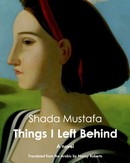
Things I Left Behind by Shada Mustafa, translated by Nancy Roberts
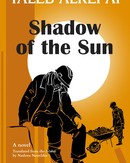
Shadow of the Sun by Taleb Alrefai
Birds of Nabaa, A Mauritanian Tale by Abdallah Uld Mohamadi Bah
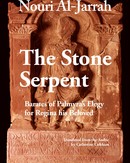
The Stone Serpent, Barates of Palmyra’s Elegy for Regina his Beloved by Nouri Al-Jarrah
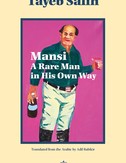
Mansi A Rare Man in His Own Way by Tayeb Saleh (Banipal Books, 2020)
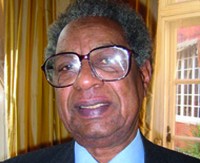
Tayeb Salih
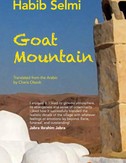
Goat Mountain by Habib Selmi
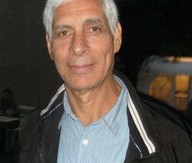
Habib Selmi, author of Goat Mountain and 3 times shortlisted for the IPAF
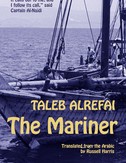
The Mariner by Taleb Alrefai (Banipal Books, 2020)
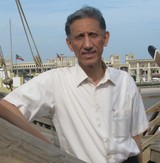
Taleb Alrefai, author of Shadow of the Sun and The Mariner
Fadhil Al-Azzawi's Beautiful Creatures by Fadhil al-Azzawi (Banipal Books, 2021)
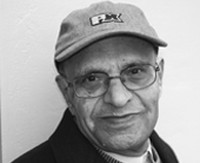
Fadhil al-Azzawi
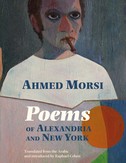
Poems of Alexandria and New York by Ahmed Morsi (Banipal Books, 2021)

Saïd Khatibi
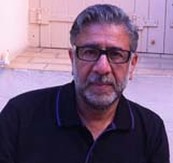
Amjad Nasser (1955–2019)
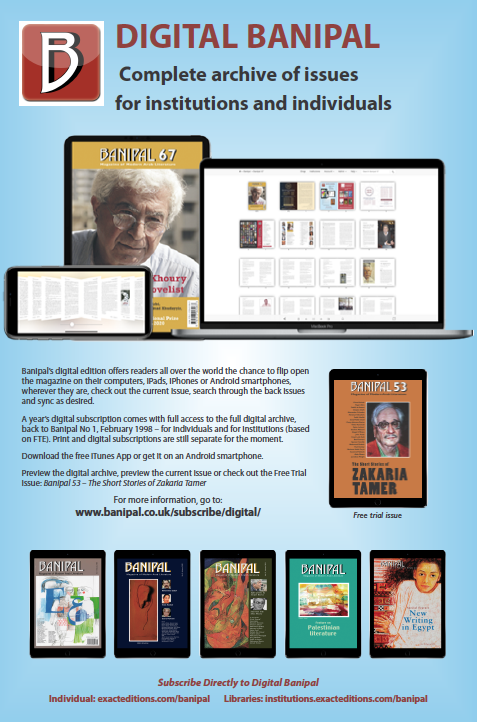
Digital Banipal the full archive
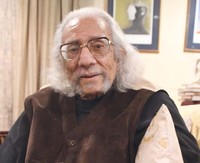
Ahmed Morsi, author of Poems of Alexandria and New York
Sarajevo Firewood
The Madness of Despair

.png)

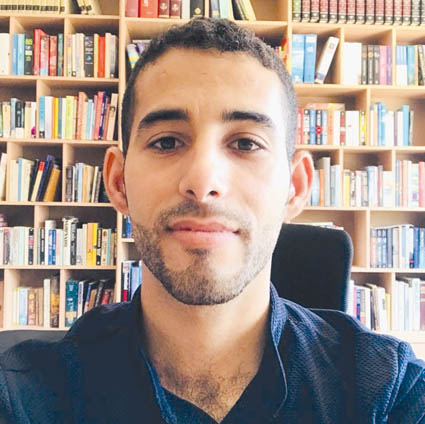
Link to poems by Mosab Abu Toha, published in Banipal 71 (Summer 2021), available to read online
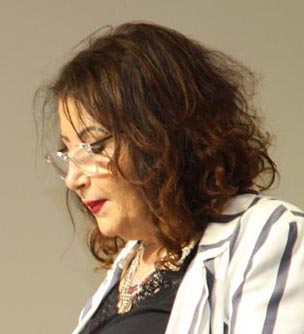
Link to poem by Liana Badr published in Banipal 74, now available as an online selection











* * *
 Reprint out now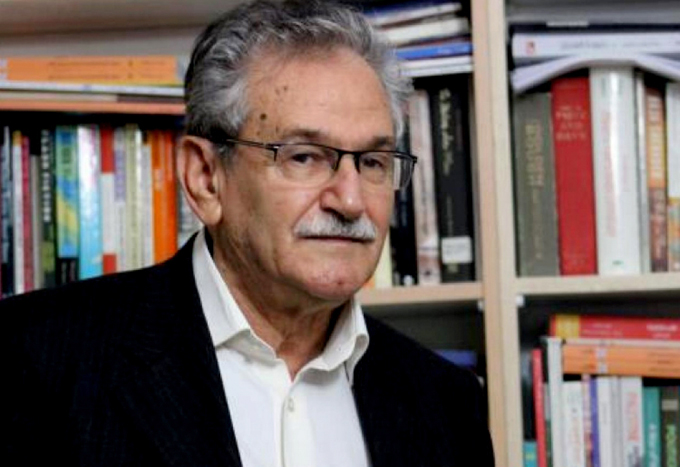
 GRIFFIN PRIZE SHORTLIST 2023
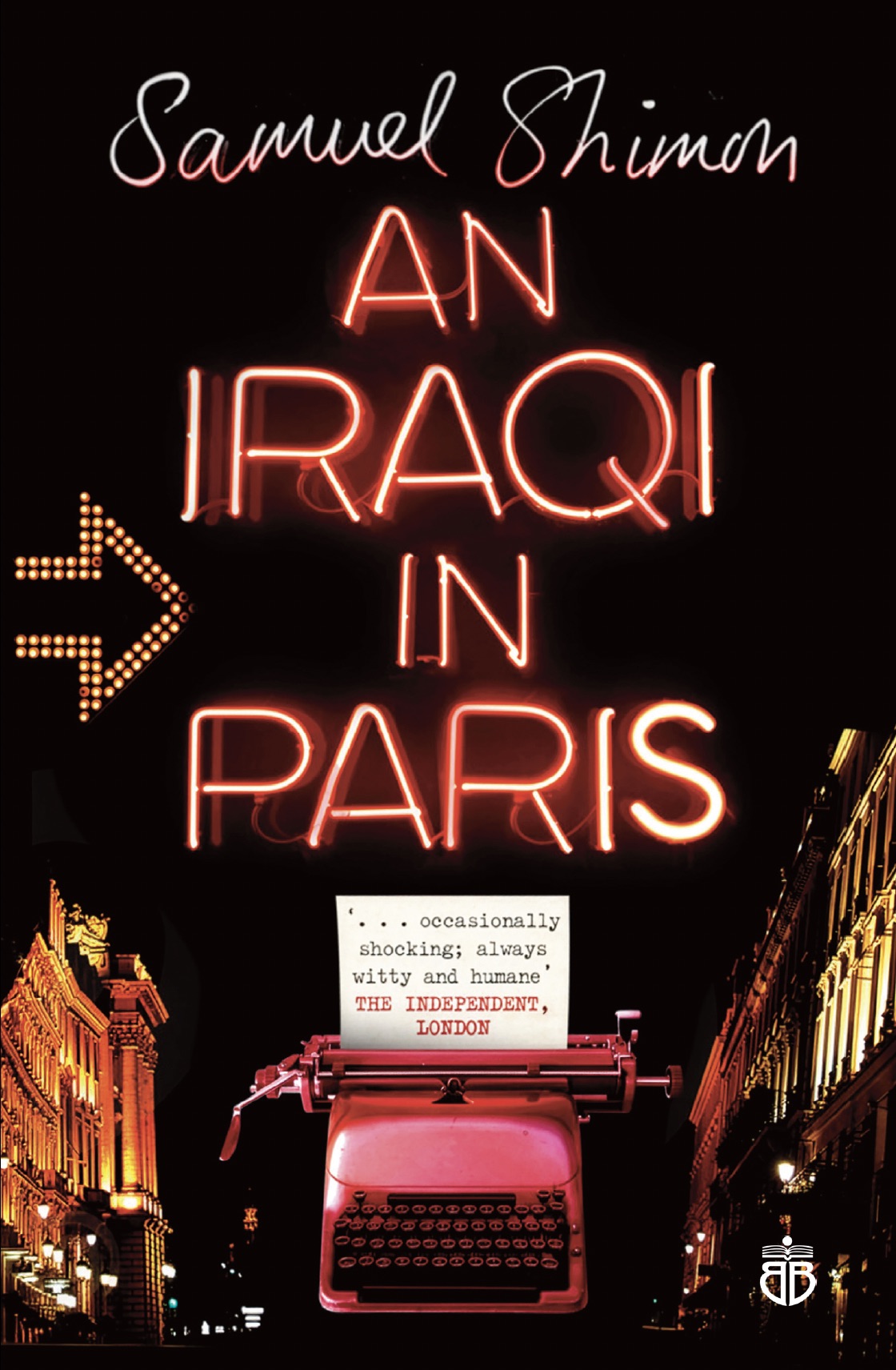
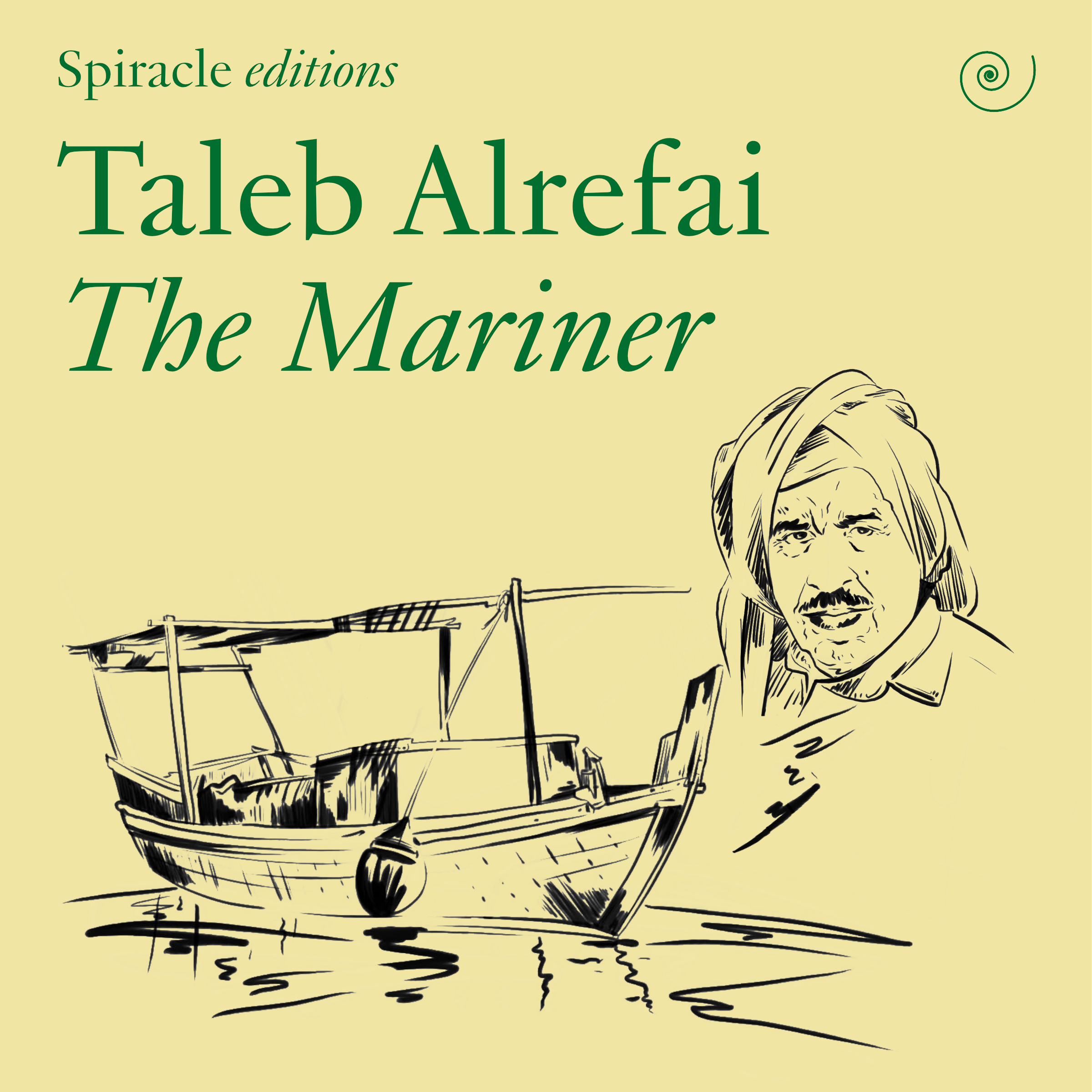 Banipal's first audiobook