Receive Our Newsletter
For news of readings, events and new titles.


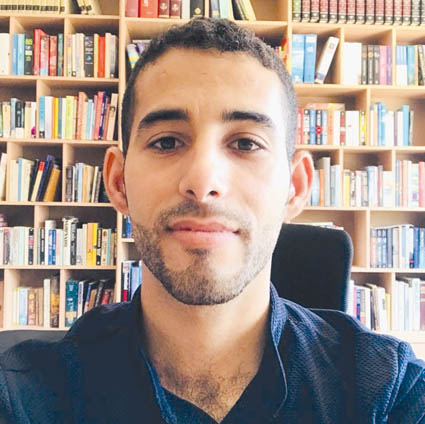
by Almog Behar
The poets Rabbi Suleiman Mani and Rabbi Abraham Baruch Mani, known as “The Mani Brothers", were the sons of Rabbi Eliyahu Mani, who was born in Iraq in 1818 and studied under the Iraqi Jews’ then-Chief Rabbi, the great Torah scholar ‘Hakham’ Abdallah Somekh. In 1857, the Mani family emigrated from Iraq to Ottoman-ruled Palestine; they initially lived in Jerusalem before eventually settling in Hebron, where from 1865 onwards, Rabbi Eliyahu Mani took over as Chief Rabbi (aka ‘Hakham Bashi’) until his passing in 1899, authoring and publishing two elegies in his lifetime. His sons, Suleiman and Abraham, went on to become significant poets in their own right.
The elder of the two, Rabbi Suleiman Menachem Mani, was born in Baghdad in 1850 and spent most of his life living in Hebron. From 1904 and until his death, Rabbi Suleiman Mani was Chief Rabbi to Hebron’s Jewish congregation. He travelled extensively until his death in 1924, visiting Syria, Egypt, India, Tunisia, and Algiers. In his lifetime, only five of his original poems saw the light of day, in addition to a handful of newspaper entries, and a short story titled “Valley of the Daemons.” After his death, an additional 90 poems he had authored were published posthumously.
Rabbi Suleiman Mani’s younger brother, Rabbi Abraham Baruch Mani, was born in Baghdad in 1854 and also lived in Hebron for most of his life, which was tragically cut short by a critical illness. He passed away in 1882 at the age of 28. In his lifetime, he only got to publish three original poems, however; after his death, a further 40 poems were unearthed and published. The two siblings’ diverse body of work substantiates their multifaceted ties to Hebrew poetry traditions, both in the Levant and in Europe.
Rabbi Abraham Baruch Mani, the younger sibling, had both religious and secular education and as such, was well-versed in Sephardi, Iraqi, and Levantine Jews’ sacred and secular traditions, in addition to having robust knowledge of Italy’s Hebrew poetry, and poems by Jewish Enlightenment figures (‘maskilim’). Not one of his poems follows Sephardi secular poetry structure, whether in metre or monorhyme; however, he did write three poems in the Italian sonnet form. When his brother, Rabbi Suleiman Mani, was incarcerated in Damascus between 1880 and 1883, for reasons unknown, he penned the following poem to him, with an accompanying note that read: “9 Nissan 5641 [8 April 1881] in Damascus when my brother was in gaol”:
Arise, imprisoned one
And hear the sparrow’s song of freedom.
He bringeth a leaf of hope in his mouth
Perched on a door and a hinge.
Awaken thee from thine sombre slumber,
Souring even the sweetest scent,
And put thine trust in the Lord.
And He shall deliver thee an angel
and messenger.
Your imprisonment will be unburdened,
And like me, you too shall be a sparrow freed,
Mended and healed
With all pain and anguish
Absent from thy being.
In the poem, the poet addresses his brother and asks him to wake up and to hear the song of the sparrow (whose Hebrew name, ‘Dror’, also denotes freedom), which is already nearby and, like the dove in the Book of Genesis, is carrying a leaf in its mouth – a symbol of the end of the flood / one’s incarceration (“and the dove came in to him in the evening; and, lo, in her mouth was an olive leaf plucked off,” Genesis 8:11). In this line, the poet may well also be echoing Abu Firas al-Hamdani’s (932-968) classic qasida, written during his imprisonment by the Byzantines, and its famous first verse: “I recite [this poem] as a dove coos in my presence / oh, neighbour, won’t you sense the state I am in?” The poet repeatedly implores his brother to rise from his slumber and sadness that burden him in prison, which can turn the scent of perfume sour (in the Bible, myrrh is referred to as ‘Mor Dror’ (Exodus 30:23), and to put his trust in God who will deliver him through a messenger. The poet promises his brother that the Lord shall end his incarceration and heal his every pain. Yet another meaning of ‘Tzir’ as it is used in the poem’s penultimate line in the original Hebrew version is pain, “…with all pain and anguish absent from thy being.”
This is a paronomastic (wordplay) poem (Tajnis, in Arabic), and its original Hebrew rhymes are based on the fact that when the words ‘sparrow’ (‘dror’ in Hebrew) and ‘hinge’ (‘tzir’) occur, they take on different meanings each time at the end of the line in the Hebrew source text; they appear three times each. The Hebrew word ‘dror’ denotes multiple meanings including sparrow, perfume, and freedom, whilst the word ‘tzir’ occurs in its literal, door hinge meaning and also as a messenger, and a denotation of anguish. This kind of wordplay is one of Arabic poetry’s most important ornaments, to the extent that Iraqi poetry, in Hebrew and in Arabic, ushered in the rise of a whole new genre known as ataaba poetry, based entirely on these kinds of puns and wordplay.
Rabbi Suleiman Mani, the elder brother, actually replied to this poem whilst still incarcerated, making a note that he had written it in the Hebrew month of Nissan, 5642 [April 1882]. The poem is part of a collection entitled Incarceration in Damascus, with the poet noting above the poem, “Another in Nissan".
My soul is consumed,
Yet I remain imprisoned in thee.
Days came and went
And nights slipped away.
And why do you not set me free?
Better I was dead, for my face
Is extinguished of light.
My nights in you are long
As if denied daybreak
And my slumber.
Why hast thou not been incarcerated?
In solitude I cry out my woe
Until my throat turns hoarse.
Indeed, I am impoverished.
My tears you’ve encased in my heart.
Ah, the fountain of the tears
That you help me weep.
Perhaps in thee I may extinguish
The fire my heart breathes,
Surrender thee my eyelids
In this nocturnal darkness.
I shall quench my wanderlust
Quashed within me.
Hush, hush, who rouses me
From my slumber?
‘Tis not the sound of my scourge’s voice
Nor is it the sound of respite.
And if it be the voice of a loved one,
Who will now call on me
And visit me in my prison,
This hell pit.
Might this be a sparrow
Singing to his Maker?
And his dove too shall
Reply with her refrain.
They shall rejoice
At the morning star
And the light he bringeth
Announcing the impending daylight.
Committed myself, I did,
And sang to the shining light of day.
These are more than mere echoes of night visions,
I said.
And now, I shall rise and behold
A visitor’s bliss
Who has set this restless, wretched soul free.
Indeed, ah, woe, what do my eyes behold?
A man stands at the gate
Wielding the barrel of a rifle.
It is not this only for I am
gaoled and imprisoned here.
Woe is me, I have remembered
And am terror stricken.
Oh sparrow, why have you flown here?
For you knew here stood a prison with inmates.
And if my spirit’s anguished howls you have spared
Then won’t you come and regale me
With sound and song.
Go away from my company,
For here you will find neither peace
Nor respite.
Here is the home of worry
And a kingdom of terrors.
Take flight now, and flee this hell pit
Lest you too be caught in the net of woes.
But stay a moment before you go
And hear my words
And the sound of my sobbing
And wailing. Listen.
Quickly, fly off,
Go where my children and family dwell
And tell them of my grief and broken spirit.
Tell them they are my life and soul.
And how can a person live
stripped of one’s own spirit?
Woe, my gaoler approaches
To rouse me from my bed,
And my visions be damned
blown away like chaff in the wind.
In his poem, Rabbi Suleiman Mani addresses the prison itself in the form of a question-plea, asking “and why do you not set me free?” Also, contrary to his brother’s poem, to which he alludes, the speaker suggests he can hardly get to sleep in prison, “and my slumber, why hast thou not been incarcerated?”
In the third verse, the poet-speaker describes a voice he is hearing that turns out to be the sparrow from his brother’s poem, which, like in initial poem, also wakes him up: “Hush, hush, who rouses me from my slumber? / Tis not the sound of my scourge’s voice, nor is it the sound of respite / and if it be the voice of a loved one who will now call on me / and visit me in my prison, this hell pit.” The poet-speaker is unsure who is doing the singing, “Might this be a sparrow singing to his Maker / and his dove too, shall reply with her refrain?”, and thinking that the voice may be coming from his dreams, “Committed myself, I did and sang to the shining light of day / these are more than mere echoes of night visions, I declared / and now, I shall rise and behold a visitor’s bliss / who has set this restless, wretched soul free.” However, waking up is only a stark reminder of the place he is still in: “Indeed, ah, woe, what do my eyes behold / A man stands at the gate / Wielding the barrel of a rifle / It is not this only for I am gaoled and imprisoned here/ Woe is me, I have remembered and am terror stricken.”
The sparrow his brother has sent him through the poem, and which has appeared at his prison cell awakens a wistful lamentation: “Oh sparrow, why have you flown here? / For you knew here stood a prison with inmates. /And if my spirit’s anguished howls you have spared /
Then won’t you come and regale me / With sound and song.” Therefore, he now asks the bird that it leave the prison, fearing it too may be captured, “Go away from my company, / For here you will find neither peace / Nor respite. / Here is the home of worry / And a kingdom of terrors. / Take flight now, and flee this hell pit / Lest you too be caught in the net of woes!”
Finally, the bird becomes a courier that the poet despatches over to his family, “Quickly, fly off, go where my children and family dwell / and tell them of my grief and broken spirit. / Tell them they are my life and soul / And how can a person live stripped of one’s own spirit?” The poem concludes as it shatters against to the harsh reality of prison life with the arrival of the guard and the routine of waking up in prison where dreaming and poetry cannot exist.
The two poems are from: Ben Yaakov, Avraham (1980). Poetry and Verse by Later Generations Babylonian Jews – A Selection and Compilation. Copied, transcribed, and prefaced by Avraham Ben-Yaakov. The Hebrew University’s Ben Zvi Institute: Jerusalem.
Translated from the Hebrew by Eran Edry
For news of readings, events and new titles.
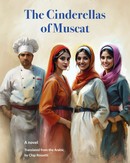
The Cinderellas of Muscat by Huda Hamed (Banipal Books, 2025)
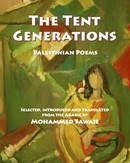
The Tent Generations
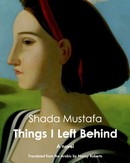
Things I Left Behind by Shada Mustafa, translated by Nancy Roberts
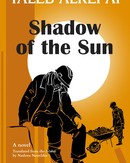
Shadow of the Sun by Taleb Alrefai
Birds of Nabaa, A Mauritanian Tale by Abdallah Uld Mohamadi Bah
The Stone Serpent, Barates of Palmyra’s Elegy for Regina his Beloved by Nouri Al-Jarrah
Mansi A Rare Man in His Own Way by Tayeb Saleh (Banipal Books, 2020)

Tayeb Salih
Goat Mountain by Habib Selmi
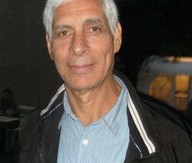
Habib Selmi, author of Goat Mountain and 3 times shortlisted for the IPAF
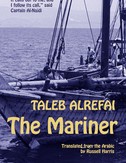
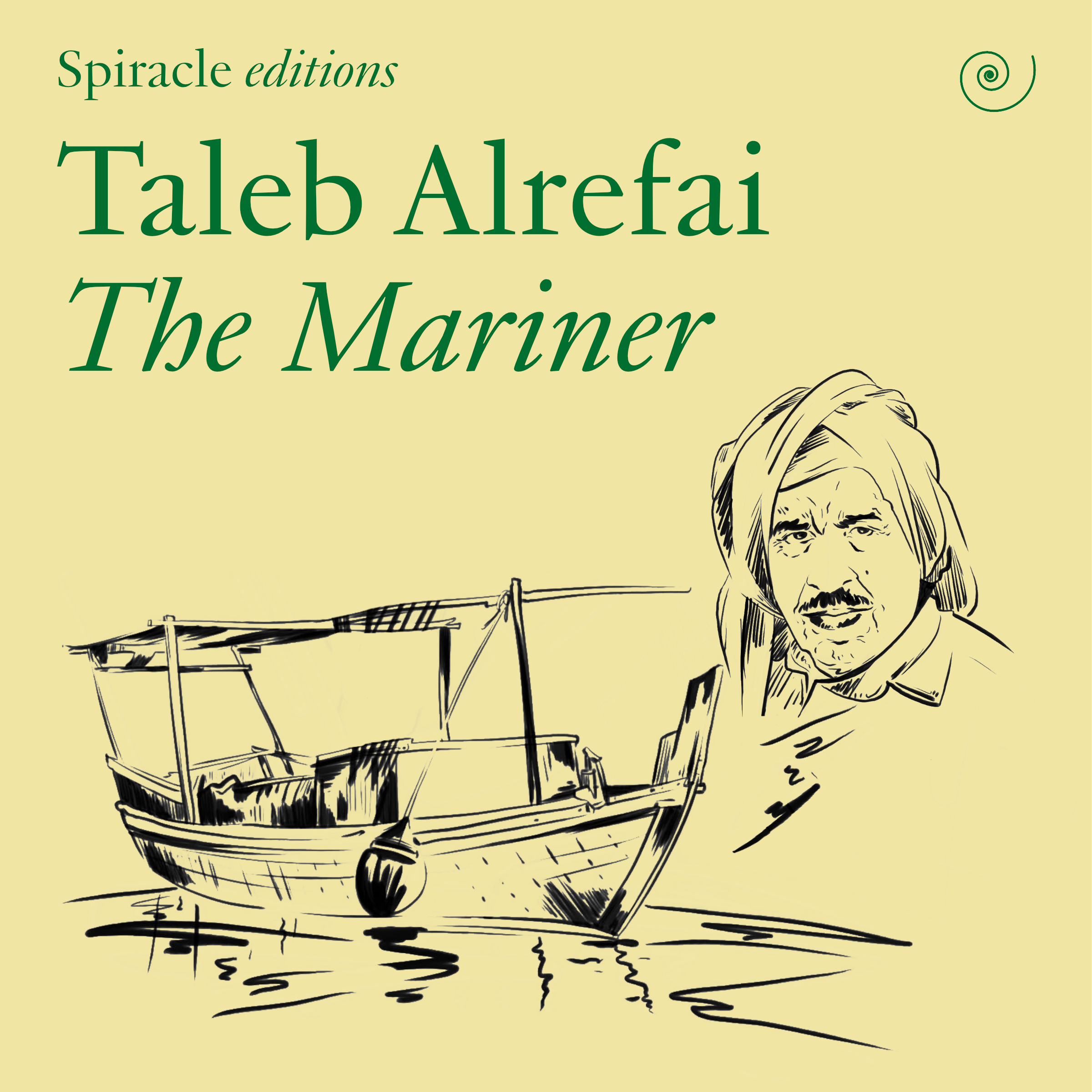
The Mariner by Taleb Alrefai (Banipal Books, 2020)

Taleb Alrefai, author of Shadow of the Sun and The Mariner

Fadhil Al-Azzawi's Beautiful Creatures by Fadhil al-Azzawi (Banipal Books, 2021)

Fadhil al-Azzawi
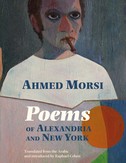
Poems of Alexandria and New York by Ahmed Morsi (Banipal Books, 2021)

Saïd Khatibi
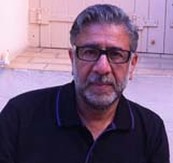
Amjad Nasser (1955–2019)

Digital Banipal the full archive
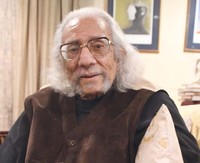
Ahmed Morsi, author of Poems of Alexandria and New York

Sarajevo Firewood
The Madness of Despair




.png)





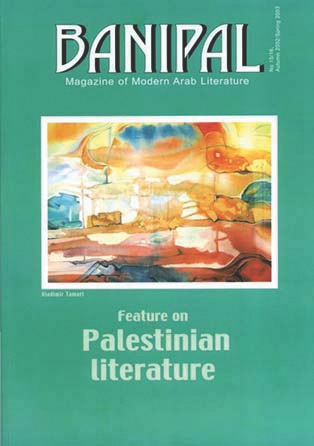
Link to poems by Mosab Abu Toha, published in Banipal 71 (Summer 2021), available to read online

Link to poem by Liana Badr published in Banipal 74, now available as an online selection






















* * *

















 GRIFFIN PRIZE SHORTLIST 2023
 Banipal's first audiobook