Receive Our Newsletter
For news of readings, events and new titles.

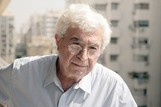
Baghdad is ablaze with demonstrations. The Iraq of "The Rain Song" cries in hunger and waits for freedom with Iraqi poet Badr Shakir al-Sayyab. Analysts cannot understand what is happening. The discourse of conspiracies that accompanies popular uprisings in the Arab world is dressed in a language that is dead, while the people in the streets are seeking language tinged with anger and blood. They are asserting their right to life and dignity.
When we think of Iraq we imagine al-Sayyab with his thin frame and his poetry, with its frequent references to water, and we also remember Muhammad Mahdi al-Jawahiri, another great Iraqi poet. We can also hear Jabra Ibrahim Jabra, the Palestinian who became Iraqi by adoption and was writing also about Iraq when he wrote stories about Jerusalem and Bethlehem.
But today, as Iraq cries out, I want to write about a forgotten Iraqi writer who died last week [Oct 7, 2019] – Shimon Ballas.
Shimon was a friend of mine, and here I use the word “friend” metaphorically because I met the man only three times in my life, twice in New York and once in Geneva. As soon as I met him, I knew that Shimon had already been my friend for a long time.
Shimon was an Iraqi citizen who experienced the tragedy that befell Iraqi Jews at the hands of Zionism and the Iraqi government. Zionism destroyed their lives in Iraq through the explosions that Mossad organised in the areas where they lived and in their places of worship, and the Iraqi government of Tawfiq al-Suweidi then sold them to Israel in 1950 by passing a law depriving Jews who left the country of their Iraqi nationality.
Iraq Jews were loaded like sheep onto planes whose only destination was Tel Aviv airport. In Israel they lived in humiliation in transit camps known as ma’abarot. Shimon Ballas, an activist in the Iraqi Communist Party, was displaced to Israel and wrote about his experiences in those camps. Starting with his first novel, written in Arabic and translated into Hebrew as Ha-Ma’abara (The Transit Camp) in 1964, he proclaimed his identity, and throughout his life he lived as an Arab Iraqi in exile in Israel.
Shimon’s experience converges with that of Samir Naqqash, another Jewish writer who was displaced to Israel and remained Iraqi till his death. Naqqash wrote all his novels in Baghdadi Arabic and proclaimed his attachment to his Iraqi roots. In his novel Nuzoula wa Kheet al-Shaytan (published in English translation as Tenants and Cobwebs in 2018), the hero, Jacob ben Ammam, shouts, “I’m Jewish but I’m not a traitor. How could I betray the land whose soil harbours the remains of my forefathers?”
Shimon Ballas’s story of displacement deserves to be told. He was taken to Israel by force, leaving his literary beginnings behind in Baghdad. A journalist who wrote in Arabic for Al-Ittihad newspaper, he said that Taha Hussein’s memoir The Days was his constant companion and that he felt that Arabic literature was part of his heritage. One of the most difficult moments in his life must have been when he decided to switch to writing in Hebrew. He had gone through a tempestuous struggle between the two languages, a struggle that ended when he began to use his Hebrew to give Hebrew-speakers access to Arab culture.
Throughout his life Shimon remained outside the mainstream of Israeli literature. He was closer to the Egyptian writer Yusuf Idris than to Amos Oz. He lived in the enlightened margins, faithful to echoes of the Arab and Iraqi tradition. In Israel, he found that he shared the pain of the Palestinians, so he wove Iraqi and Palestinian pain together in a unique literary experiment.
I met him in 2002, at a seminar in New York organised by a mutual friend, the poet Ammiel Alcalay, who had arranged readings by Shimon Ballas, Juan Goytisolo and me at New York University. I was impressed by Shimon’s literature and politics, but it was his beautiful, gentle, modest personality that captured my heart.
Alcalay wanted the meeting to recreate the multiculturalism of Andalusia, to which we aspired. But Shimon shifted the focus of the conversation from Andalusia to Palestine. Palestine was the challenge, because, amid the brutality of Zionism, one can still dream of a Palestine that has been and will remain freedom’s challenge to slavery, diversity’s challenge to racism and truth’s challenge to a history that has been appropriated by despots.
At a second meeting three years later, again in New York, I had to introduce Shimon. I introduced him as an Iraqi writer living in exile in Israel. He turned to me with a smile of approval and said, “That’s right. I was born Iraqi and I will die Iraqi.”
This Iraqi, who brought his Baghdad to life in a language, Hebrew, that was not his own, worked as a university professor teaching Arabic literature. He continued to write Arabic novels set in Iraqi and Arab environments, as if Iraq were still rooted in his heart and his spirit.
Who said that the social environment decides a writer’s place and role? A writer’s place lies in his words and his role is his vision and the lives of the characters in his novels. Shimon lived between Tel Aviv and Paris. In Paris, he wrote a doctorate on Arabic literature in the shadow of war, as well as several works of literature. In Tel Aviv, he lived in literary isolation, intent only on writing. As the Moroccan Jewish poet Sami Shalom Chetrit says in one of his poems, Ballas was an outcast like the hero of his novel Outcast. He reimagined himself as the Egyptian communist militant Henri Curiel in his novel Last Winter and wrote the story of Egyptian journalist and playwright Yaqub Sanu (James Sanua, aka Abu Naddara) in the novel Solo.
When I and a group of friends tried to open the doors of our culture to let in Arab Jews, I was met with a barrage of accusations, threats and insults. That was in 1998, when the Beirut Theatre, where I was artistic director, organised a series of cultural events to commemorate the 50th anniversary of the Nakba, entitled “50 – Nakba and Resistance”. The events, which included lectures, film screenings, plays, music, drama, poetry evenings and exhibitions, lasted three months. Beirut was recovering its voice after years of oppression by the Syrian regime and attempts to abort its freedom. We decided to conclude with a seminar that would include Arab Jewish intellectuals. We invited Abraham Serfaty, Naïm Kattan and Selim Nassib, and asked Shimon Ballas to write a presentation – he could not come to Beirut because he had Israeli nationality.
In the face of the threats and the hatred, we then asked our friends to send their speeches and told them apologetically that we could not welcome them in person because we could not protect them.
The scene in the theatre was amazing. There was a platform with empty chairs as a symbol of their enforced exclusion. Then a group of Lebanese intellectuals took turns reading their speeches.
On that day, the theatre overflowed with defiance and love. We relived the experience of exile that Zionism and the complicit Arab regimes had imposed, and we reclaimed a part of Arab culture that had been stripped away from its mother language.
All honour to Shimon Ballas.
The Arabic original was published in Al-Quds al-Arabi on October 7, 2019
under the headline The Last Iraqi Jew
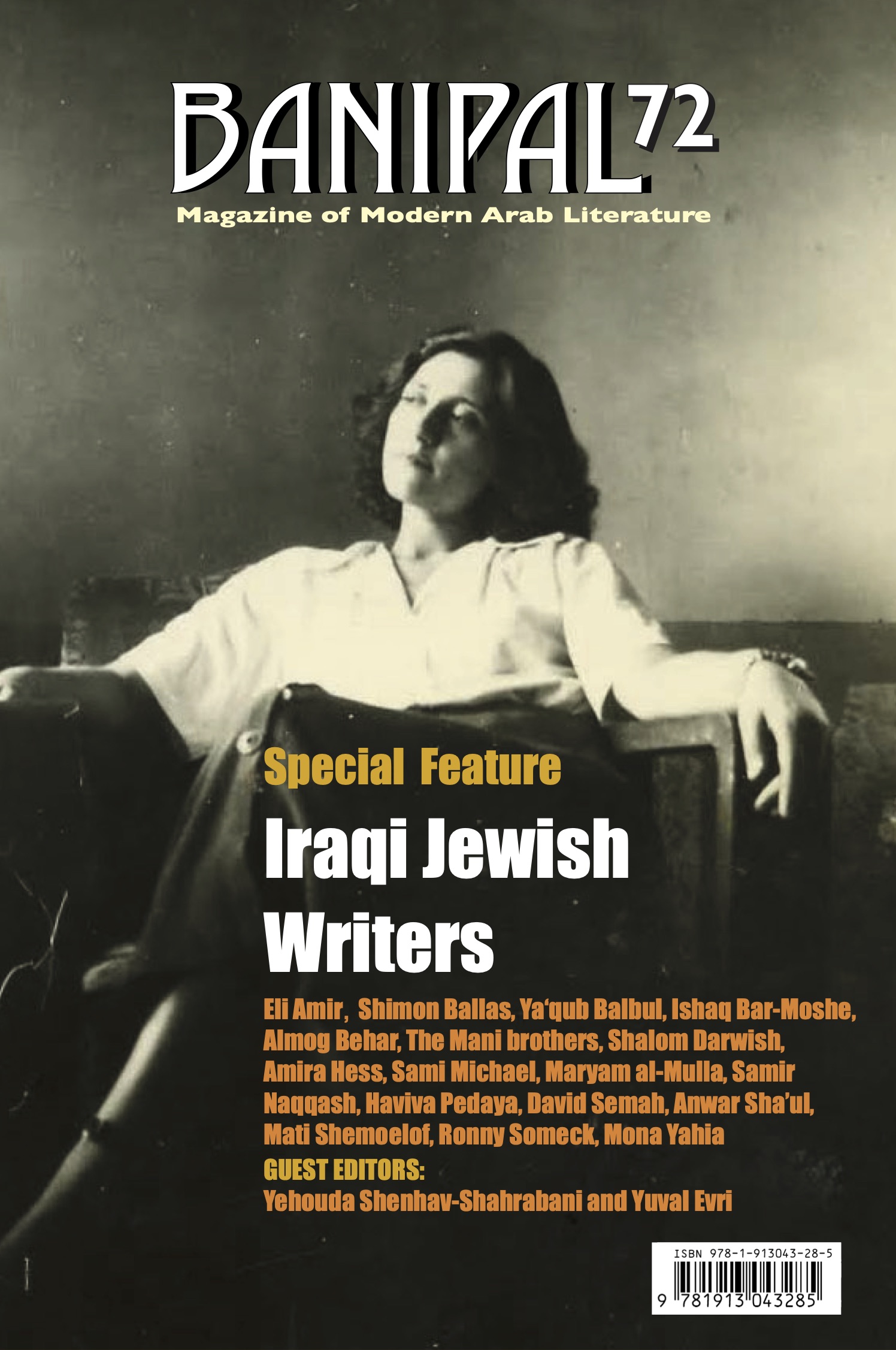
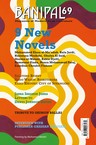
Published in Banipal 69 in agreement of the author, in translation by Jonathan Wright for the feature Tribute to Shimon Ballas 1930–2019
For news of readings, events and new titles.
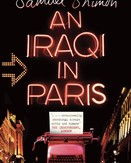
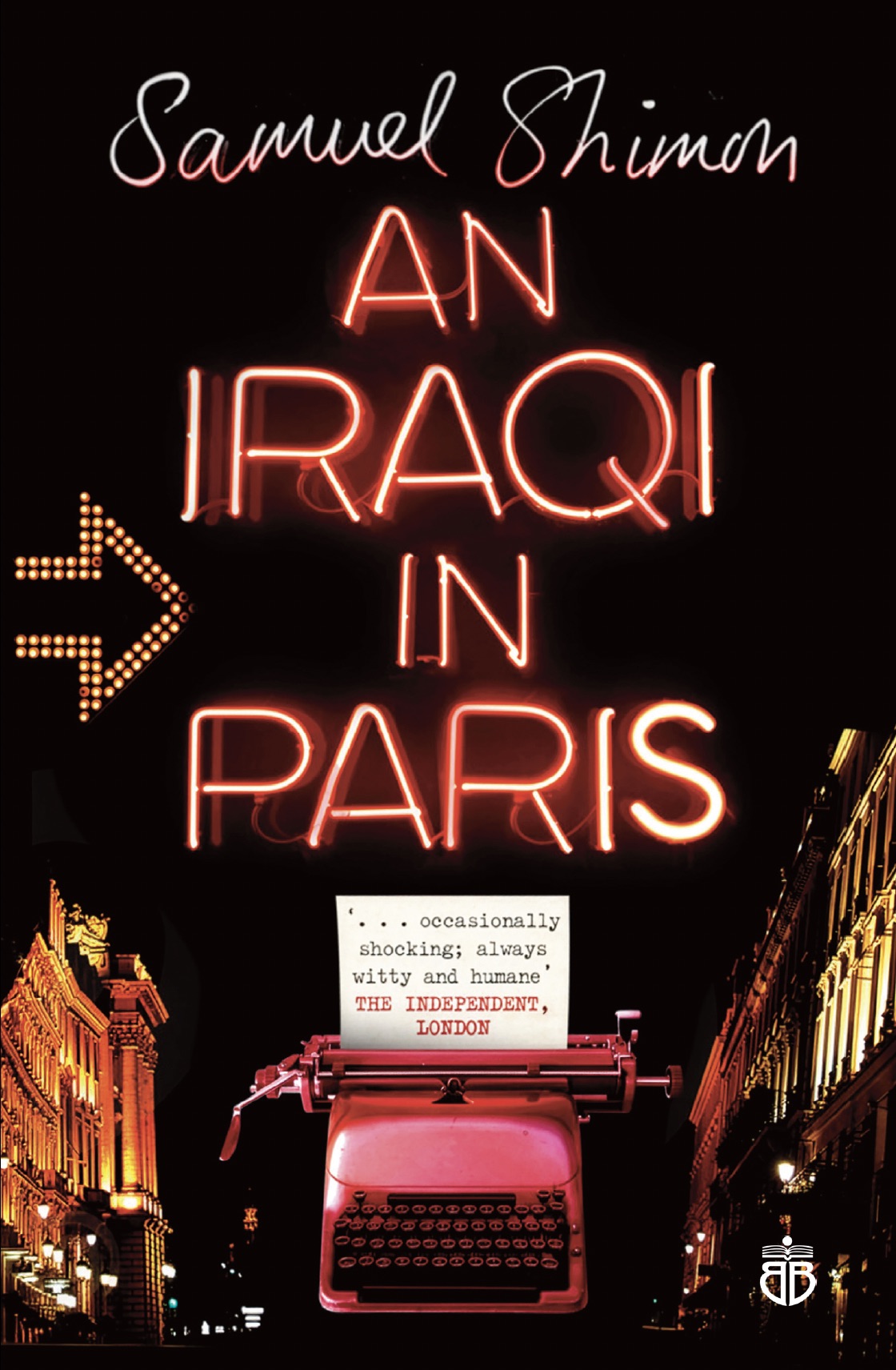
An Iraqi in Paris by Samuel Shimon
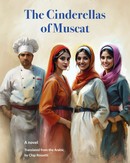
The Cinderellas of Muscat by Huda Hamed (Banipal Books, 2025)
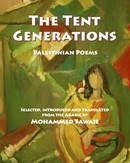
The Tent Generations
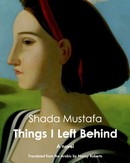
Things I Left Behind by Shada Mustafa, translated by Nancy Roberts
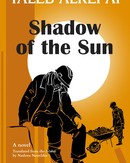
Shadow of the Sun by Taleb Alrefai
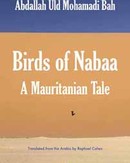
Birds of Nabaa, A Mauritanian Tale by Abdallah Uld Mohamadi Bah
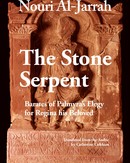
The Stone Serpent, Barates of Palmyra’s Elegy for Regina his Beloved by Nouri Al-Jarrah
Mansi A Rare Man in His Own Way by Tayeb Saleh (Banipal Books, 2020)
Tayeb Salih
Goat Mountain by Habib Selmi
Habib Selmi, author of Goat Mountain and 3 times shortlisted for the IPAF
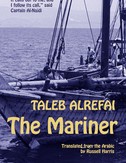
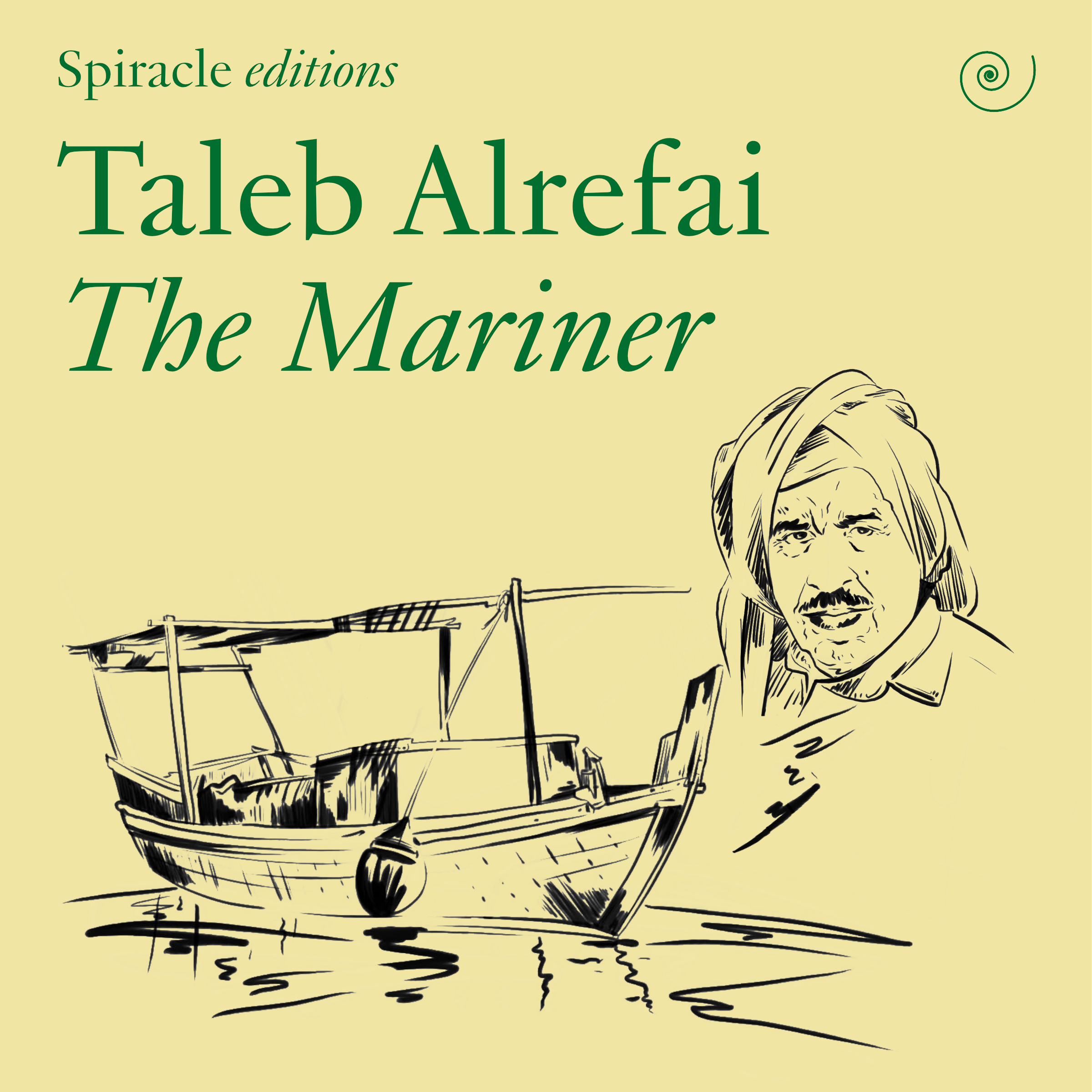
The Mariner by Taleb Alrefai (Banipal Books, 2020)
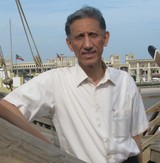
Taleb Alrefai, author of Shadow of the Sun and The Mariner
Fadhil Al-Azzawi's Beautiful Creatures by Fadhil al-Azzawi (Banipal Books, 2021)
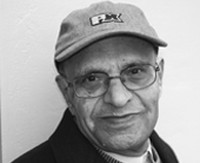
Fadhil al-Azzawi
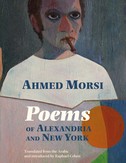
Poems of Alexandria and New York by Ahmed Morsi (Banipal Books, 2021)

Saïd Khatibi
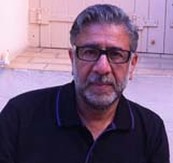
Amjad Nasser (1955–2019)

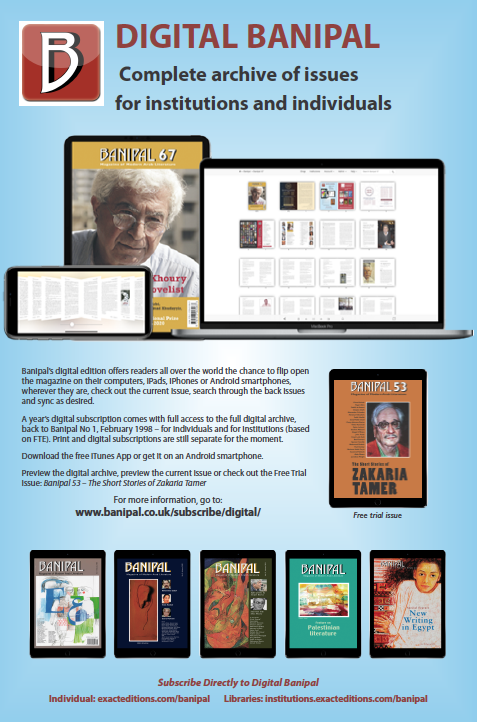
Digital Banipal the full archive
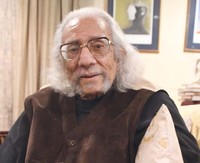
Ahmed Morsi, author of Poems of Alexandria and New York
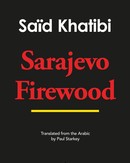
Sarajevo Firewood
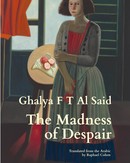
The Madness of Despair


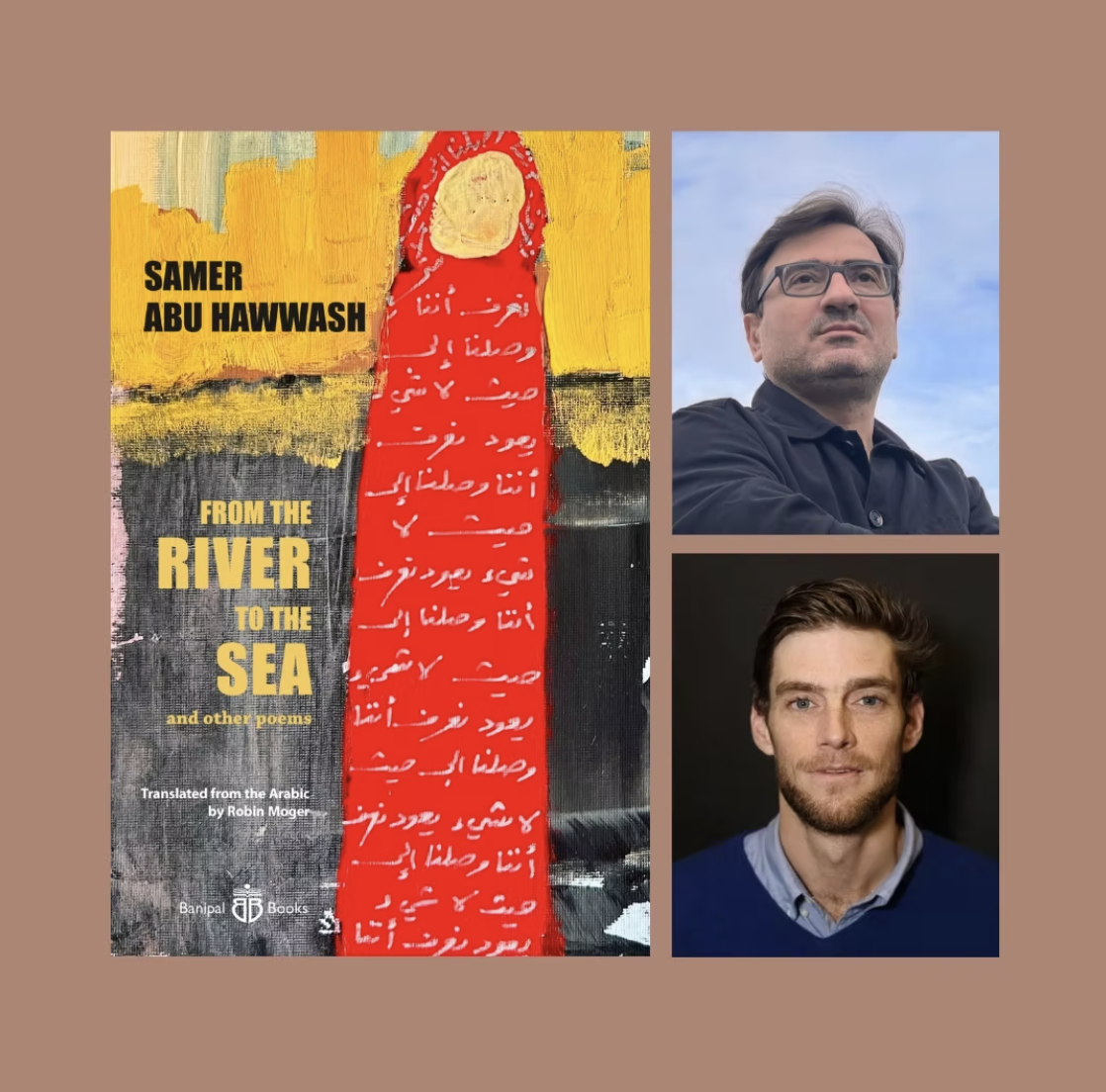
.png)
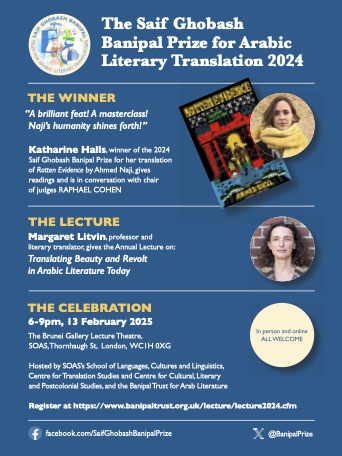
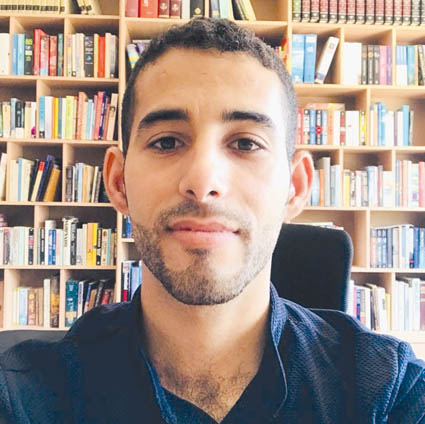
Link to poems by Mosab Abu Toha, published in Banipal 71 (Summer 2021), available to read online
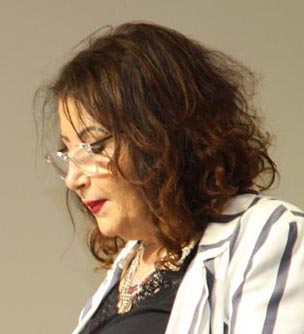
Link to poem by Liana Badr published in Banipal 74, now available as an online selection












* * *


 Reprint out now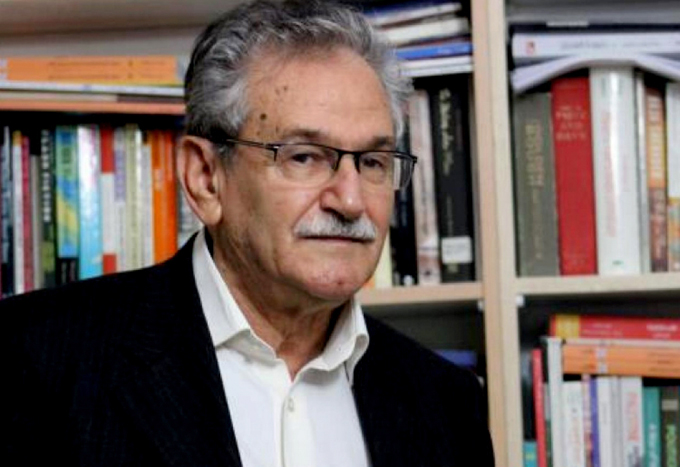
 GRIFFIN PRIZE SHORTLIST 2023
 Banipal's first audiobook