Receive Our Newsletter
For news of readings, events and new titles.

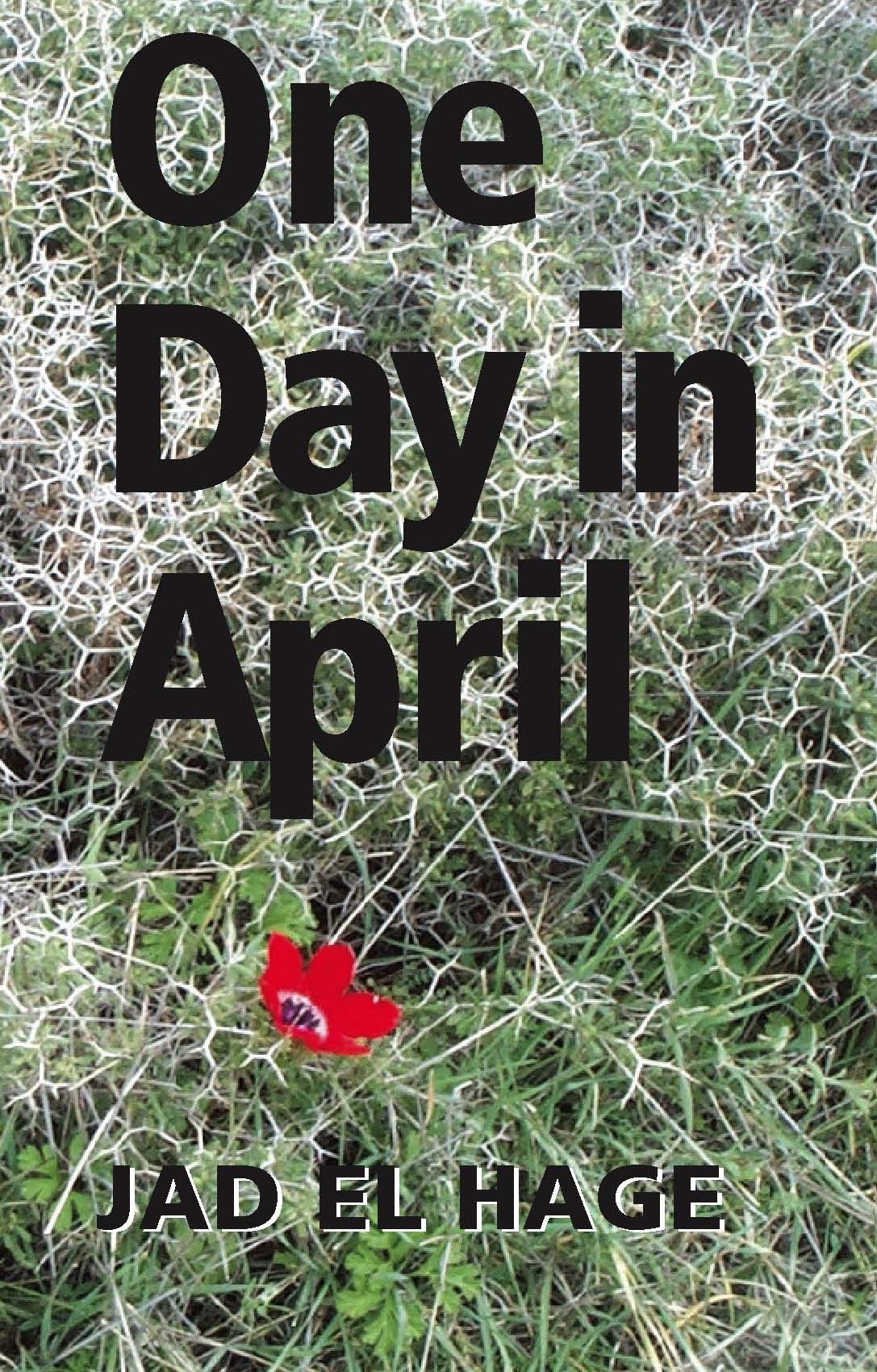
One Day in April
by Jad El Hage
Quartet Books, London, 2011
Pbk,
170pp. ISBN: 978 0 7043 7237 5
The Cruelest Month
Lebanese author and journalist Jad
El Hage’s new novel completes what his publisher terms his “informal civil war
trilogy.” The trilogy began with The Last Migration (Panache
Publications, 2002), exploring the Lebanese émigré experience in 1990s London.
Next came The Myrtle Tree (Banipal Books, 2007), which takes the reader to a
village in Lebanon early in the 1975- 1990 civil war.
One Day in April is set in Lebanon on 13 April 1977. Its first-person narrator
is an acclaimed Lebanese-Armenian photojournalist Krikor Krikorian – known as
Koko – who works for the Daily
Sun newspaper in Beirut. On the
morning of this day the newspaper instructs Koko to travel to the Bekaa Valley
where he is to meet the writer Nader Abi Nader in order to cover a big wedding.
The two men are to go to a village that hosts a number of fugitives, among them
former prisoners who freed themselves from Raml prison.
Koko is aghast at being
given this joint assignment with Nader, “the bastard who’d robbed me of my
first love”. At the beginning of the civil war Koko had been close to Nader,
who had studied experimental theatre in Poland, and had worked on Nader’s film
project portraying the Mediterranean as the “Blue Pirate”.
But the friendship
had turned to hatred after Koko’s (and Nader’s) free-spirited painter lover
Najla Helou betrayed him. Najla vanished from Koko’s life and Koko married
Arsiné, a childhood friend and fellow Armenian. He is now the devoted father of
a baby son who on that day in April has taken his first steps. And yet “the
imprint of my time with Najla still lingers inside me, a shard of unfinished
business”.
El Hage has set his novel on the second anniversary of the killing of
Palestinians on a bus in the Ain al-Rummaneh suburb of Beirut, a massacre
widely seen as the spark of the civil war. And April is also the month in which
massacres of Armenians in Turkey began in 1915. Koko observes: “April is the
cruellest month indeed, the month of genocide, when Armenians throughout the
world remember their massacred forefathers . . .”
As in his previous novels, El
Hage delights in the details of everyday life. He brings a strong human
dimension and a humorous touch to his portrayal of characters caught up in the
chaos and bloodshed of the Lebanese civil war. Writers, filmmakers and artists
try in vain to use their creativity to combat the growing sectarianism. The
reallife restaurateur and cultural activist George Zeenny organises an anti-war
arts festival in the streets of Beirut.
During his drive to the Bekaa, Koko recreates
in flashback his passionate love for the notorious red-haired Bohemian artist Najla,
who believed “monogamy was hypocrisy and marriage a silver coffin for cowards”.
In the Bekaa, with its wild landscape, thriving cannabis industry, its outlaws,
and glimpses of a so-called white witch, Koko enters a different world. He
encounters a now-vulnerable Nader, and must decide how to deal with this
detested love rival. He learns that the Bekaa wedding is intended to reconcile
feuding tribes and that the fugitives from prison have proposals to stop the
escalation of violence in Lebanon.
The narrative is occasionally overcrowded
with information, as in some almost ethnographic descriptions of Bekaa life and
traditions. But the reader’s interest holds right to the novel’s disconcerting,
even shocking, conclusion. This is a fitting finale to El Hage’s achievement of
a highly readable trilogy that gives unique visions of Lebanon and a civil war
whose repercussions continue to resonate.
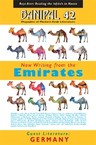
From Banipal 42 - New Writing from the Emirates
Back to top
For news of readings, events and new titles.
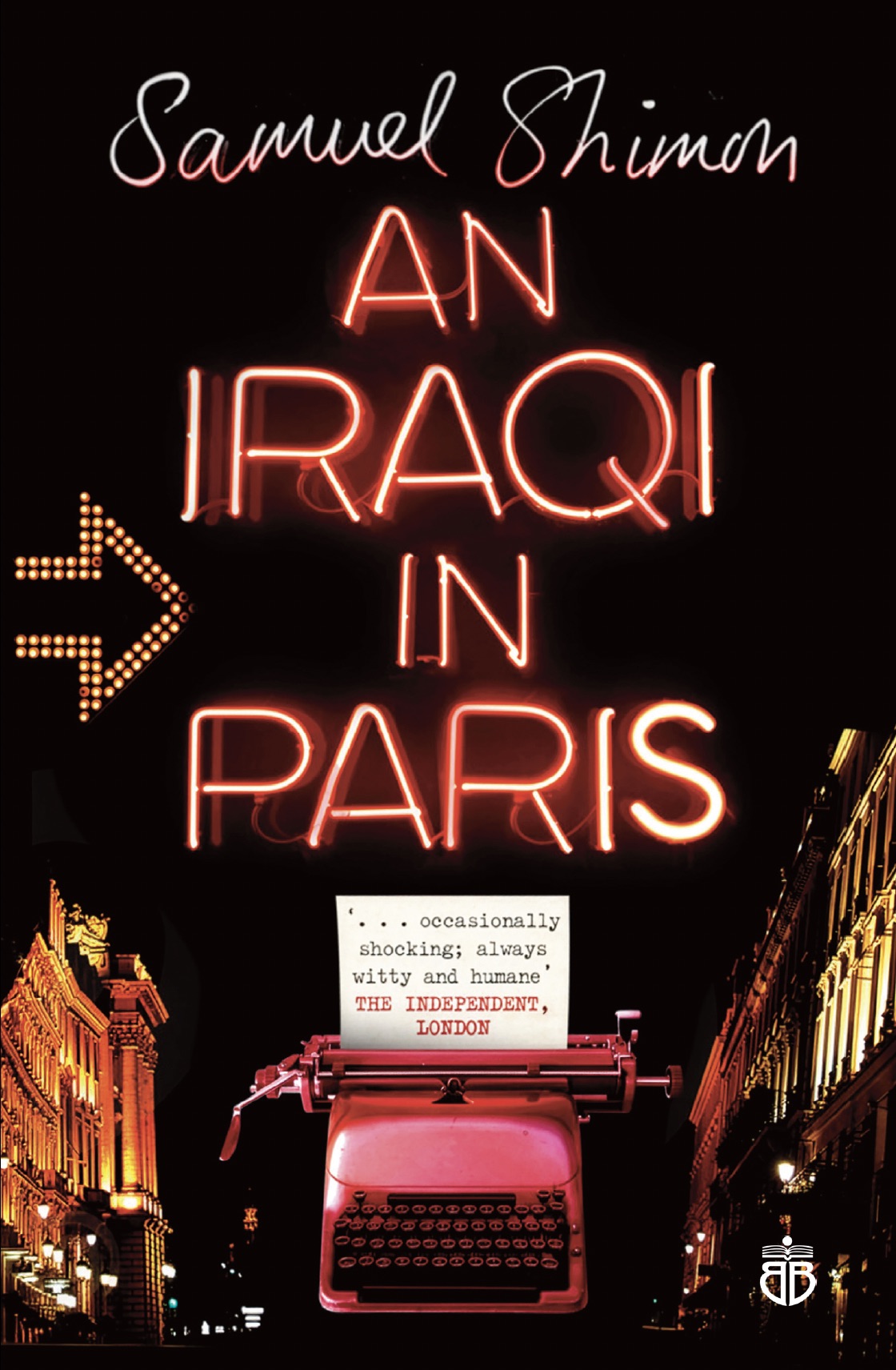
An Iraqi in Paris by Samuel Shimon
The Cinderellas of Muscat by Huda Hamed (Banipal Books, 2025)
The Tent Generations
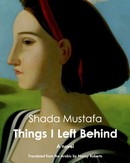
Things I Left Behind by Shada Mustafa, translated by Nancy Roberts
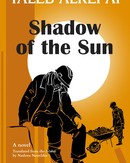
Shadow of the Sun by Taleb Alrefai
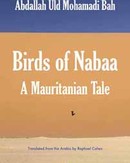
Birds of Nabaa, A Mauritanian Tale by Abdallah Uld Mohamadi Bah
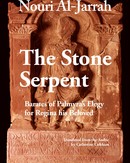
The Stone Serpent, Barates of Palmyra’s Elegy for Regina his Beloved by Nouri Al-Jarrah
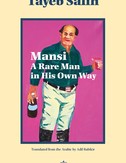
Mansi A Rare Man in His Own Way by Tayeb Saleh (Banipal Books, 2020)
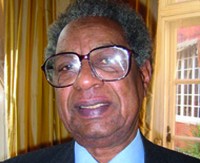
Tayeb Salih
Goat Mountain by Habib Selmi
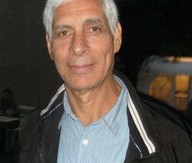
Habib Selmi, author of Goat Mountain and 3 times shortlisted for the IPAF
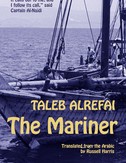
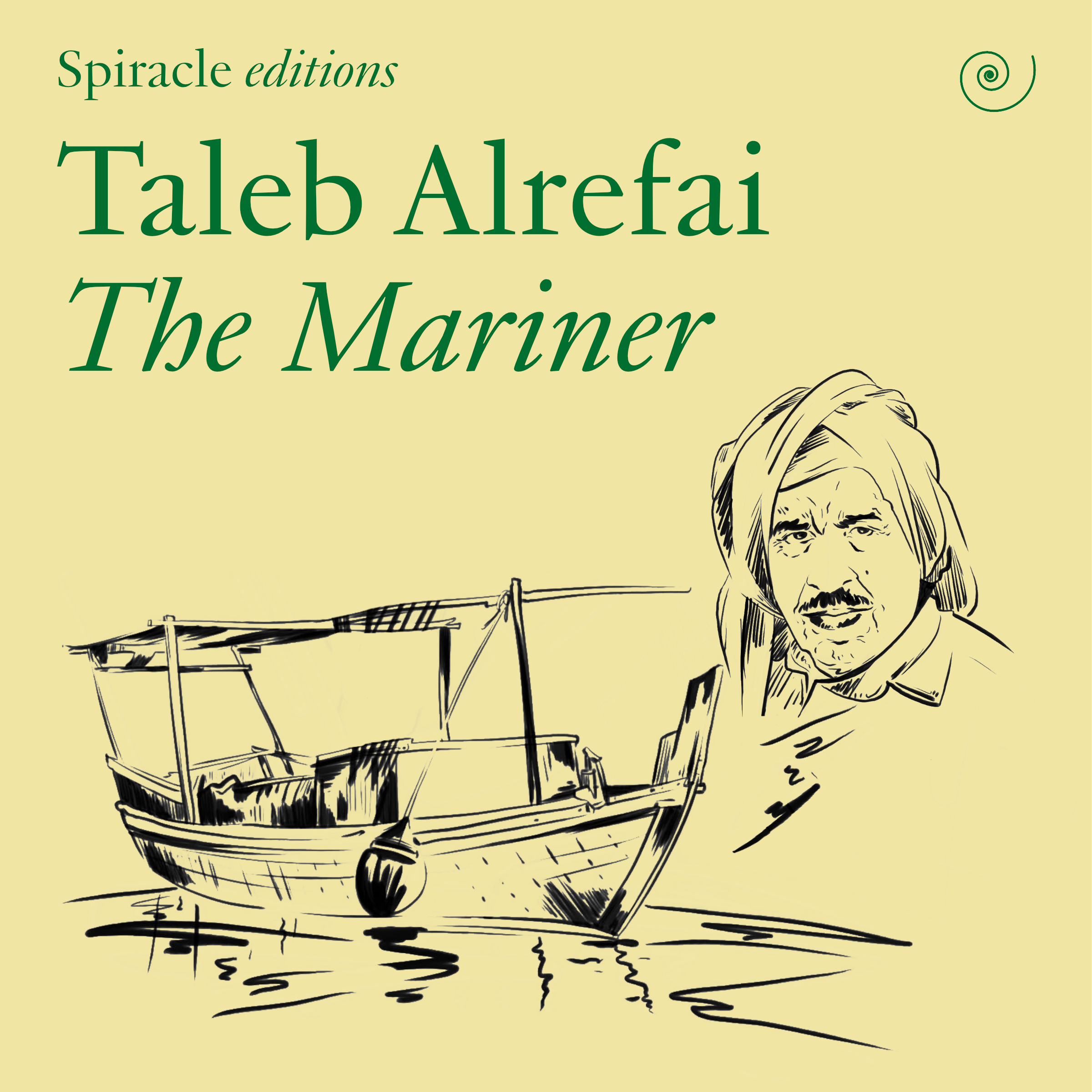
The Mariner by Taleb Alrefai (Banipal Books, 2020)

Taleb Alrefai, author of Shadow of the Sun and The Mariner

Fadhil Al-Azzawi's Beautiful Creatures by Fadhil al-Azzawi (Banipal Books, 2021)
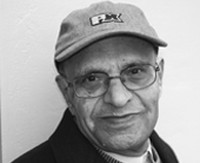
Fadhil al-Azzawi
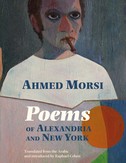
Poems of Alexandria and New York by Ahmed Morsi (Banipal Books, 2021)

Saïd Khatibi
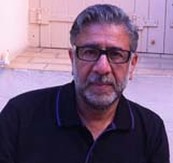
Amjad Nasser (1955–2019)

Digital Banipal the full archive
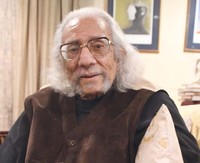
Ahmed Morsi, author of Poems of Alexandria and New York
Sarajevo Firewood
The Madness of Despair


.png)


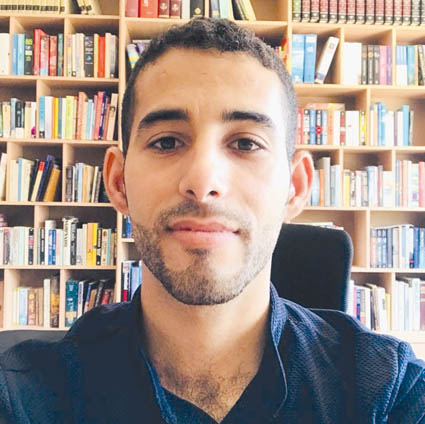
Link to poems by Mosab Abu Toha, published in Banipal 71 (Summer 2021), available to read online
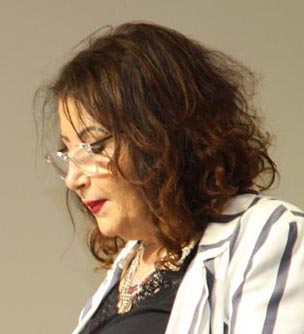
Link to poem by Liana Badr published in Banipal 74, now available as an online selection




















* * *




 Reprint out now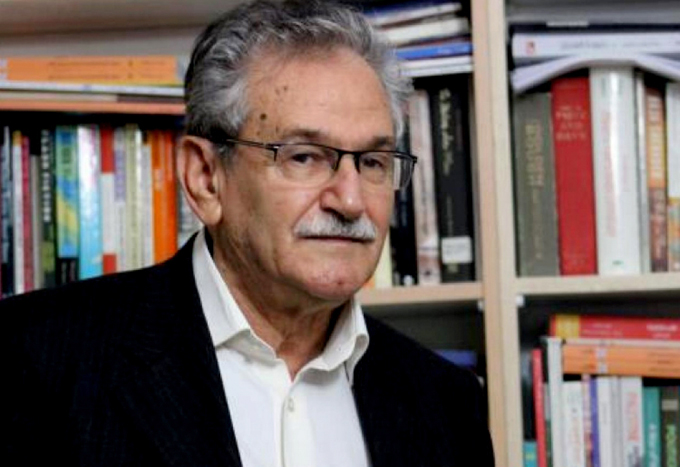
 GRIFFIN PRIZE SHORTLIST 2023
 Banipal's first audiobook