Receive Our Newsletter
For news of readings, events and new titles.

I Shall Not Hate
By Izzeldin Abuelaish
Bloomsbury
Publishing, London, Feb 2011. I Hbk, 256pp, £16.99.
http://www.bloomsbury.com/ Walker & Company, USA, Jan 2011. Hbk, 224pp,
$24.00, http://www.walkerbooks.com/
Daughters for Life
The full human horror of the 23-day Israeli assault on
Gaza that began on 27 December 2008 was brought to world attention on 16
January when a distraught Palestinian doctor told an Israeli TV host live by
phone from Gaza that minutes earlier Israeli tank shells had killed three of
his daughters and a niece. He cried repeatedly: “They shelled my house. They
killed my daughters. What have we done?”
The doctor was gynaecologist and obstetrician Izzeldin Abuelaish. Throughout
the Gaza war he had been phoning news reports in Hebrew to his friend Shlomo
Eldar, a news anchor on Israel’s Channel 10. Israel had barred the foreign and
local media from entering Gaza during the war and the reports of eyewitnesses
such as Abuelaish were a crucial source of news.
The attack on the Abuelaish family apartment came despite the doctor’s
long-standing efforts to build fruitful relationships with Israelis. He had
regularly crossed the border from Gaza to work alongside Israeli specialists in
his field, first at Soroka Medical Centre in Beersheba and later at Sheba
Hospital in Tel Aviv.
At one time he hosted monthly groups of Israeli visitors to Gaza to let
them see the conditions Palestinians had to endure. And he had sent three of
his daughters to the Creativity for Peace camp in Santa Fe, New Mexico, run by
Israeli and Palestinian coordinators.
In his book I Shall Not Hate Abuelaish constructs a
profoundly moving and thoughtful narrative around the attack that killed his daughters
Bessan (21), Mayar (15), and Aya (13) and their cousin Noor (17). Another
daughter, Shatha (16), was badly wounded and left blinded in one eye. At the
time of the attack Abuelaish’s six daughters and two sons had been having to
come to terms with the death of their mother Nadia from leukaemia just four
months earlier.
Abuelaish puts his family tragedy in the context of his own history and
that of the Palestinian people.
Abuelaish’s family
originally came from the village of Houg in southern Palestine where his
well-off grandfather was mukhtar. They left Houg – temporarily they assumed –
in search of safety during the 1948 war, but were never allowed to return.
Izzeldin was born in the Gaza refugee camp of Jabalia in 1955.
Abuelaish powerfully
conveys the experience of growing up in poverty in a Gaza refugee camp. The
1967 Israeli invasion and occupation left particularly painful memories. Ariel
Sharon, Israeli military commander of Gaza, bulldozed hundreds of houses,
including that of the Abuelaish family, so as to make the camp’s roads wide
enough for tanks. “The level of inhumanity was astonishing, and it has stayed
with me to this day,” writes Abuelaish.
For Abuelaish’s generation of Palestinians “education was the only way
out of the circumstances we were in”. An exceptionally bright student, he won a
scholarship to study medicine in Cairo and obtained further medical
qualifications at the Universities of London and Harvard.
Abuelaish describes the endless humiliations of Gazans under “the
relentless absurdity of a system that does not allow humans to be human.”
Crossing the Erez border between Gaza and Israel is “never routine, often
erratic, frightening and exhausting.” Most of those crossing the border since
the blockade was imposed in 2006 have been medical patients with special
permission to enter Israel for hospital appointments. Yet, with no explanation
given, they have to wait for hours at the checkpoint.
But while depicting the hopelessness and desperation felt by Palestinians
in Gaza, Abuelaish stands adamantly against actions such as suicide bombings.
He says: “To those who seek retaliation, I say, even if I took revenge on all
the Israeli people, would it bring my daughters back? Hatred is an illness. It
prevents reconciliation and peace.”
Looking to the future for Palestinians and Israelis he says the most
important step now is not a grand new peace plan but “getting to know each
other and establishing mutual respect. We share so many fundamental values: the
way we socialize, the way we raise our children, the way we argue loudly and
embrace ancient tradition and a sense of honour.”
After the years of growing disillusionment with the peace process since
the Oslo Accords of 1993 Abuelaish’s belief that building human understanding at
grassroots level will eventually lead to peace may seem overidealistic and
utopian. But his book has an inspiring positivity and humanity about it.
Through his descriptions of the personalities, achievements and dreams of his
late daughters they become symbols of a young generation of Palestinians whose
spirit and talents bode well for the future.
Izzeldin now lives with his five surviving children in Canada where he
is an associate professor at the Dalla Lana School of Public Health at the
University of Toronto. He has become a significant voice on the world stage
through his book, interviews and speaking engagements. In 2010 he was nominated
for the Nobel Peace Prize.
To honour the memory of his daughters he has set up the Daughters for
Life Foundation (www.daughtersforlife.com). This charity gives financial aid to
young women at high school and university in Palestine, Israel, and the four
neighbouring Arab states. “When female values are better represented through
leadership at all levels of society, overall values will change and life will
improve in the Gaza Strip, in Palestine as a whole, in Israel, and throughout
the Middle East,” says the Foundation’s website.
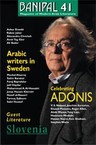
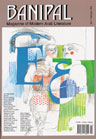
From Banipal 41 -
Celebrating Adonis
Back to top
For news of readings, events and new titles.
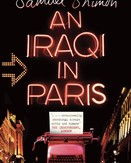
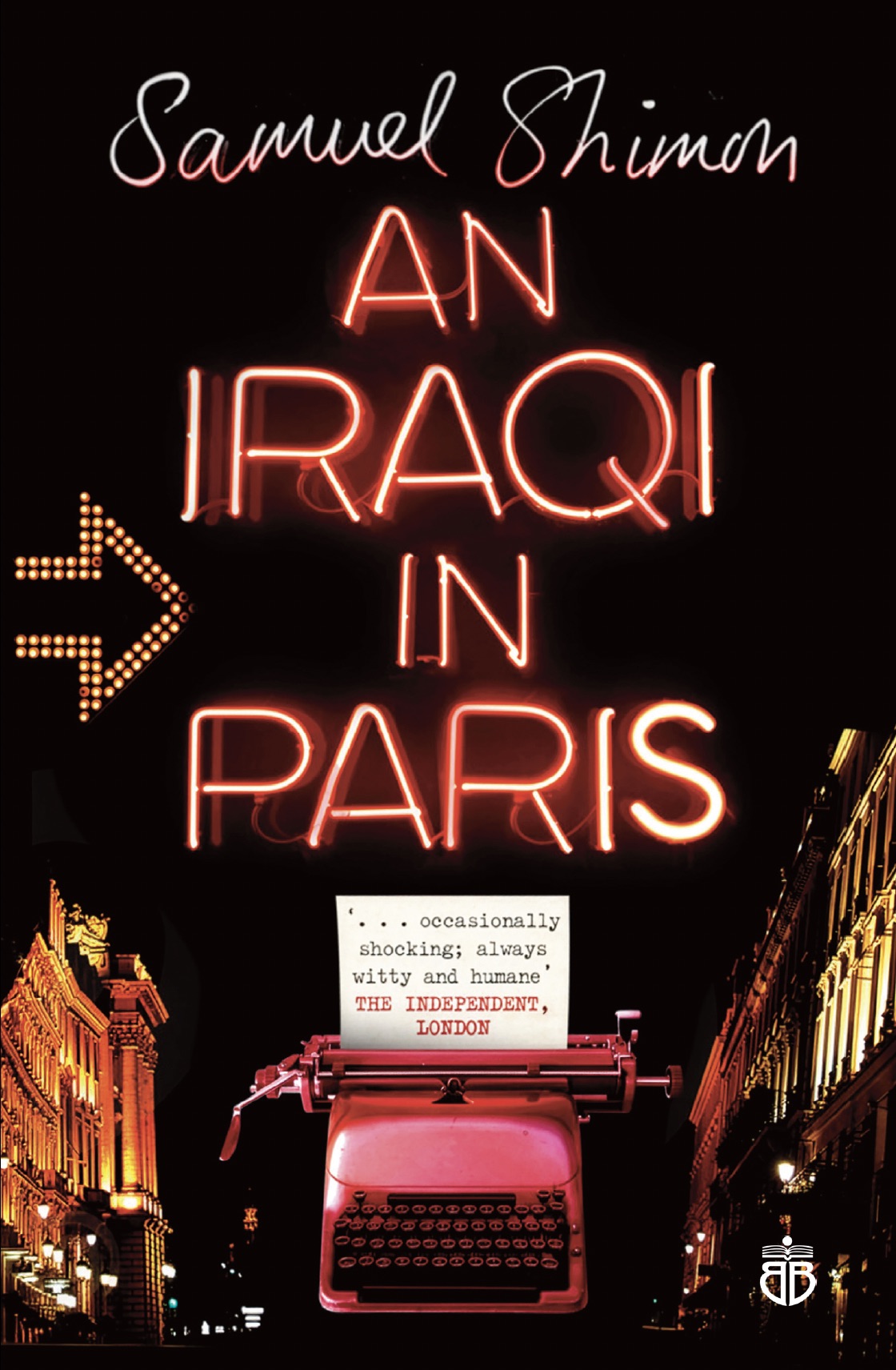
An Iraqi in Paris by Samuel Shimon
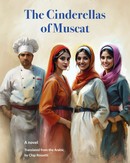
The Cinderellas of Muscat by Huda Hamed (Banipal Books, 2025)
The Tent Generations
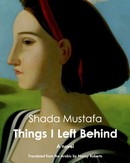
Things I Left Behind by Shada Mustafa, translated by Nancy Roberts
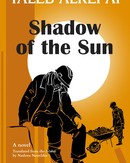
Shadow of the Sun by Taleb Alrefai
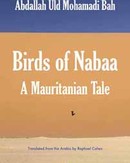
Birds of Nabaa, A Mauritanian Tale by Abdallah Uld Mohamadi Bah
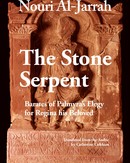
The Stone Serpent, Barates of Palmyra’s Elegy for Regina his Beloved by Nouri Al-Jarrah
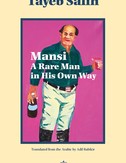
Mansi A Rare Man in His Own Way by Tayeb Saleh (Banipal Books, 2020)
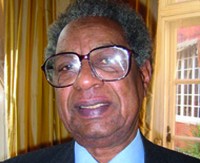
Tayeb Salih
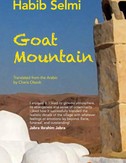
Goat Mountain by Habib Selmi
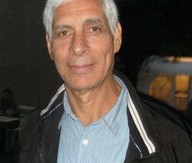
Habib Selmi, author of Goat Mountain and 3 times shortlisted for the IPAF
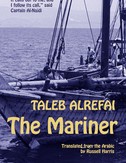
The Mariner by Taleb Alrefai (Banipal Books, 2020)
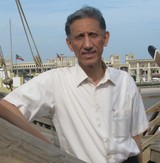
Taleb Alrefai, author of Shadow of the Sun and The Mariner

Fadhil Al-Azzawi's Beautiful Creatures by Fadhil al-Azzawi (Banipal Books, 2021)
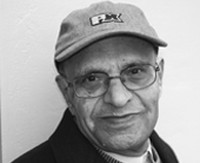
Fadhil al-Azzawi
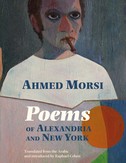
Poems of Alexandria and New York by Ahmed Morsi (Banipal Books, 2021)

Saïd Khatibi
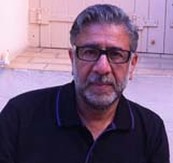
Amjad Nasser (1955–2019)

Digital Banipal the full archive
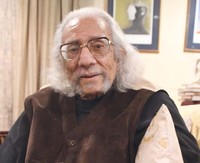
Ahmed Morsi, author of Poems of Alexandria and New York

Sarajevo Firewood
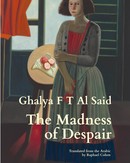
The Madness of Despair


.png)



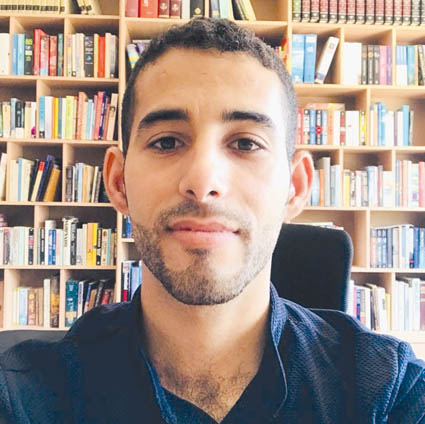
Link to poems by Mosab Abu Toha, published in Banipal 71 (Summer 2021), available to read online
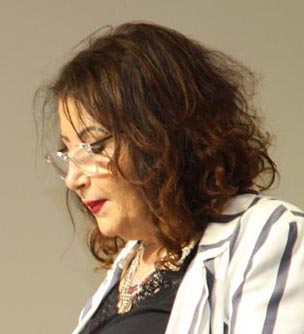
Link to poem by Liana Badr published in Banipal 74, now available as an online selection





















* * *




 Reprint out now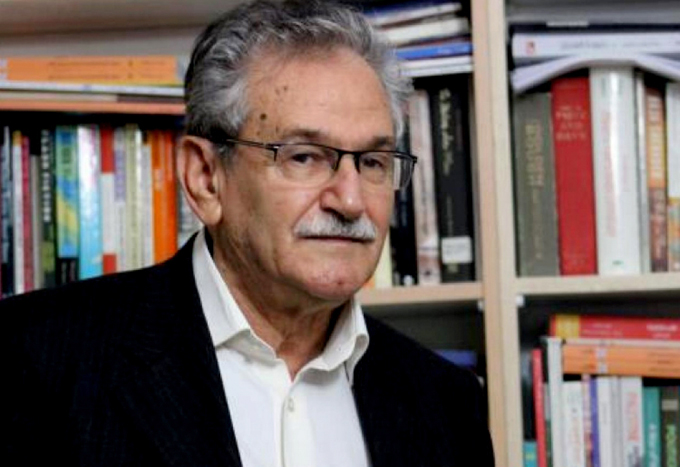
 GRIFFIN PRIZE SHORTLIST 2023
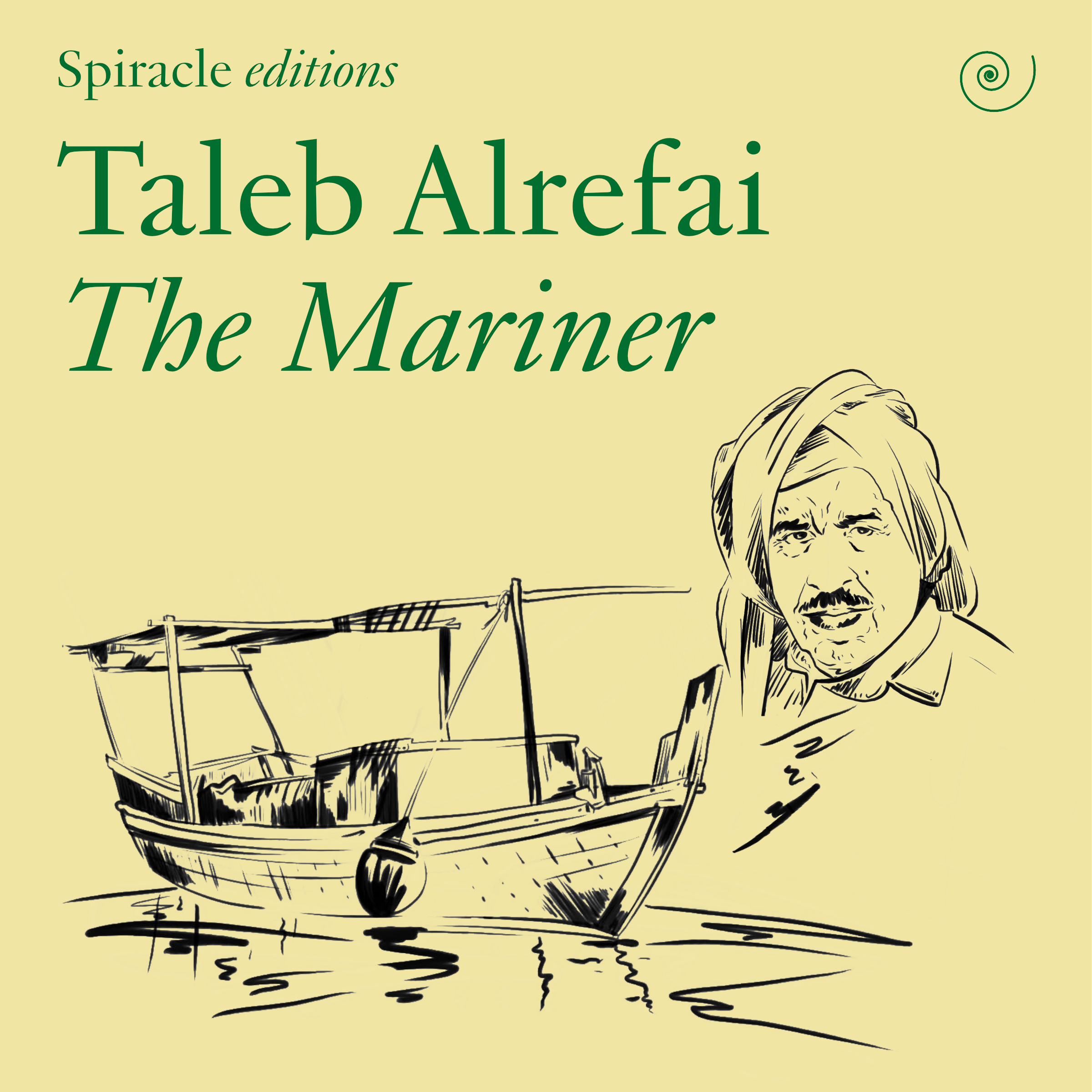 Banipal's first audiobook