Receive Our Newsletter
For news of readings, events and new titles.

Gretchen McCullough reviews
 The Men Who Swallowed the Sun
Published by Hoopoe Fiction, 2022.
ISBN 9781649031990. 216pp, pb. hb, ebook.
Hamdi Abu Golayyel’s novel, The Men who Swallowed the Sun, translated by the late Humphrey Davies and published by Hoopoe Fiction, is an entertaining picaresque tale, which focuses on Egyptian migrants who make the difficult, grueling journey to Italy through Libya. While the novel deals with an issue frequently covered in news reports, Abu Golayyel does not tell a “true story” but instead, artfully fuses Egyptian oral storytelling with the literary tradition of Miguel Cervantes and Laurence Sterne. Abu Golayyel, a journalist originally from Fayoum, south of Giza, was awarded the Naguib Mafouz Prize for his novel A Dog with No Tail in 2008.
The novel opens with an outlandish speculation that the Great Leader, i.e. Muammar al-Gaddafi might, in fact, be related to Egyptian Bedouins from the Fayoum, the “Saad-Shin”. With the narrator’s insistence on telling the truth, we suspect he protests a little too much. He is enjoying the game of creating a new myth, just as bizarre as “real history”. Or perhaps Abu Golayyel is also suggesting that all history is myth? We are, then, introduced to our picaro, an unreliable, self-deprecating, likable scoundrel, “El-Baffo, Saddam the Egyptian”, who gets out of one scrape after another and even prison, by his talent for telling tall tales. Like many young men in Egypt, he is under enormous pressure to acquire obscene wealth so that he can marry. Without economic opportunities, they often take desperate actions. He finds himself in Sabha, Libya, the “revolutionary capital of the revolutionary Leader”, his first stop on the way to the “European dream” where he must “amass millions” or be deemed a flop by the family and society. Abu Golayyel shows that traditional expectations for men in Egyptian society are absurdly unrealistic. For example, the narrator El Baffo says that his widowed mother started treating him like the man of the family when he was only five years old!
Despite its episodic structure and loose plot, told as a series of humorous musings and vignettes, the novel is tightly woven. The novel rotates between El-Baffo’s adventures in Libya and Italy. Making a living is tough in both countries—and one admires the enterprising way the picaro, El-Baffo manages to survive, even if he claims to be hapless and naïve. In Libya, he tries his hand at a range of “professions”: construction worker, bootlegger, cook, auto repairman, and concrete-block maker. With other Egyptians and Africans who are fleeced by smugglers, El-Baffo attempts to cross the Mediterranean in a wooden boat, and then a second time, in a tiny inflatable dingy. Once the migrants are rescued by the Red Cross from their flimsy boat, they are processed in Sicily. El-Baffo lies and says he is an Iraqi. Even though the translator knows he is fibbing, she lets him pass, anyway. In the beginning of his time in Italy, he finds honest work, but it is often sporadic, mostly work in construction. He is so hungry he steals bikes and food from supermarkets, sleeps under bridges and eats at churches. He finds some help when he discovers other Egyptians, often from the same town, who are in the same situation. Money flows when he starts dealing drugs, but that, too, is the slippery slope as he descends further into the dark world of gangs: feuds over territory, gambling, robbery, kidnapping, murder, arrests, and two stints in prison.
In his adventures, El-Baffo encounters a wide range of flamboyant characters from many cultures, which sometimes lead to misunderstandings. The author provides an insightful perspective on some of these cultural and political clashes. For example, in the chapter “Eweidat and His Feuds” the narrator describes a Libyan, a retired schoolmaster, who despises Gaddafi and His Tribe, yet never breathes a word of his opposition even to expatriate Egyptians. These silences “sometimes gave rise to unjustified irascibility, aggression and suspicion”. Since he cannot complain about Libya because of the harsh restrictions on expression under Gaddafi’s dictatorship, Eweidat directs his aggression toward the Egyptian Bedouins, who live in Sabha, in ferocious quarrels over politics in the Arab world: like the issue of Palestine or Egyptian nationalism. He would say, “If Egypt’s the mother of the world, who its father?” Another character, a famous Bedouin singer, Awad Al-Malki, mysteriously dies in a car accident. The narrator speculates that his death might be linked to a drunken speech, making fun of the “Great Leader”.
 Even though The Men Who Swallowed the Sun is not a realistic novel, one suspects that Abu Golayyel’s inspiration for his work is either personal experience or the anecdotes of the many friends and relatives who lived in Libya and Italy. The absolute lawlessness of Libya is conveyed through plausible detail. For example, in the chapter, “The Blue Corolla” El-Baffo describes how his cousin, a maladroit handyman, deludes himself into believing that he can earn a living, in an auto-body repair shop in Libya. The narrator works with him as well. Instead of using expensive auto paint, his cousin uses cheap green wood paint. El-Baffo comments that his cousin was relying on: “. . . that celebrated low Egyptian cunning that says, ‘it’s all paint and they won’t notice, anyway’.” When the shrewd customer, “a young Libyan wearing a turban” arrives, he threatens to kill his cousin with an automatic machine gun just for using green paint. But then, he becomes even more furious when he realizes they have tried to cheat him with cheap paint. El-Baffo kisses his head and begs him in the name of the Prophet not to kill them both. In the end, they end up paying a professional to repaint the car blue, instead of doing it themselves, fearing for their lives. On many occasions in the novel, even ridiculous situations might easily end in a bloodbath.
El-Baffo also lives on the edge in Italy. At one point after he has gotten high on hashish, he starts thinking about how he is afraid of being attacked by other gangs, or being arrested, wondering if he will ever return to Egypt alive. As one would expect, rogues speak in slang. Humphrey Davies renders the informal colloquial Arabic in his convincing translation. El-Baffo thinks: “Okay, if I get killed here, how will my family take revenge? And who from, and who’d know? I wouldn’t amount to a hill of beans: I’d just be a dog that had slunk off somewhere.”
The Men Who Swallowed the Sun is closest to Khairy Shalaby’s The Lodging House, (2006) mostly known as Wikalet ‘Atiya in Arabic. Like Khairy Shalaby, Abu Golayyel writes about colorful characters from the underbelly of society: smugglers, con artists, shysters, drug dealers, and thieves. Abu Golayyel’s novel, however, never becomes repetitive. The Men Who Swallowed the Sun concludes when El-Baffo, Saddam the Egyptian, must return to Egypt since he realizes that double crossing Albanian drug lords in Italy will mean “almost certain death”. The novel is so engaging that the ending seems abrupt, but maybe a gifted storyteller also knows that you always want a reader to hunger for more.
This review by Gretchen McCullough was published ln Banipal 74 (Summer 2022).
The Men Who Swallowed the Sun was the joint winner of the 2022 Saif Ghobash Banipal Prize for Arabic Literary Translation.
For news of readings, events and new titles.
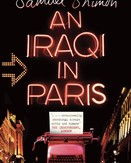
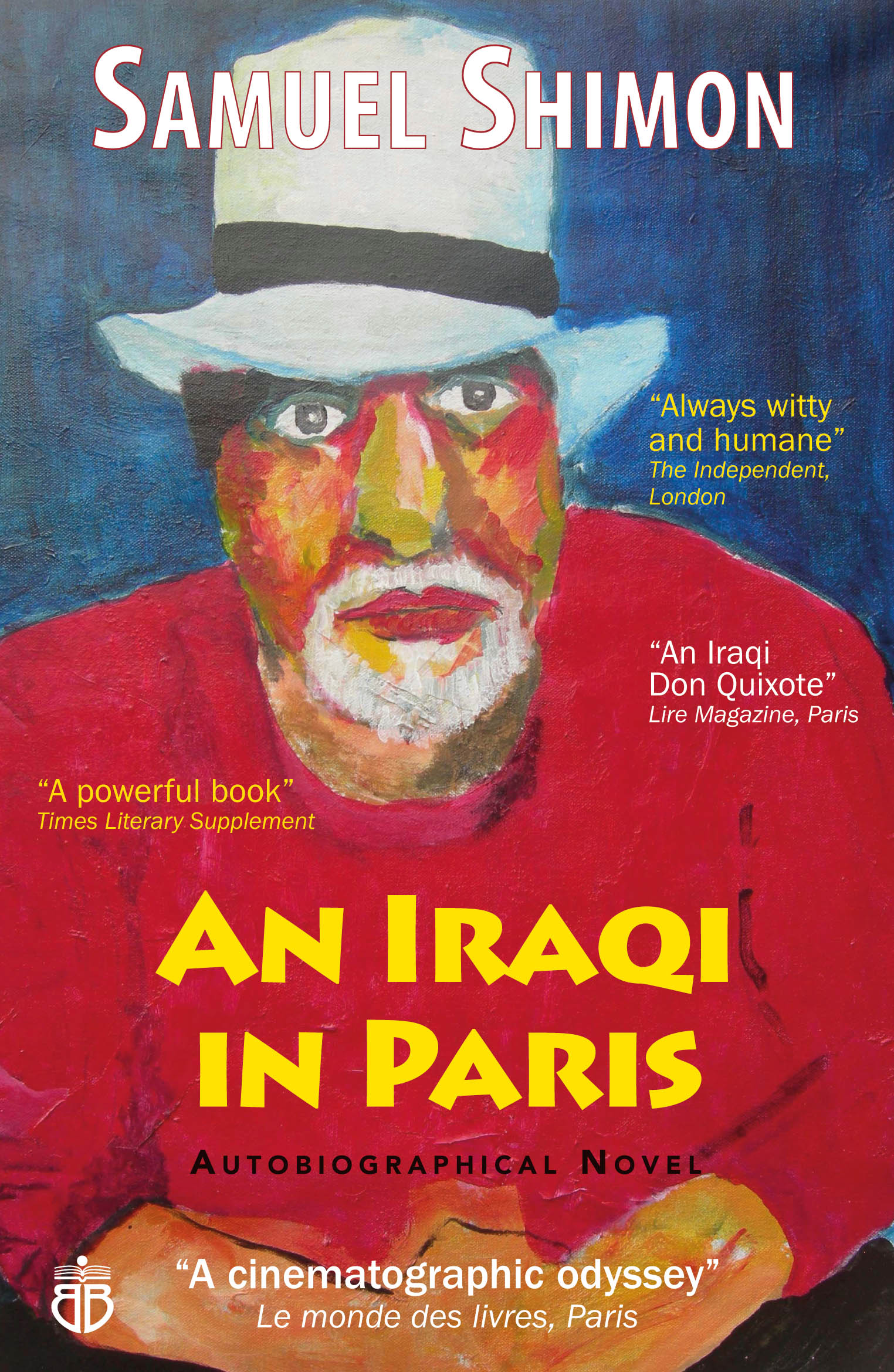
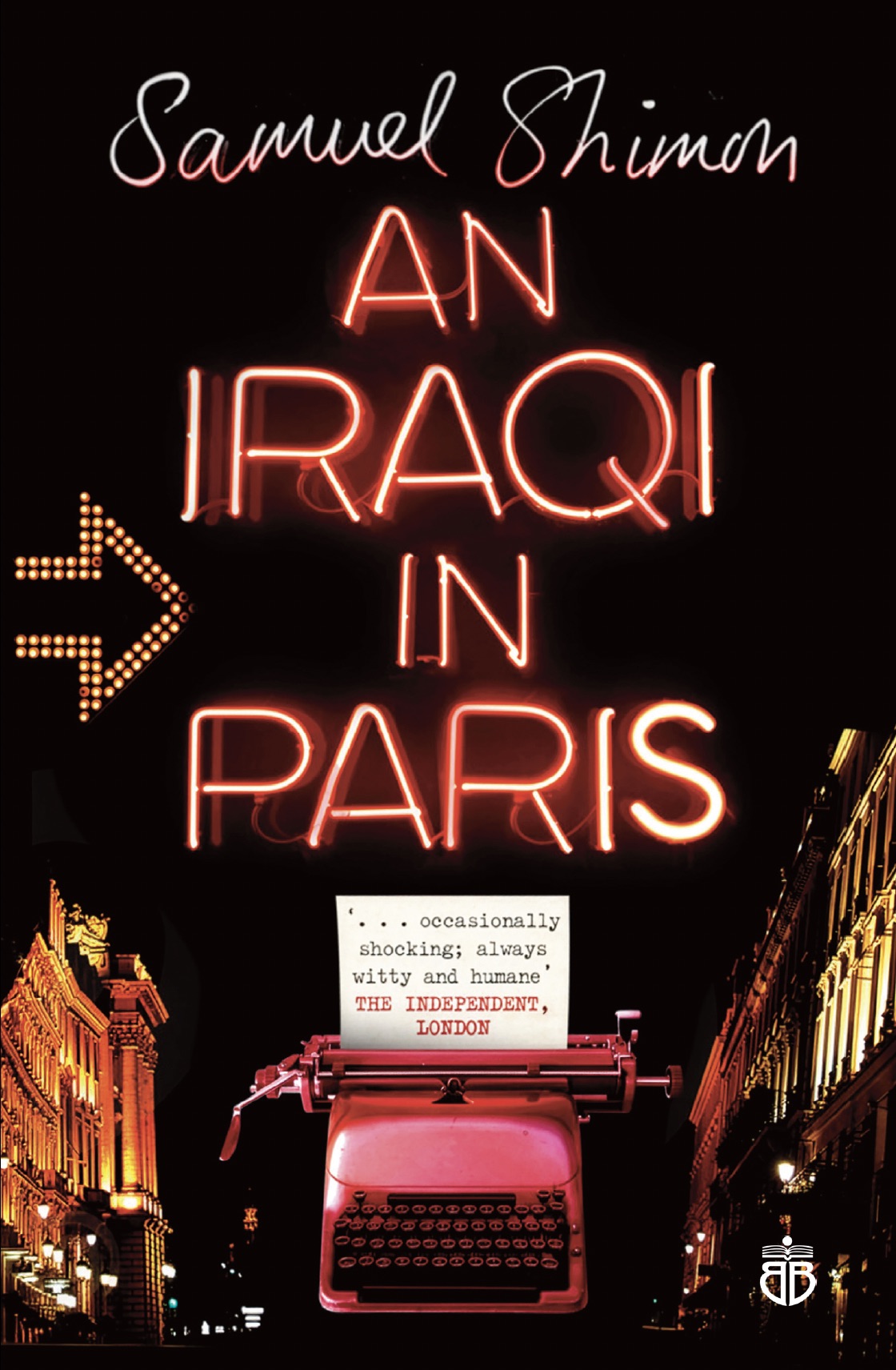
An Iraqi in Paris by Samuel Shimon
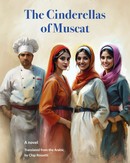
The Cinderellas of Muscat by Huda Hamed (Banipal Books, 2025)
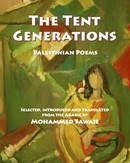
The Tent Generations
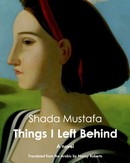
Things I Left Behind by Shada Mustafa, translated by Nancy Roberts
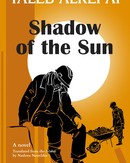
Shadow of the Sun by Taleb Alrefai
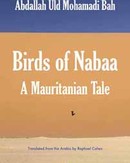
Birds of Nabaa, A Mauritanian Tale by Abdallah Uld Mohamadi Bah
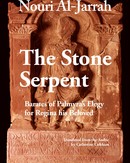
The Stone Serpent, Barates of Palmyra’s Elegy for Regina his Beloved by Nouri Al-Jarrah
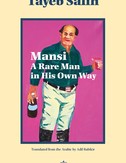
Mansi A Rare Man in His Own Way by Tayeb Saleh (Banipal Books, 2020)
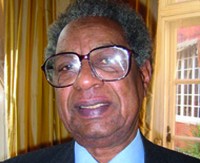
Tayeb Salih
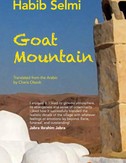
Goat Mountain by Habib Selmi
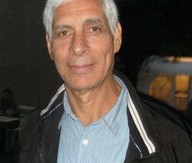
Habib Selmi, author of Goat Mountain and 3 times shortlisted for the IPAF
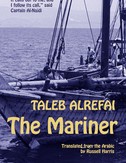
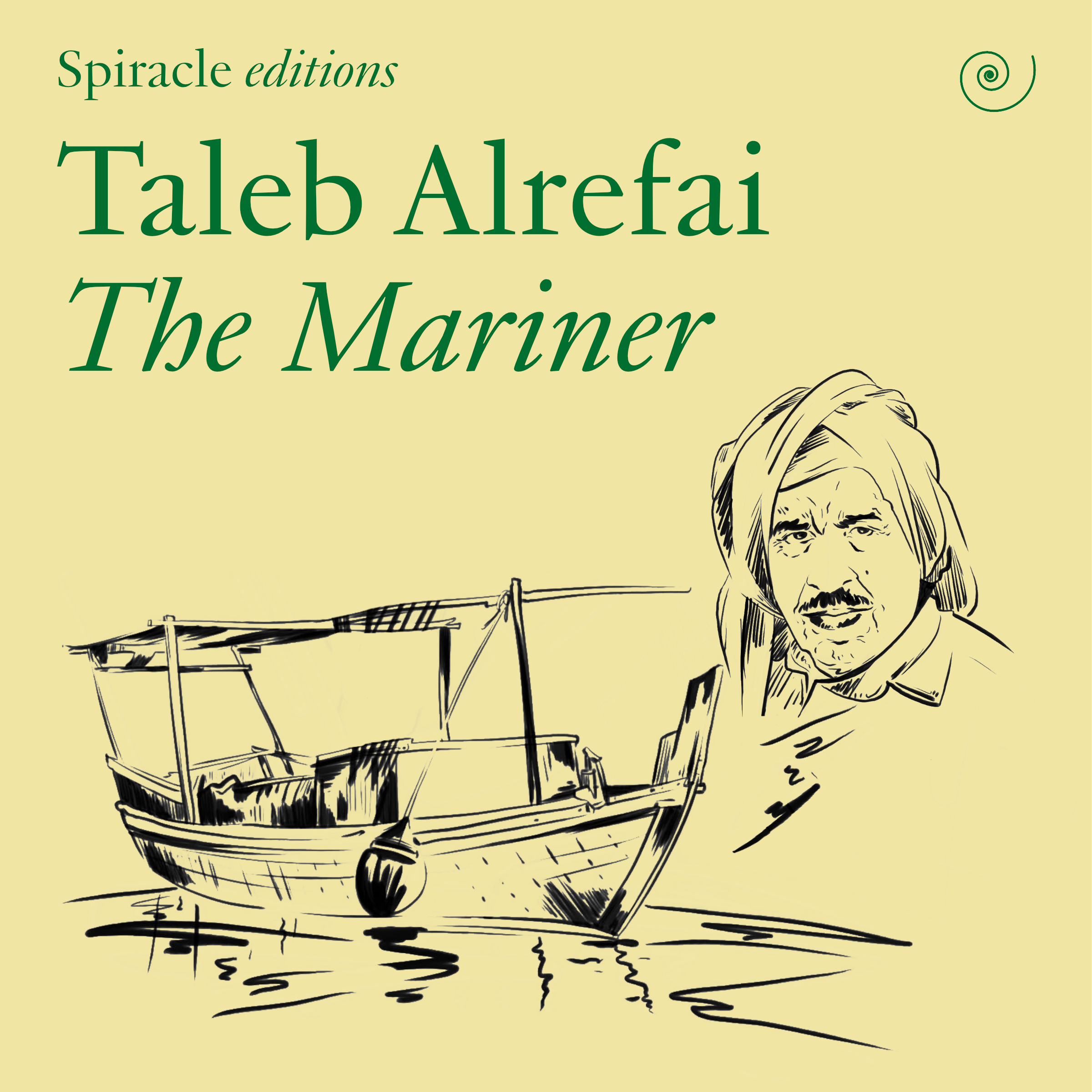
The Mariner by Taleb Alrefai (Banipal Books, 2020)
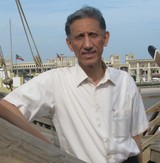
Taleb Alrefai, author of Shadow of the Sun and The Mariner

Fadhil Al-Azzawi's Beautiful Creatures by Fadhil al-Azzawi (Banipal Books, 2021)
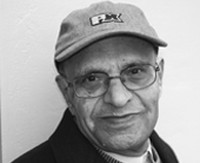
Fadhil al-Azzawi
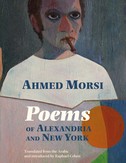
Poems of Alexandria and New York by Ahmed Morsi (Banipal Books, 2021)

Saïd Khatibi
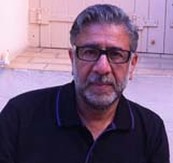
Amjad Nasser (1955–2019)

Digital Banipal the full archive
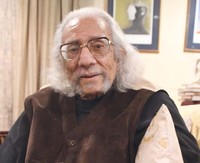
Ahmed Morsi, author of Poems of Alexandria and New York

Sarajevo Firewood
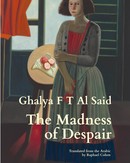
The Madness of Despair


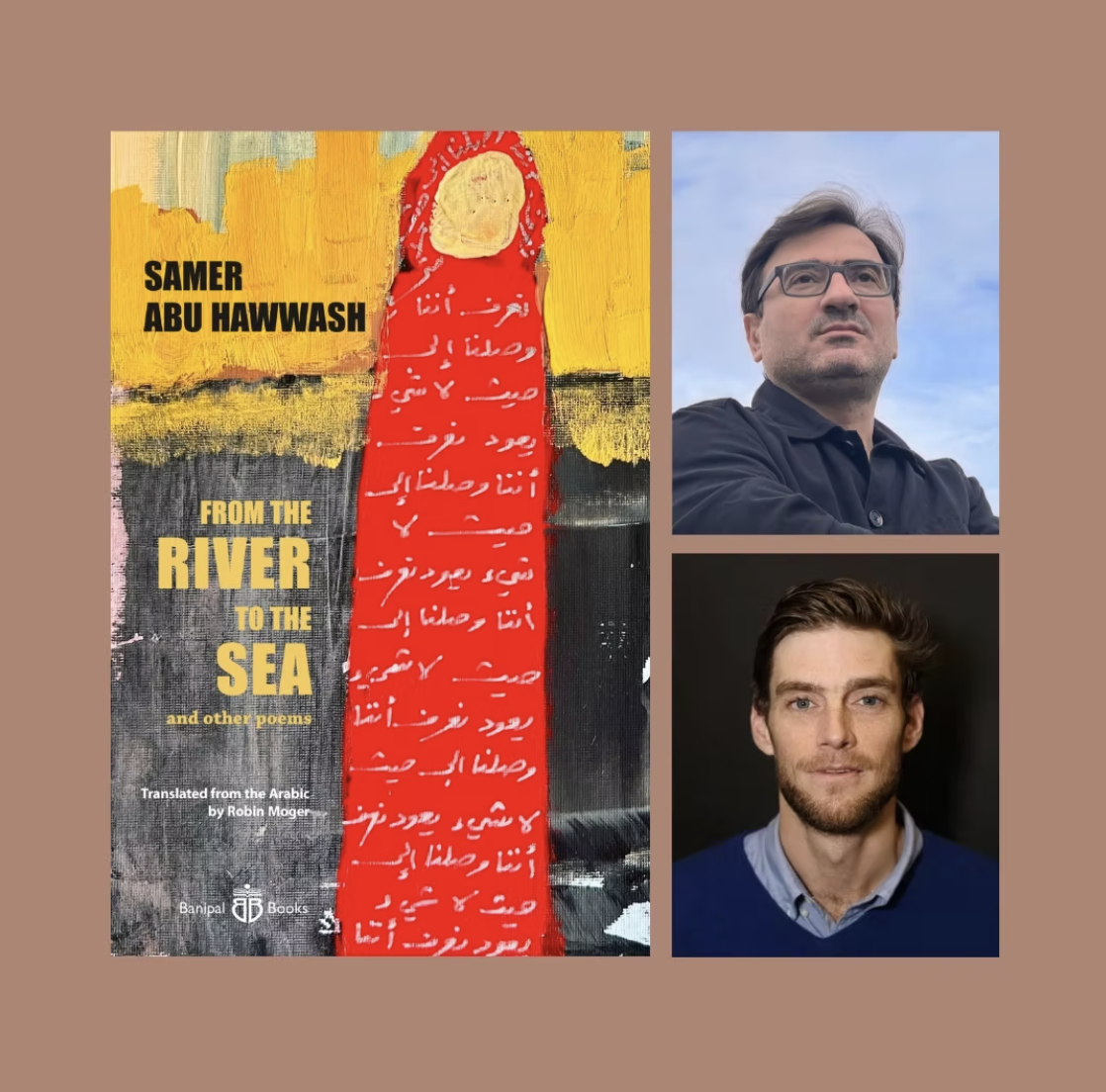
.png)


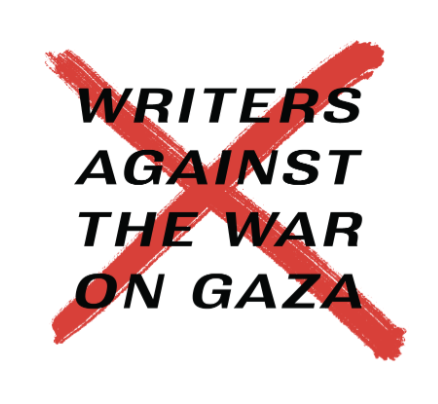
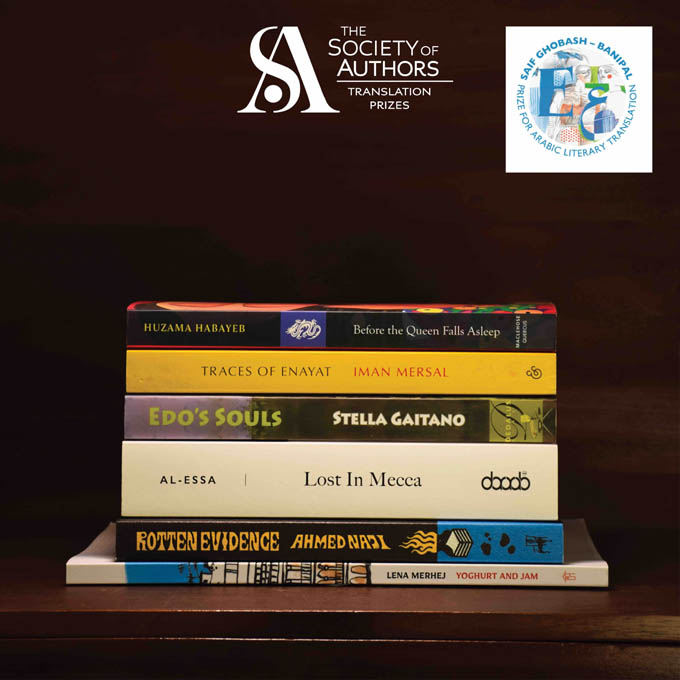

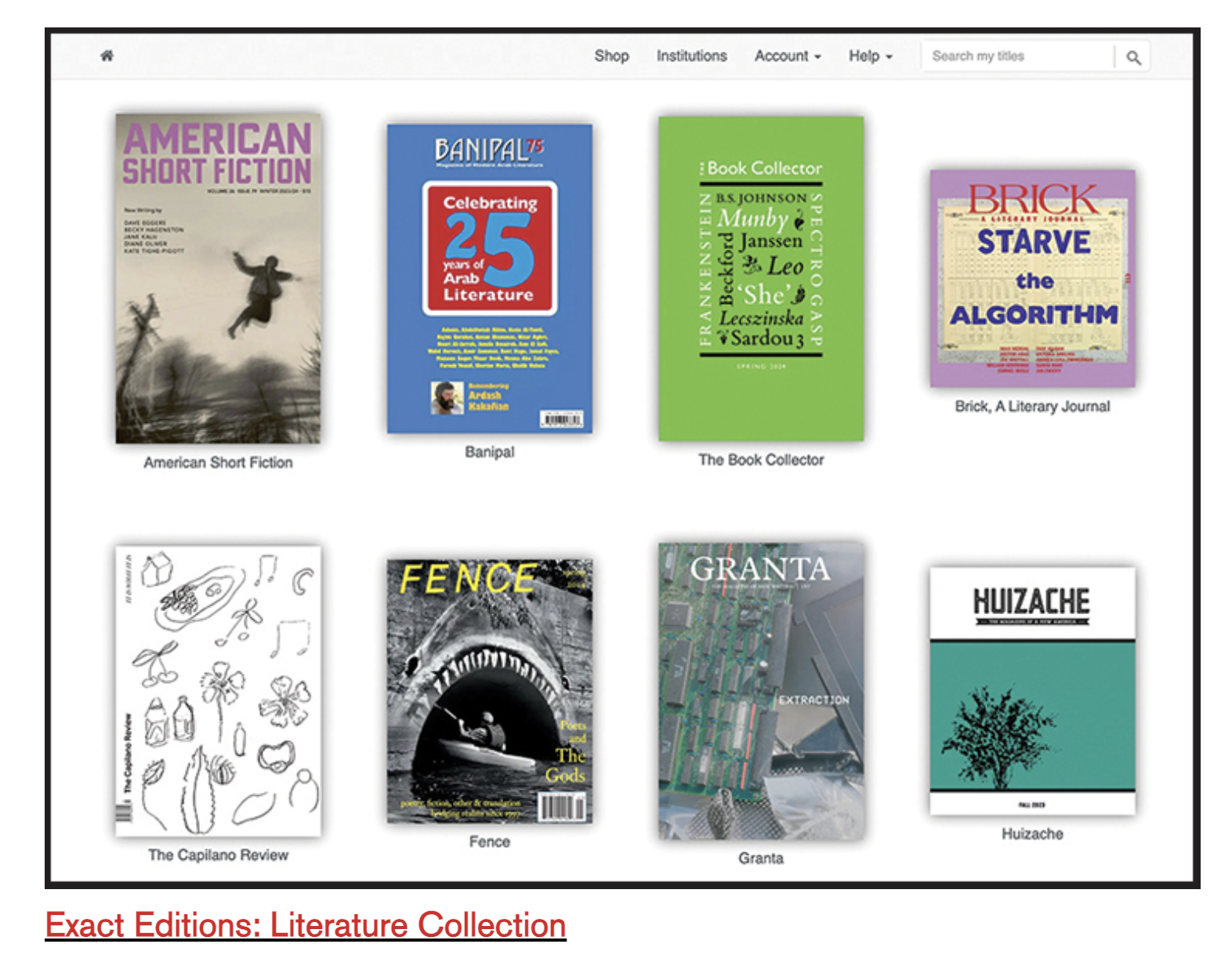
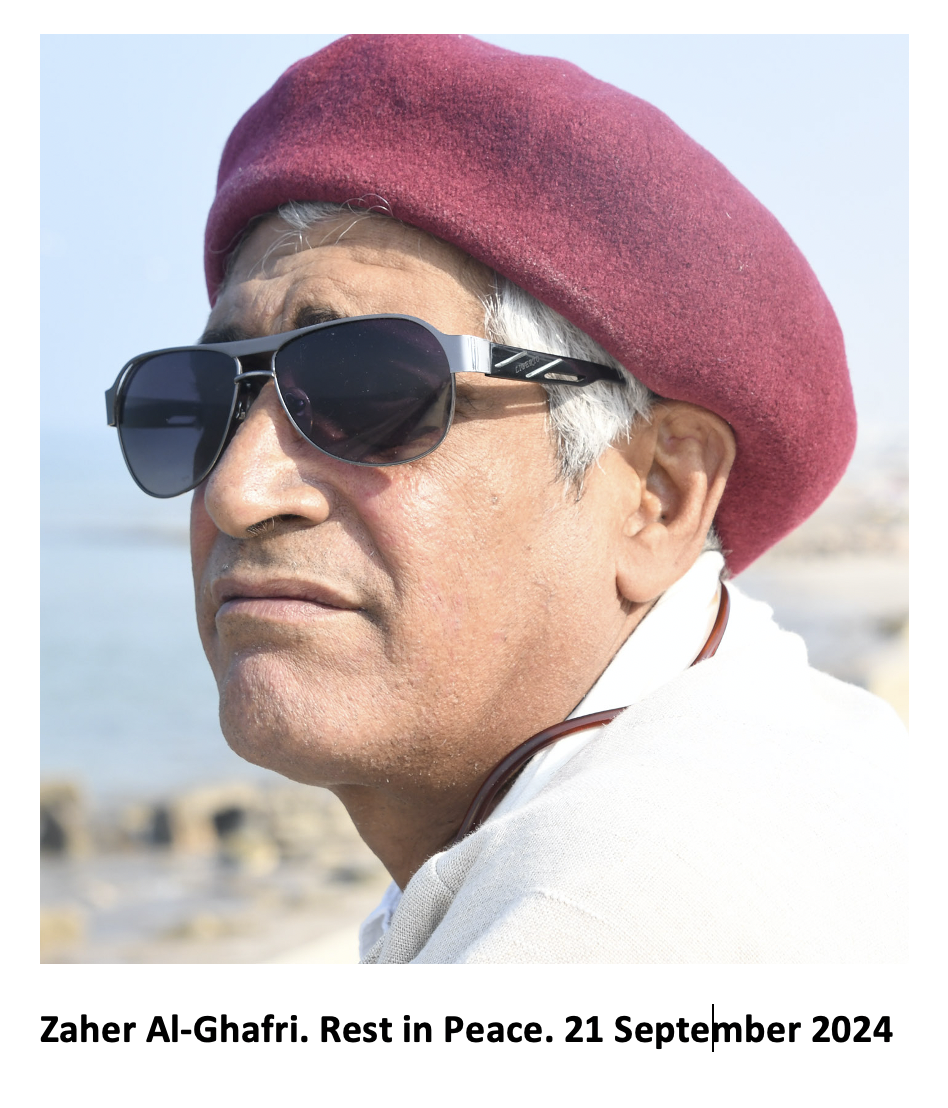
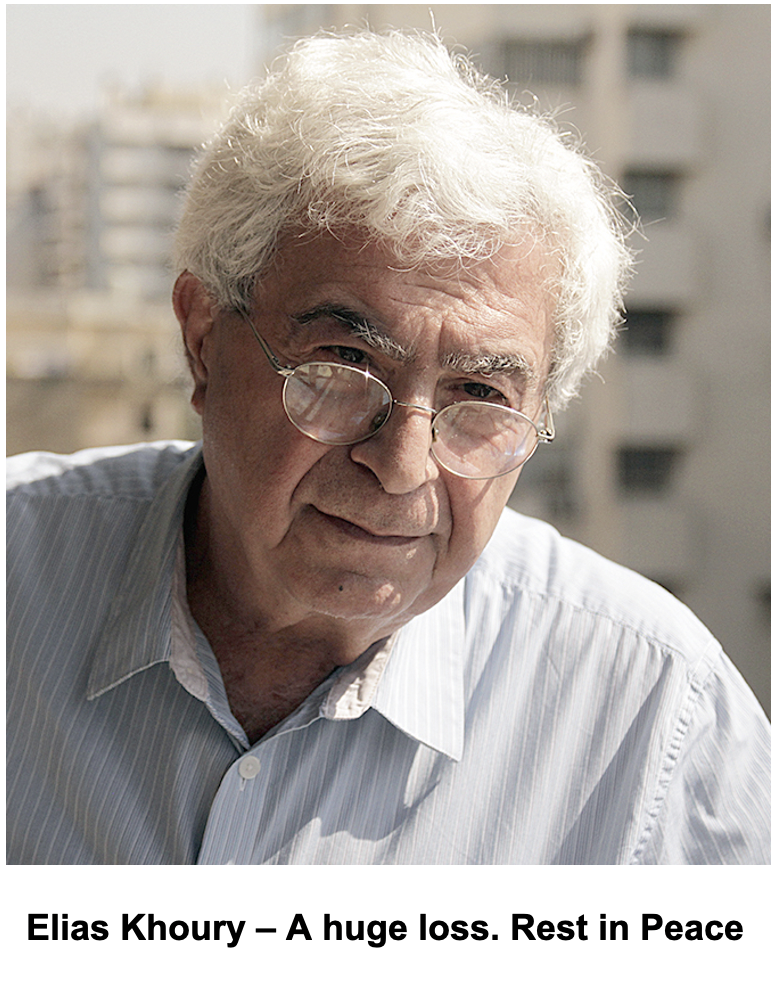
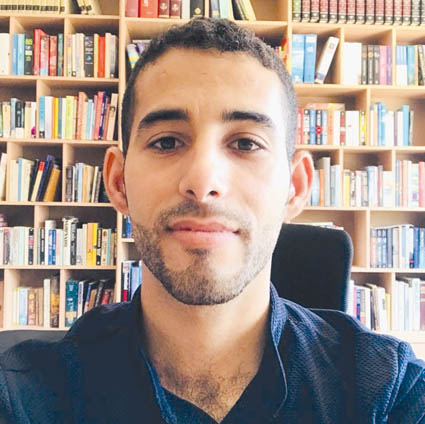
Link to poems by Mosab Abu Toha, published in Banipal 71 (Summer 2021), available to read online
Link to poem by Liana Badr published in Banipal 74, now available as an online selection



















* * *




 Reprint out now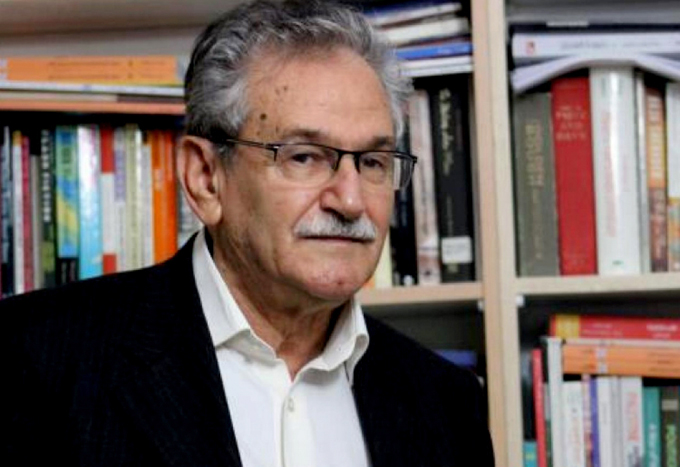
 GRIFFIN PRIZE SHORTLIST 2023
 Banipal's first audiobook