Receive Our Newsletter
For news of readings, events and new titles.

Stephanie Petit reviews
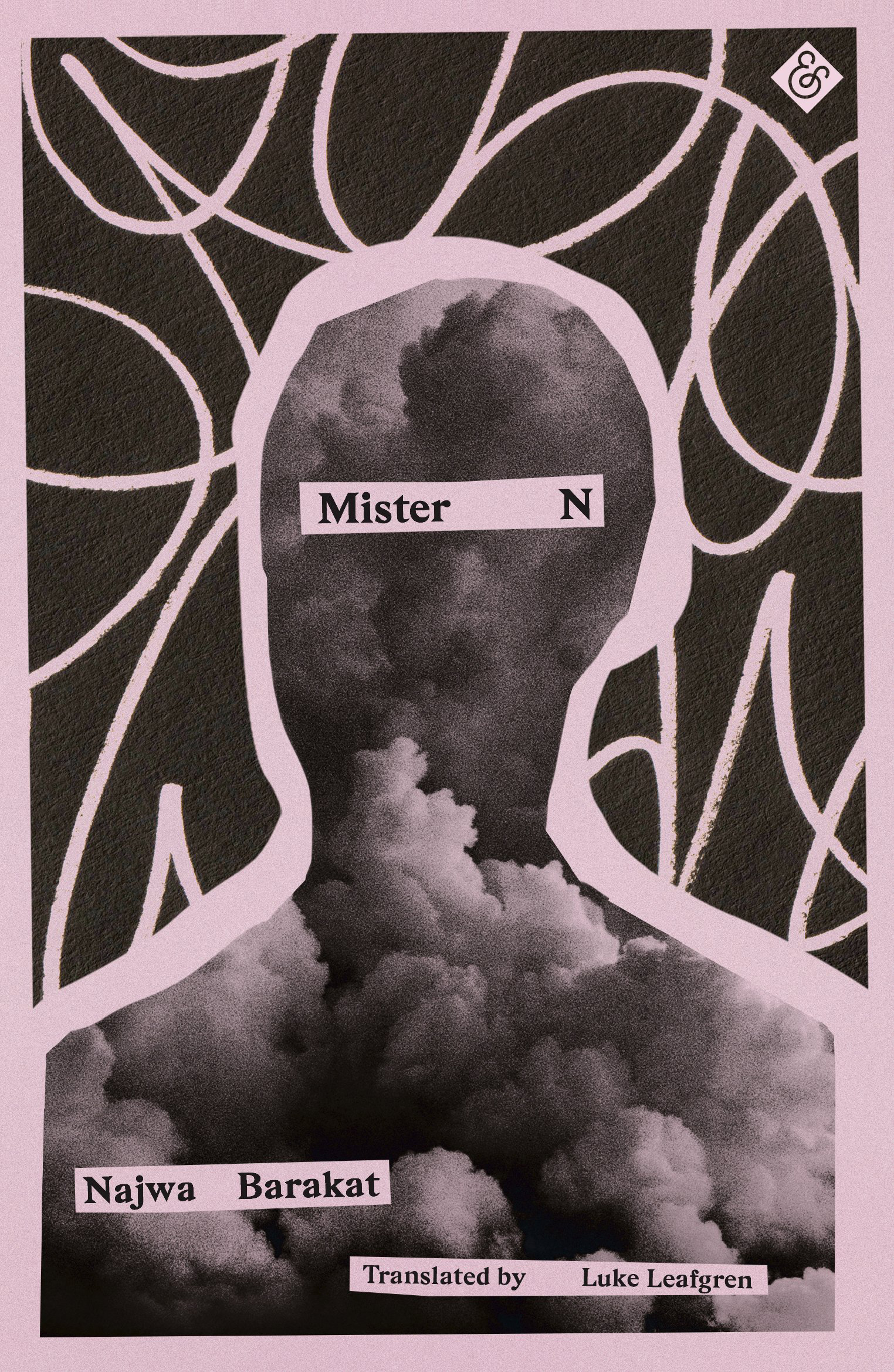 Mister N
by Najwa Barakat
Translated by Luke Leafgren
Published by And Other Stories, UK,
May 2022, ISBN 9781913505325,
Pbk, 256pp, £11.99 / $17.95
E-ISBN: 9781913505332. £8.54 / $11.49
This seventh novel of Lebanese author Najwa Barakat, Mister N, was published in its original Arabic in 2019 and has just been translated into English by Luke Leafgren. Set in contemporary Beirut (though before the 2020 port explosion and Lebanon’s subsequent economic collapse), the novel is a challenging and multi-faceted story about intergenerational trauma, the horrors of war and their effect on the emotional and psychological lives of those who bear witness to it.
The novel ostensibly centres around the titular Mr. N, a retired author. Despite being only in his fifties, N lives like a crumbling old man in a hotel room in downtown Beirut. His habits are eccentric, obsessive, and hermit-like. The only relationship with a woman he ever had ended years ago. Following a long period of creative inactivity, N takes up writing again, mainly to try to win the affection of Miss Zahra, a maid who visits him daily to serve him his meals. His writing exercises, then, facilitate a kind of self-reflection, and encourage N to rework his thoughts into some sort of order.
Before moving into the hotel, Mr. N lived in his family’s apartment in the upmarket district of Achrafieh, in a block that, rather miraculously, remained unscathed during decades of war. But it becomes unbearable to live in when, as part of the city’s post-war redevelopment, it is dwarfed by a high-rise building that is built right in front of it. The monstrous glass construction, ‘an outrage of engineering and taste’, induces in N an emotional turmoil of such sustained intensity one wonders if it is not at least in part muddled up with painful memories of his upbringing by his cold, unloving mother, Thurayya, and by the devastation of the death of his father, an eminent doctor who kills himself when N is nine years old. N’s older brother Sa‘id, ‘witty and smart’, is his mother’s favoured son, and becomes a successful businessman. Meanwhile, N, ‘silent and sulky’, grows up feeling inadequate and undeserving of his family. ‘Almost from birth I was subject to what in an adult would have been called nervous breakdowns,’ he states.
Initially, N escapes the looming tower by taking long walks through the more down-at-heel districts of Beirut. The descriptions of the city undoubtedly make up the novel’s richest and most colorful passages, and vividly portray it as a true melting pot of people: African migrants, hordes of Syrian labourers looking for jobs on street corners, market vendors selling counterfeit designer handbags alongside vegetables and fruit. Stray cats and dogs roam the labyrinthine streets made up of ‘odds and ends shops’ and religious shrines.
During one of his walks, N spots Luqman, the murderous antihero of a novel about the Lebanese civil war that N had written many years before. N attempts to make sense of the encounter, but in a way that is confused and repetitive, and that makes the reading experience difficult and occasionally tiresome. But as a truer picture emerges of N’s mental disturbance, one realises that this is of course the whole point.
N’s complex psychology is caused by a mixture of convulsive, but essentially personal, tragedies and his bearing witness to events of great historical suffering which for him have become all-consuming and too heavy to bear. He withdraws from life and, once ‘speech itself had lost its shape’, he ceases to be able to write. Without an adequate outlet for his distress, he starts wandering the streets ‘yearning for a beating’, and picks fights with thugs and other social outcasts ‘ground down by coercion and humiliation’. After a particularly savage beating that leaves him unconscious, N is rescued and taken in by a prostitute, Shaygha. Equally lost and afraid, N and Shaygha cling to each other for survival. N encourages Shaygha to run away from her ruthless pimp, Mr. Joe, which in turn has devastating consequences.
A more detailed discussion of the layered plot of Mister N would only spoil it for new readers. But suffice to say that in it the reader becomes immersed in the kind of extremity of human experience that is profoundly haunting. Suicide permeates the novel (in addition to his father’s death, N witnesses the assisted suicide of his neighbour, Maryam, a Syrian woman whose husband and children were killed by a barrel bomb). Other survivors of war, meanwhile, ‘howl like wolves, or like wounded animals in a cage’. Only towards the end of the book is the confused, self-contradictoriness of the first half made clearer, as if a mist that has cloaked the story is gradually lifted (the ending, it must be said, is wholly unexpected and baffling, and poses as many questions as it answers). Considering the difficulty of the text, translating it could not have been an easy task. Kudos should be awarded to Luke Leafgren, a former winner of the Saif Ghobash Banipal Prize for Arabic Literary Translation, for his dedication in translating it so faithfully, though, in my view, sometimes at the expense of the kind of linguistic domestication from which it would have benefitted. Despite its flaws, however, Mister N is an interesting novel that is well worth reading. For those who love an unreliable narrator as much I do, it has plenty of intrigue to capture one’s attention throughout.
PS: We look forward to a forthcoming third novel of Najwa Barakat’s being translated by Luke Leafgren, The Bus of Good People (Baas al-Awaadem, Dar al-Adab, 1996), for which the Lebanese Cultural Forum in Paris awarded Najwa Barakat the Prize of the best literary creation of the year in 1997.
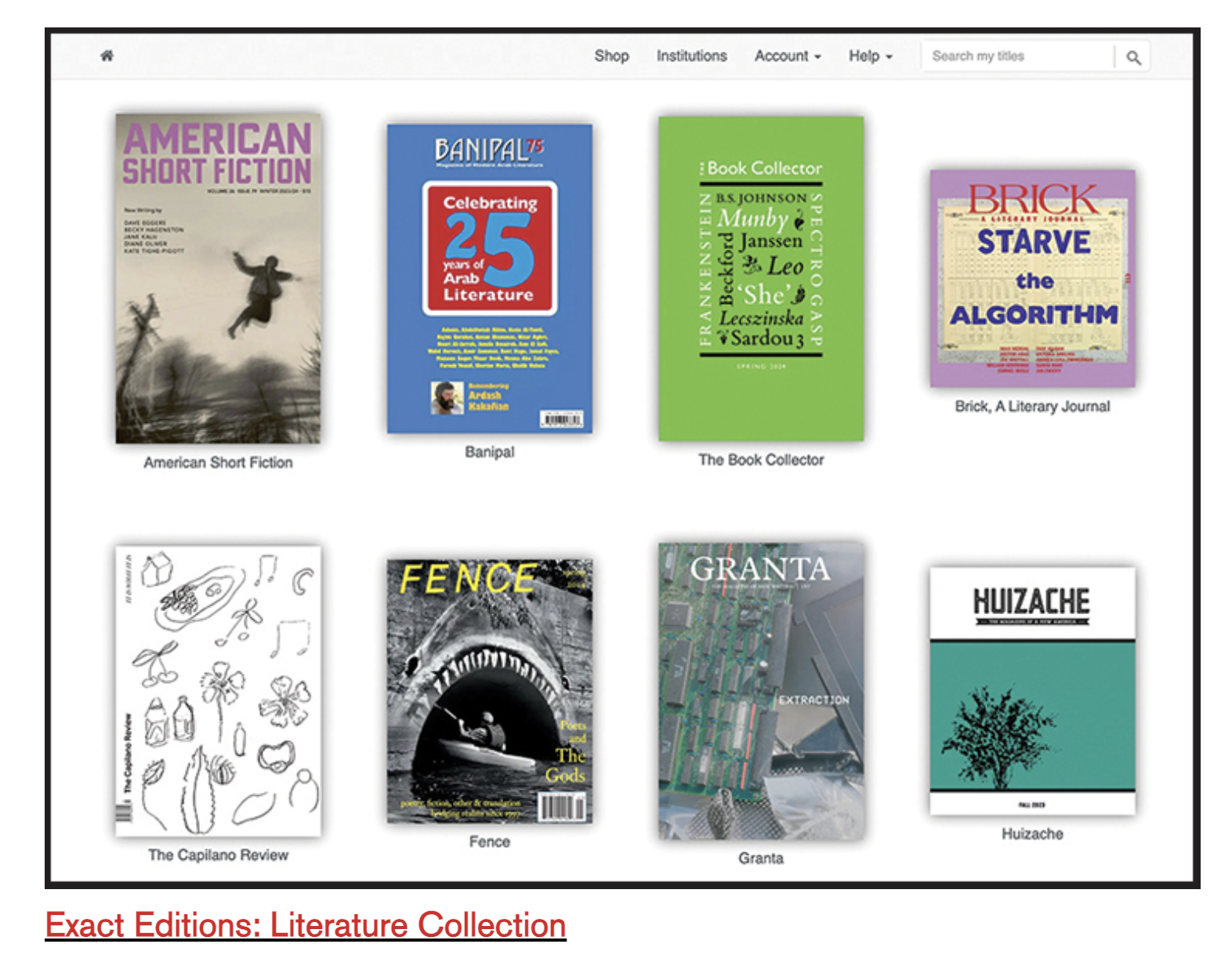
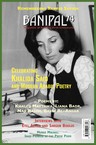
Published in Banipal 75 – Celebrating 25 Years of Arab Literature (pages 197-199)
For news of readings, events and new titles.
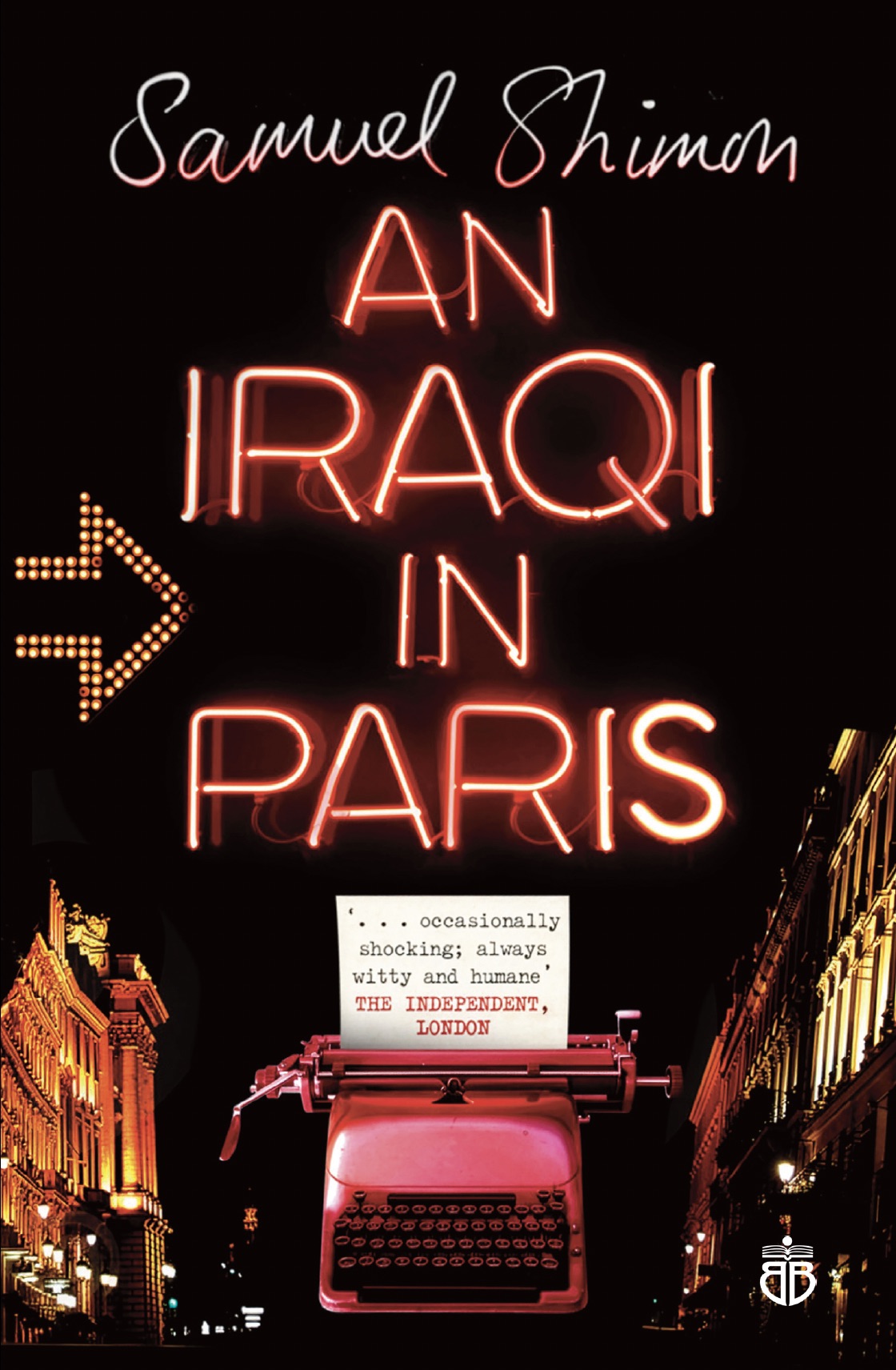
An Iraqi in Paris by Samuel Shimon
The Cinderellas of Muscat by Huda Hamed (Banipal Books, 2025)
The Tent Generations
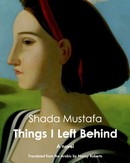
Things I Left Behind by Shada Mustafa, translated by Nancy Roberts
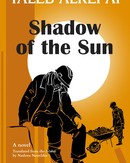
Shadow of the Sun by Taleb Alrefai
Birds of Nabaa, A Mauritanian Tale by Abdallah Uld Mohamadi Bah
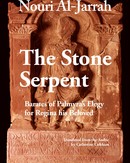
The Stone Serpent, Barates of Palmyra’s Elegy for Regina his Beloved by Nouri Al-Jarrah
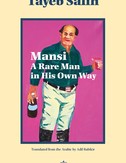
Mansi A Rare Man in His Own Way by Tayeb Saleh (Banipal Books, 2020)
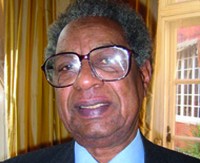
Tayeb Salih
Goat Mountain by Habib Selmi
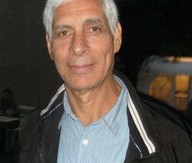
Habib Selmi, author of Goat Mountain and 3 times shortlisted for the IPAF
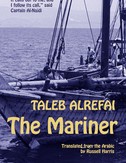
The Mariner by Taleb Alrefai (Banipal Books, 2020)
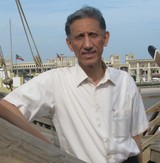
Taleb Alrefai, author of Shadow of the Sun and The Mariner

Fadhil Al-Azzawi's Beautiful Creatures by Fadhil al-Azzawi (Banipal Books, 2021)
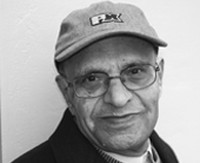
Fadhil al-Azzawi
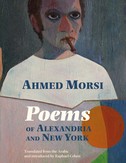
Poems of Alexandria and New York by Ahmed Morsi (Banipal Books, 2021)

Saïd Khatibi
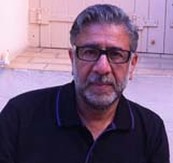
Amjad Nasser (1955–2019)
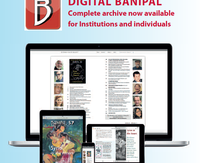
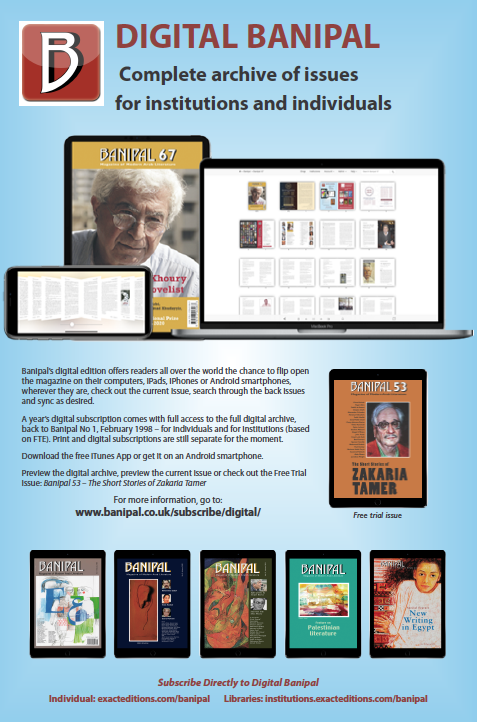
Digital Banipal the full archive
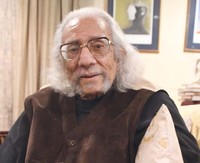
Ahmed Morsi, author of Poems of Alexandria and New York
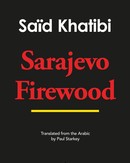
Sarajevo Firewood
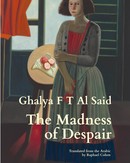
The Madness of Despair
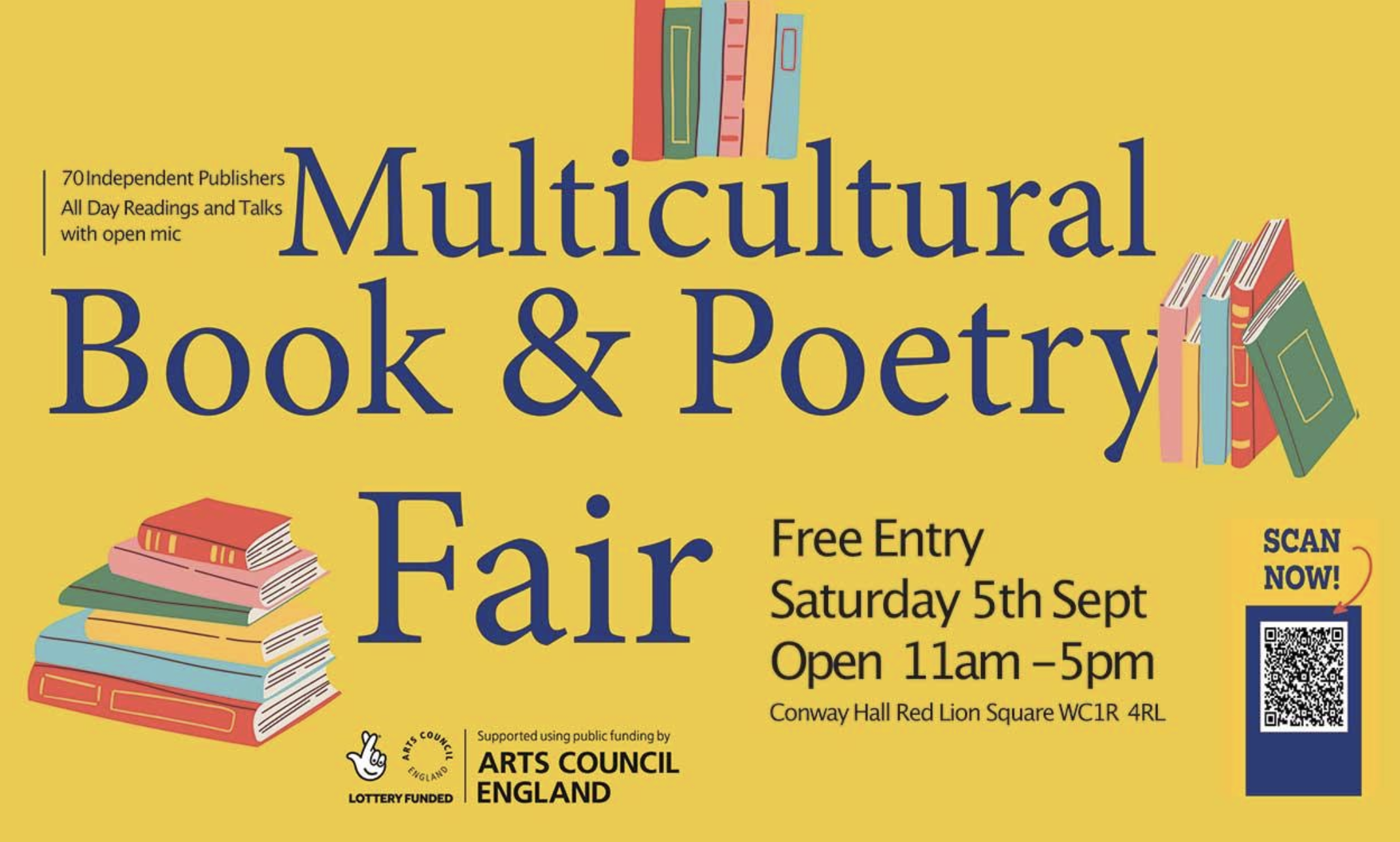

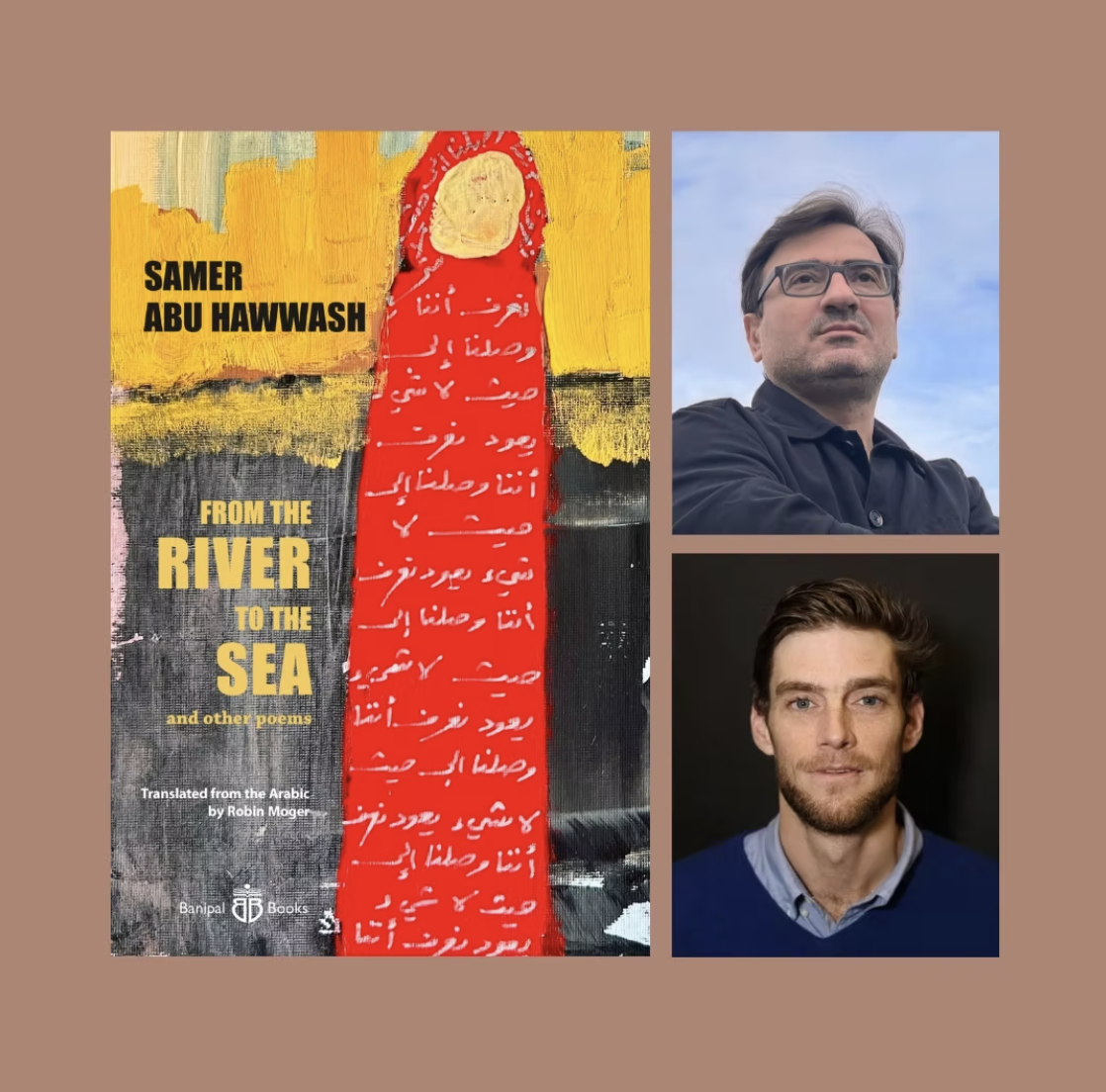
.png)

Link to poems by Mosab Abu Toha, published in Banipal 71 (Summer 2021), available to read online
Link to poem by Liana Badr published in Banipal 74, now available as an online selection











* * *

 Reprint out now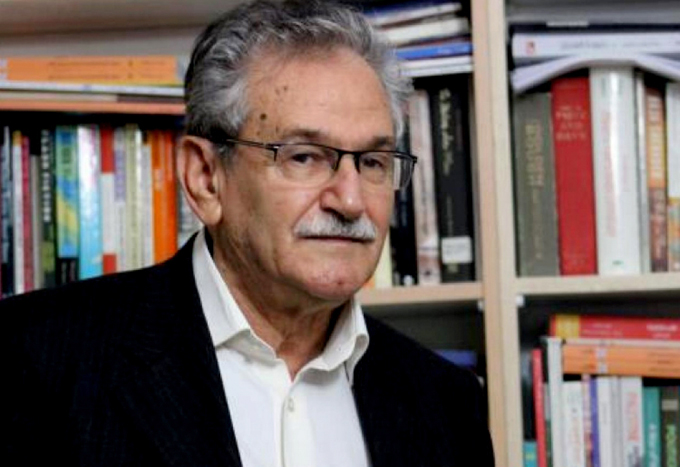
 GRIFFIN PRIZE SHORTLIST 2023
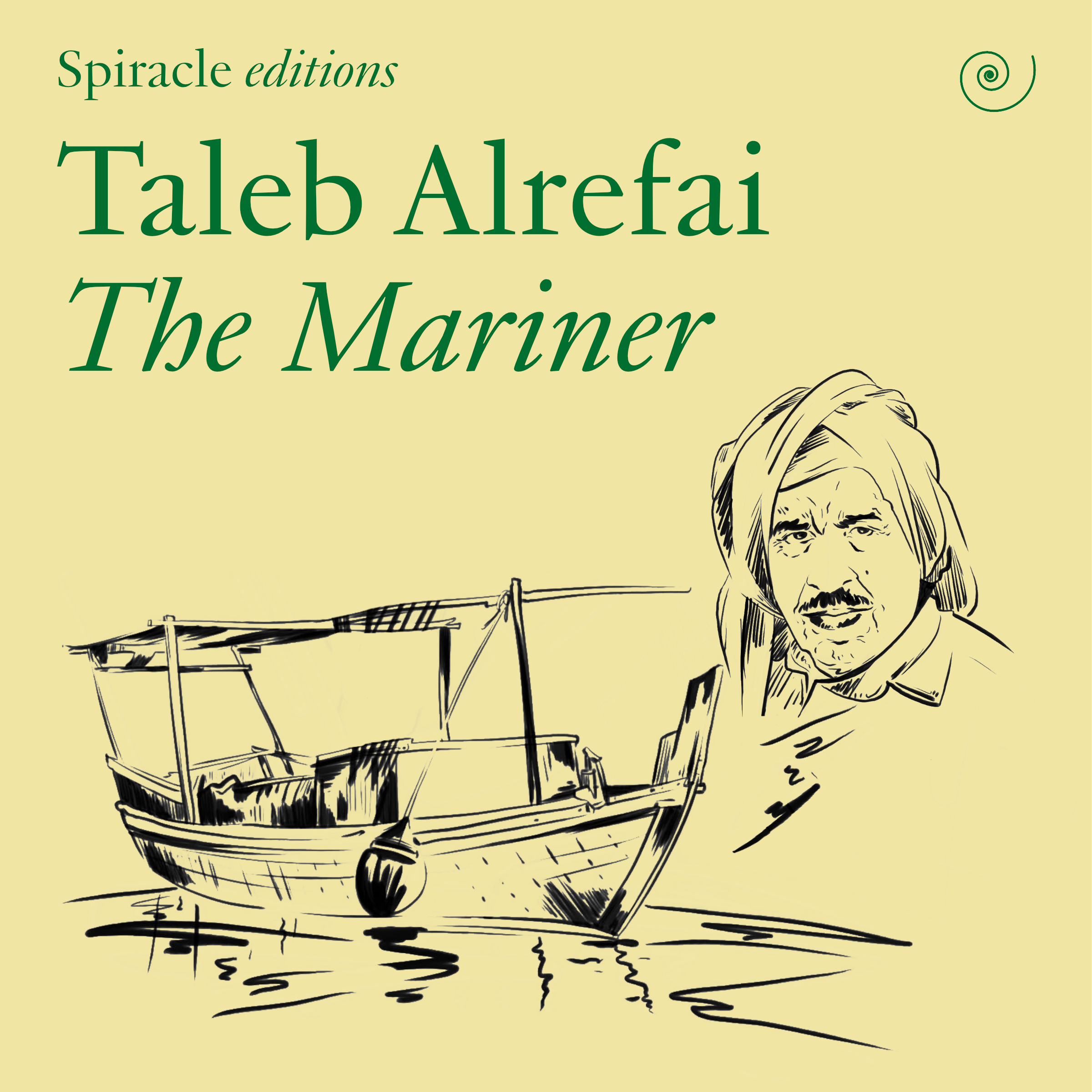 Banipal's first audiobook