Receive Our Newsletter
For news of readings, events and new titles.

 Mama Hissa’s Mice
The above, one of many timeless adages uttered by the eponymous protagonist of Saud Alsanousi’s Mama Hissa’s Mice, salutes the reader scarcely one-eighth of the way through the novel’s 370-odd pages. Unusually for its genre, this dense, arresting Kuwaiti bildungsroman – a rumination on friendship, rebellion and sectarianism, but also a troubled love letter to the author’s place of birth – delivers its most critical lessons at the beginning of the narrative rather than at the close. What makes the book so painful is its subsequent, clear demonstration of how quickly these lessons can be forgotten.
Saud Alsanousi’s fourth novel was published in English late last year, almost half a decade after the tremendous success of his debut in English, The Bamboo Stalk (2015): a study on identity and domestic servitude in the Arab world, with its Arabic original winning the International Prize for Arabic Fiction in 2013, and Jonathan Wright winning the 2016 Saif Ghobash Banipal Prize for its English translation. Despite the still-young writer’s prestige at home – The Bamboo Stalk also won the Kuwait State Prize for Letters in 2012 – Mama Hissa’s Mice was banned in Kuwait after its publication in 2015 and remained so for years, until Alsanousi successfully sued the censors.
This was particularly ironic in light of the frame story of Mama Hissa’s Mice. The novel covers a period of more than 40 years in Kuwait, from the 1979 Islamic Revolution in Iran, to the 1990 Iraqi invasion, to the post-9/11 years, and finally to a feverish, infernal near-future in which Kuwait is burning in the throes of all-out sectarian warfare. Its events are narrated solely by a man using his childhood nickname “Katkout”, in the form of both contemporaneous missives from the nightmare-present and extracts from Katkout’s memoir, Inheritance of Fire – from which, we learn, he has already excised four chapters due to censorship by the Ministry of Information. The version of events we have before is therefore a curated one: just, it transpires, like the narratives its characters were force-fed from childhood.
At the outset of Mama Hissa’s Mice, Katkout wakes up bruised and bloodied, his car windscreen smashed, to a deluge of missed calls and an all-pervasive stench that we and he come to associate with the “giant ashtray” of present-day Kuwait. Knowing the violence around him is escalating, Katkout resolves to find his two oldest friends, Fahd and Sadiq, who have gone missing in the carnage. Together with a scattering of allies the three childhood companions have been operating a protest group, Fuada’s Kids, whose humanist broadcasts have provoked the murderous ire of Sunni and Shia listeners alike. How and why they came to commit this transgression, though, is a longer story. Katkout’s traversal of this blasted landscape in search of his friends thus also compels him to scry through their shared past: one summoned up, moment to figurative moment, in chapters lifted from Inheritance of Fire.
These historical scenes constitute the bulk of the novel and offer a redolent portrait of quotidian life in Kuwait as it unfolded for these three characters, growing up in three households of different ideological and religious affiliations over several decades. “My childhood is tattooed on the innermost part of me,” Katkout observes, “while all other memories are fleeting.” So too it appears to be for Alsanousi, whose painstaking attention to detail – from scrubbed courtyards to Nablus soap, the scent of coconut-oiled hair to the cacophony of 1980s kids’ TV programmes – arouses a kind of meta-nostalgia even in Anglophone readers whose feet never walked the streets of Surra, and whose hands never brushed its palm-shaded façades. Home is best embodied in the figure of Mama Hissa, Fahd’s irascible grandmother, whose homespun wisdom and bedtime stories ceaselessly call Katkout back to the past.
In English, Sawad Hussain’s stellar translation also helps the foreign reader adjust to this unfamiliar domestic environment. Hussain watched hundreds of hours of Kuwaiti soap operas to familiarize herself with the dialect in the original Mama Hissa’s Mice, an effort which has ultimately paid dividends in English. The translated version is replete with discreet, Anglicized turns of phrase that make it singularly comfortable to read, even as certain words and phrases – “Alhafiz Allah”, “Yallah”, “Kish! Kish!” – are left in their original Arabic and grasped only from context, forcing us, as readers and effective house guests, to lean in.
Unfortunately, other terms are left in Arabic that lend an early sense of foreboding to Katkout’s account. The reader is introduced to Rafida: refuseniks, a derogatory term for Shia Muslims, and Nawasib, haters of Imam Ali, an insult pitched in turn at Sunnis. In his early chapters Alsanousi uses the time-worn narrative device of appraising the world through the eyes of a child – not unlike the truth-telling Majnun or madman figure of classical Arabic literature – to lay bare the absurdity and contradiction of sectarian worldviews. Everywhere the young Katkout and his friends look, they are met with examples of pointlessly divisive behaviour, beginning with playground fights over the “Sunni” or “Shia” pronunciation of a proper noun, and ending with the catastrophic violence now laying waste to Kuwait and the Arab world. Everything in the eyes of their warring fathers is symbolic – whether a portrait of Ayatollah Khomeini or Saddam Hussein gracing a wall, or whether a given type of food is “haram”. As symbols, though, they come apart easily. Mama Hissa’s Mice intimates that sectarianism is, at its core, a costume drama: to the point that all Katkout needs to cross a present-day checkpoint is to change the car radio station or put on a ring. Growing up in this circumscribed world, Katkout, Fahd and Sadiq struggle to maintain their friendships in the face of the farcical roles they are expected to play.
The hearty, enduring figure of Mama Hissa, who cheerfully disavows the entire performance, is a welcome antidote. So too are the lyrics of Abdulkareem Abdulqader, the veteran Kuwaiti singer whose songs of homeland and love burst through Alsanousi’s narrative and who, for the alienated Katkout, stands as “the voice of all Kuwait . . . [who] made you all cry, despite the dearth of daylight”. Katkout’s yearning for escapism is matched by that of Fawzia, Fahd’s aunt: an intriguing figure and quasi-love interest who occasionally rises, moon-like, above the narrative and asks Katkout to tell her stories about the celestial bodies.
Aside from Mama Hissa herself, women occupy a marginal place in the novel. As Katkout reaches puberty he is, to his dismay, barred from entering female spaces and then from seeing Fawzia: a reminder, together with Mama Hissa’s interminable anti-Jewish pronouncements, that sectarianism has long taken many different, damaging guises. One potential stumbling block in Mama Hissa’s Mice is that Alsanousi – consciously or not – has imbued most of his female characters with physical maladies and pains that look symbolic. The women grow sick, go blind, have miscarriages and die at points concurrent with the atrophy of wider Kuwaiti society, leaving them exposed to the risk of overtly simplistic, allegorical future readings.
Alsanousi also imbues his novel with social critique through appeals to the fantastic. Countless opportunists have made fortunes from ideological conflict in the Middle East, represented in this novel by Katkout’s father, who is contracted by the American army to deliver supplies during its occupation of Iraq. These people are, in the latter-day Kuwait, transformed into “corpse-catchers”: vulture-like nightmare beings that circle the devastated cities, waiting to feast on the dead. Similarly, near to the close, we are introduced to a young girl named Hissa who appears to be a reincarnation of Mama Hissa, and who Katkout, blinded by grief, very nearly allows to die in an apartment block fire.
The criticism most likely to be levelled at Saud Alsanousi’s novel is the level of demand it places on the reader. Aside from the Arabic words, Mama Hissa’s Mice is littered with ciphers that only those intimately familiar with contemporary Arab history and culture will be able to fully grasp: figures, for instance, such as Hayat al Fahad and Mus’ab bin Umair, or local delicacies such as achar. In fairness, though, this readerly confusion can easily be overcome with recourse to a search engine, and Alsanousi’s relentless, driving narrative is scored through with heartening instances of human goodness and creativity that sustain us through to the close. Through its warped chronology, Mama Hissa’s Mice insists, over and over, that the gestures of the present will shape the landscape of the future. Ultimately it is a fraught triumph that deserves every bit the recognition of its predecessor The Bamboo Stalk.
Published in Banipal 69, Autumn/Winter 2020
For news of readings, events and new titles.
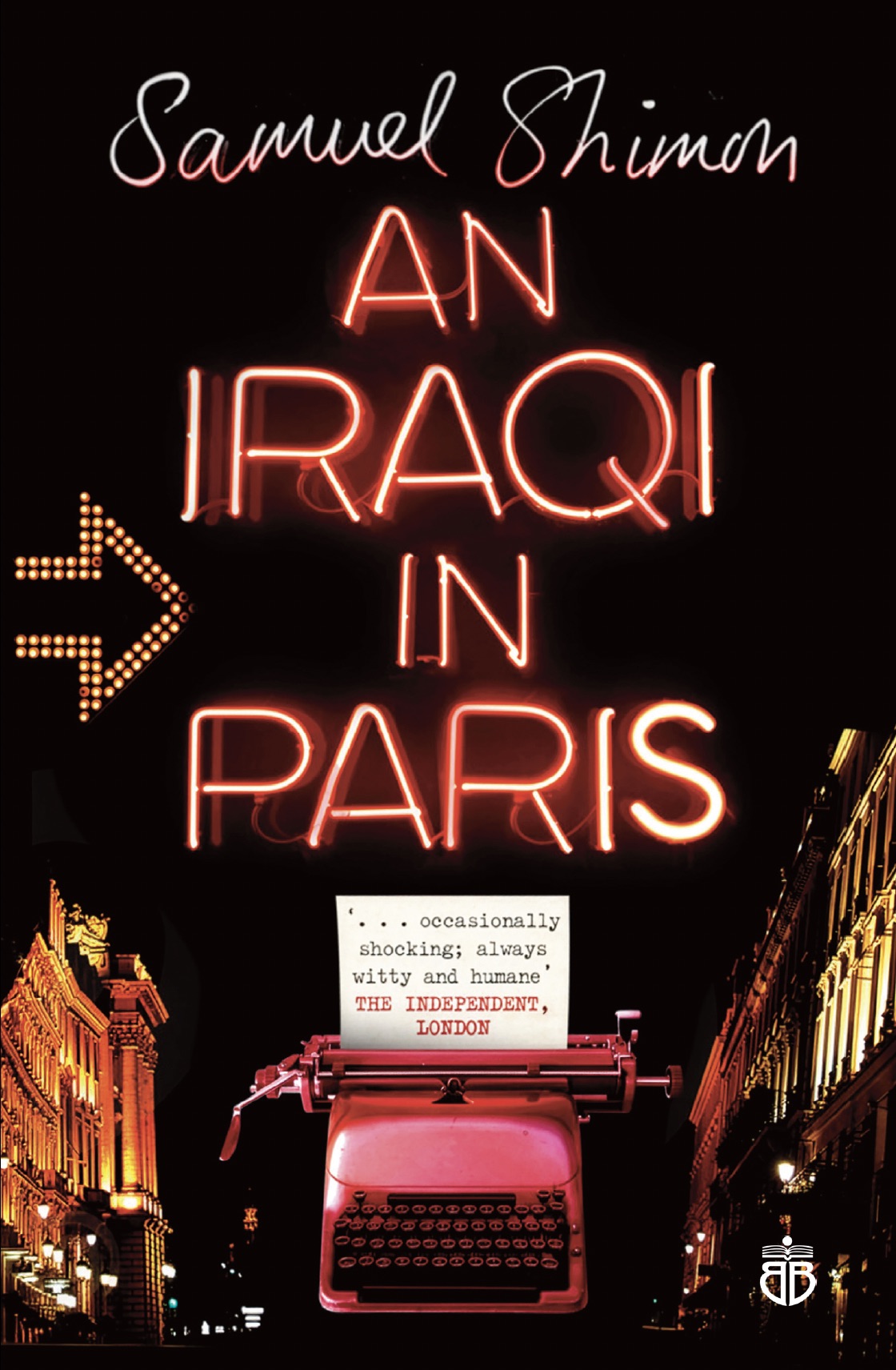
An Iraqi in Paris by Samuel Shimon
The Cinderellas of Muscat by Huda Hamed (Banipal Books, 2025)
The Tent Generations
Things I Left Behind by Shada Mustafa, translated by Nancy Roberts
Shadow of the Sun by Taleb Alrefai
Birds of Nabaa, A Mauritanian Tale by Abdallah Uld Mohamadi Bah
The Stone Serpent, Barates of Palmyra’s Elegy for Regina his Beloved by Nouri Al-Jarrah
Mansi A Rare Man in His Own Way by Tayeb Saleh (Banipal Books, 2020)

Tayeb Salih
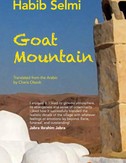
Goat Mountain by Habib Selmi

Habib Selmi, author of Goat Mountain and 3 times shortlisted for the IPAF
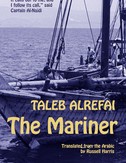
The Mariner by Taleb Alrefai (Banipal Books, 2020)

Taleb Alrefai, author of Shadow of the Sun and The Mariner
Fadhil Al-Azzawi's Beautiful Creatures by Fadhil al-Azzawi (Banipal Books, 2021)

Fadhil al-Azzawi
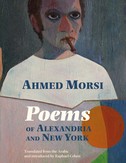
Poems of Alexandria and New York by Ahmed Morsi (Banipal Books, 2021)

Saïd Khatibi
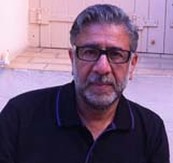
Amjad Nasser (1955–2019)

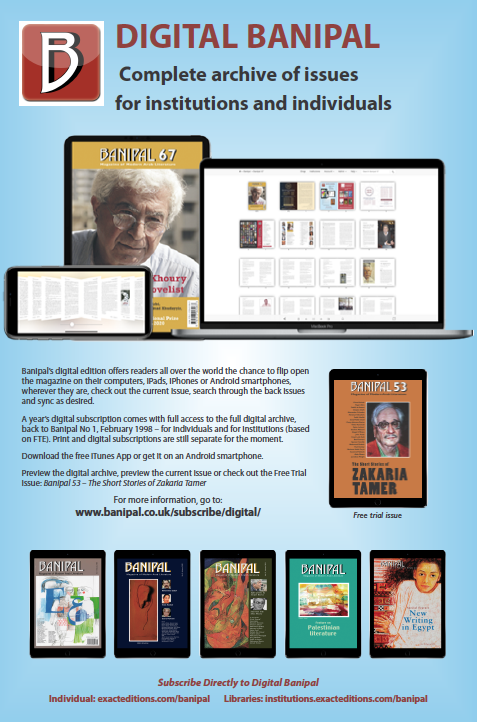
Digital Banipal the full archive

Ahmed Morsi, author of Poems of Alexandria and New York

Sarajevo Firewood
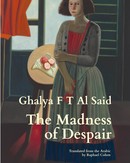
The Madness of Despair


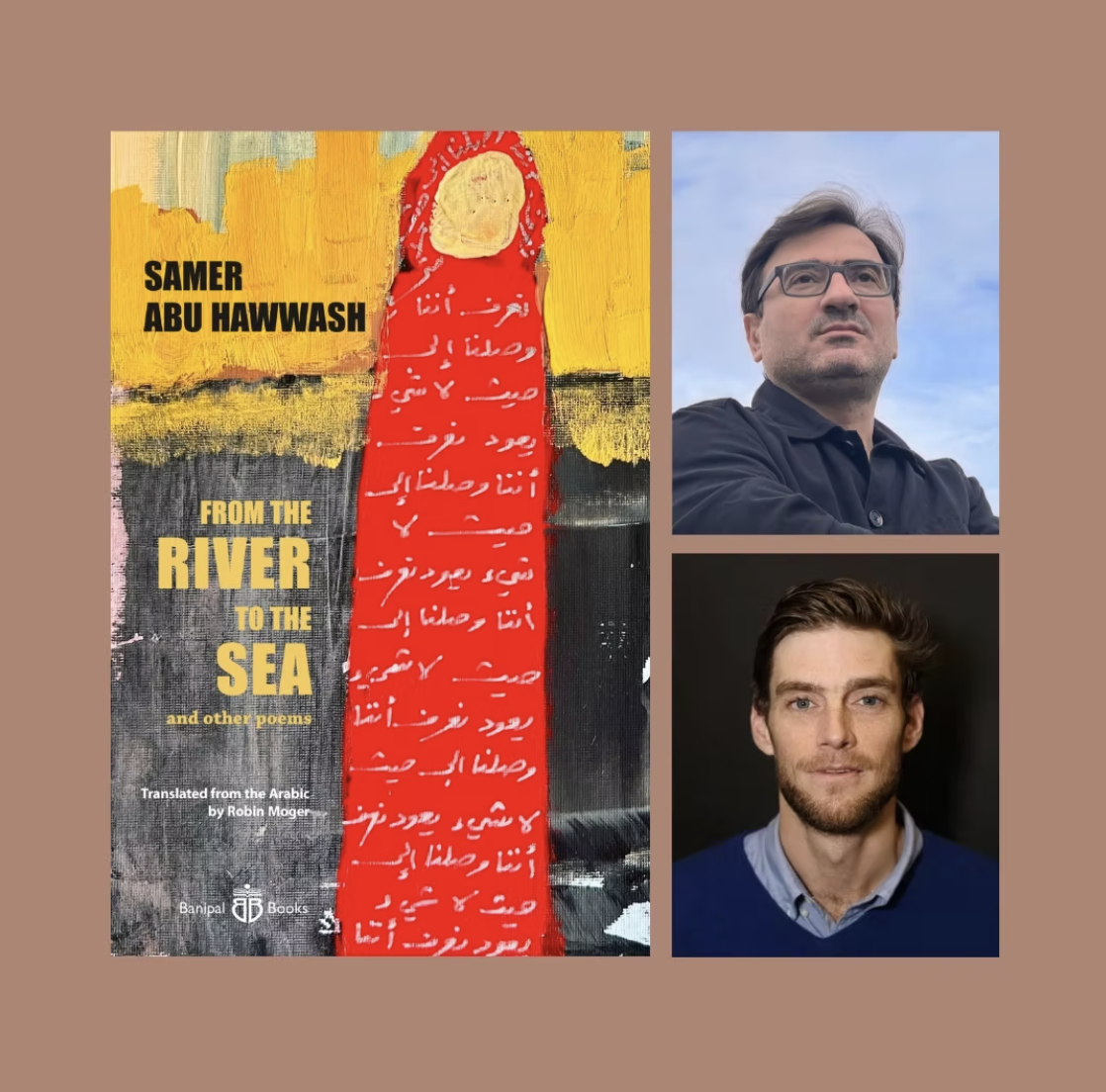
.png)

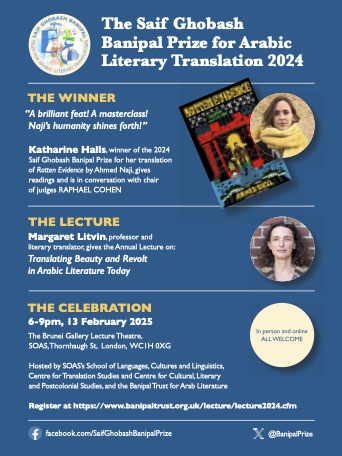
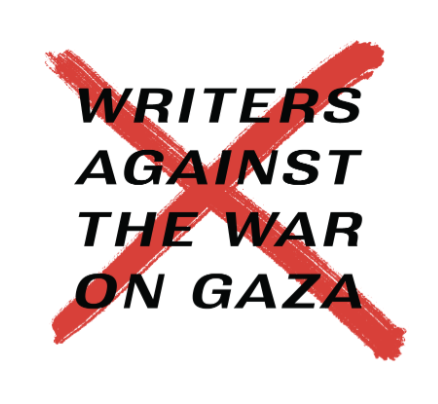
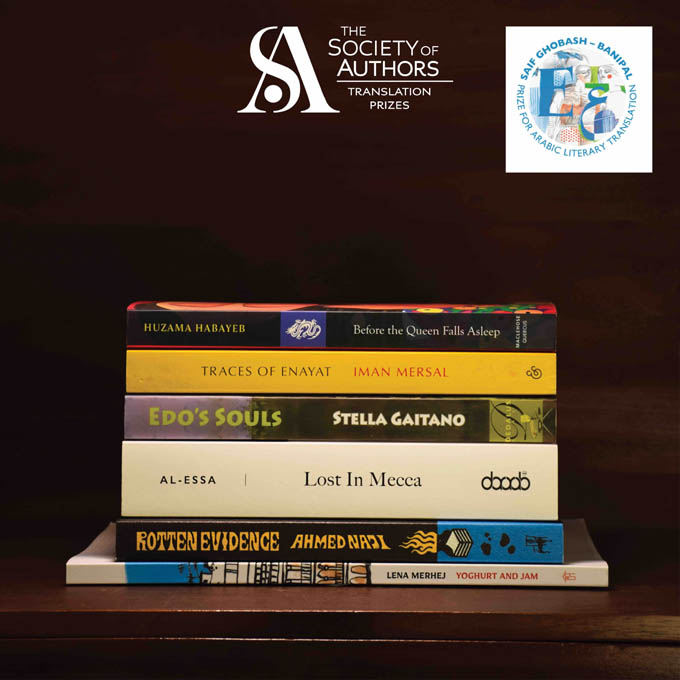

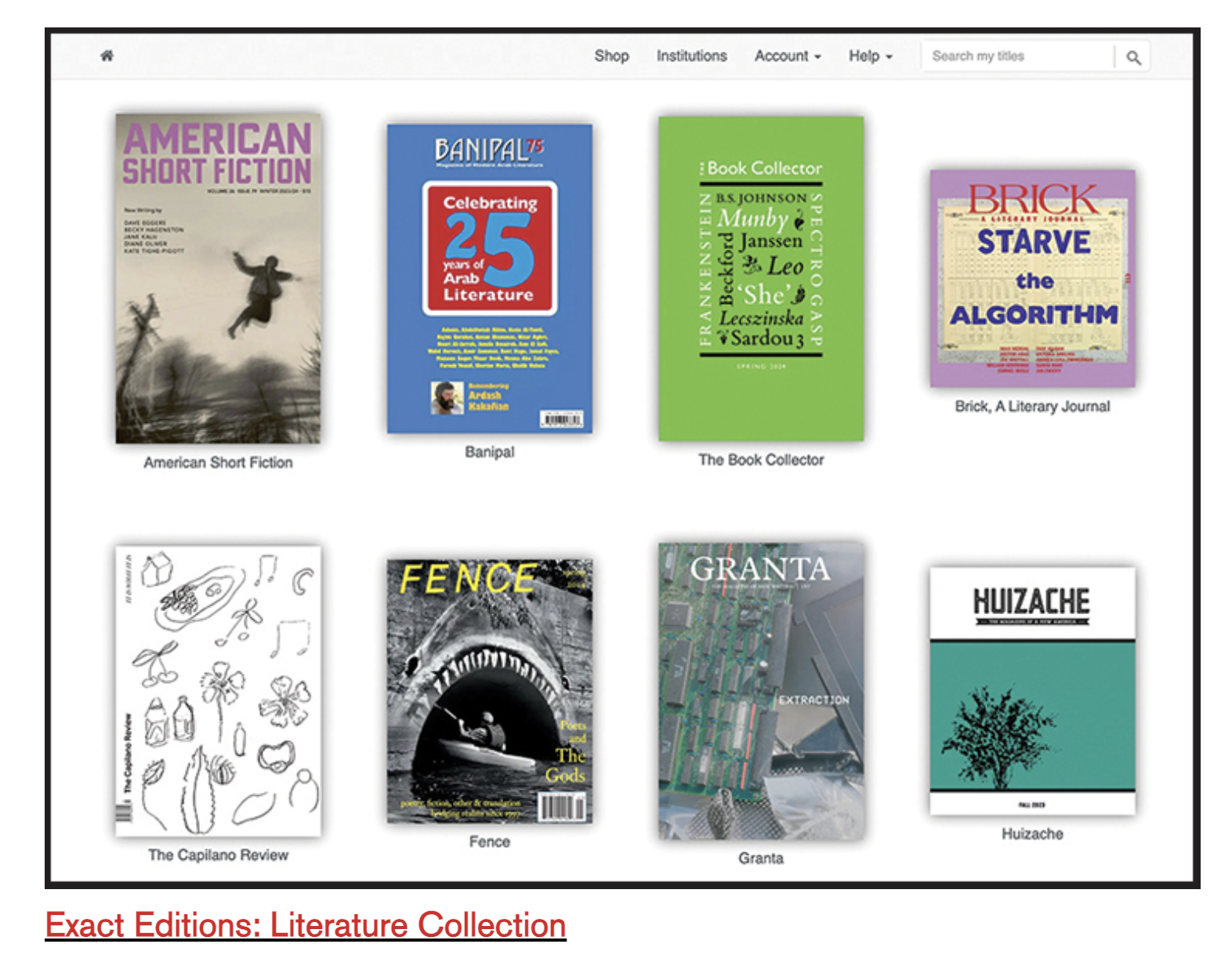
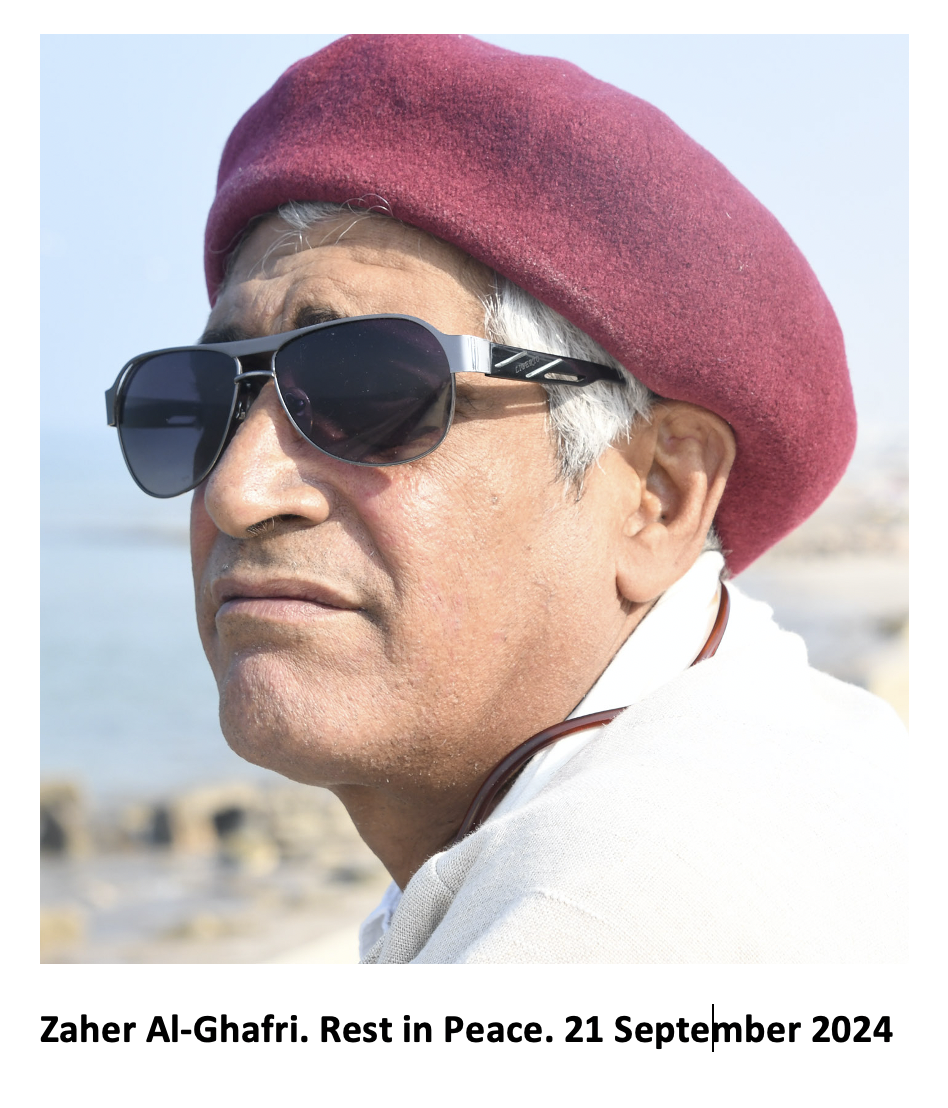
Link to poems by Mosab Abu Toha, published in Banipal 71 (Summer 2021), available to read online
Link to poem by Liana Badr published in Banipal 74, now available as an online selection













* * *

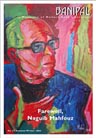
 Reprint out now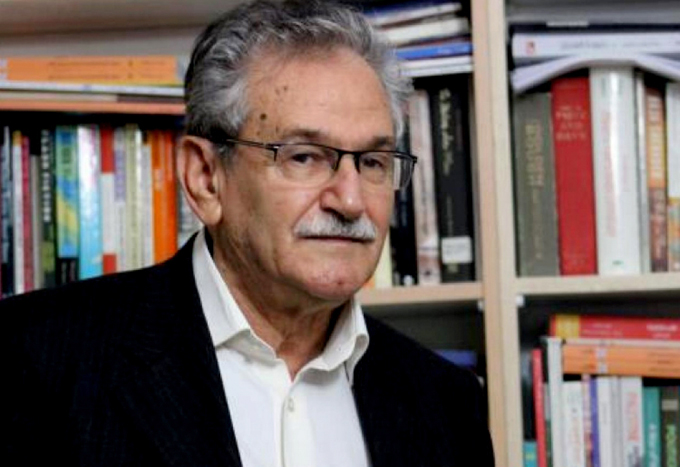
 GRIFFIN PRIZE SHORTLIST 2023
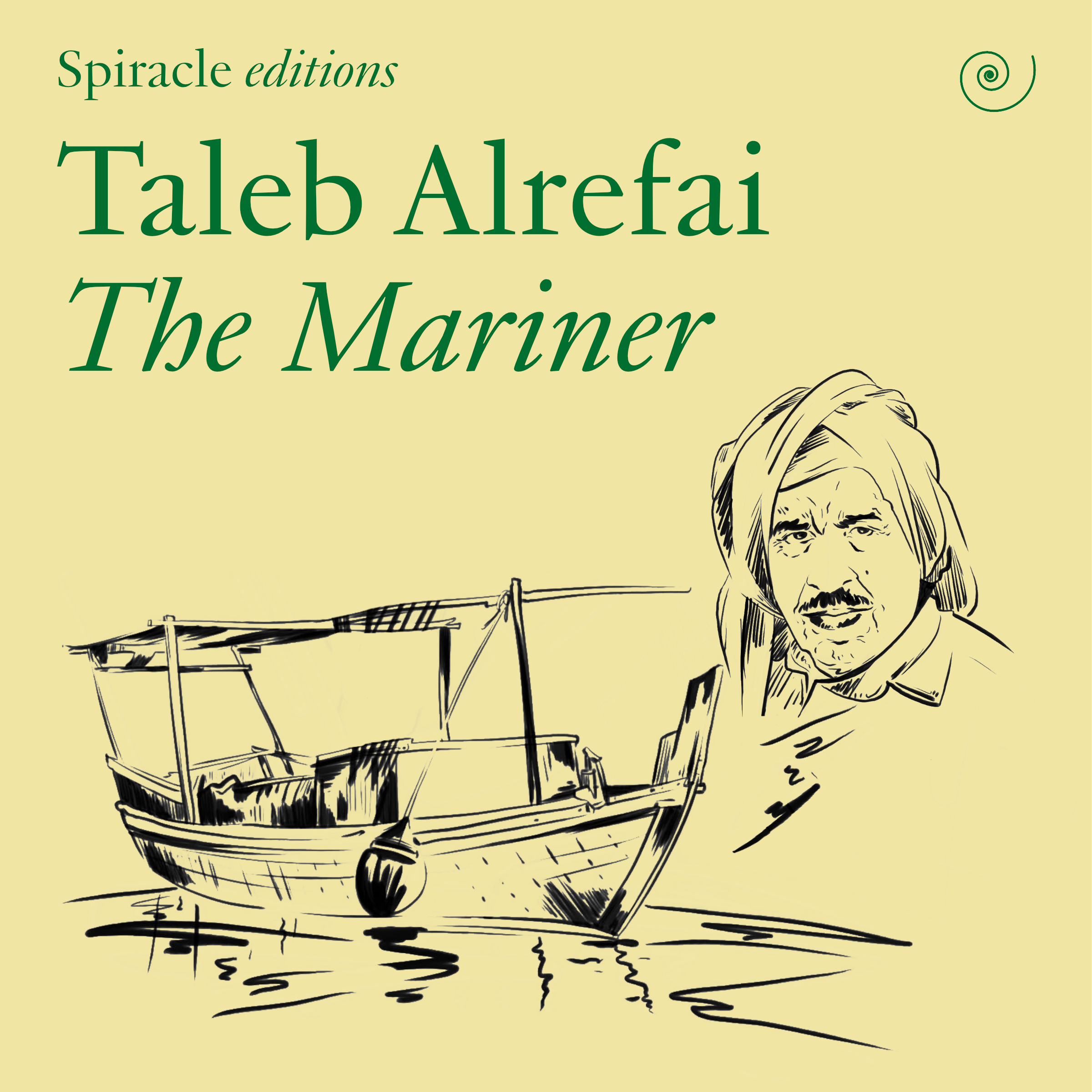 Banipal's first audiobook