Receive Our Newsletter
For news of readings, events and new titles.
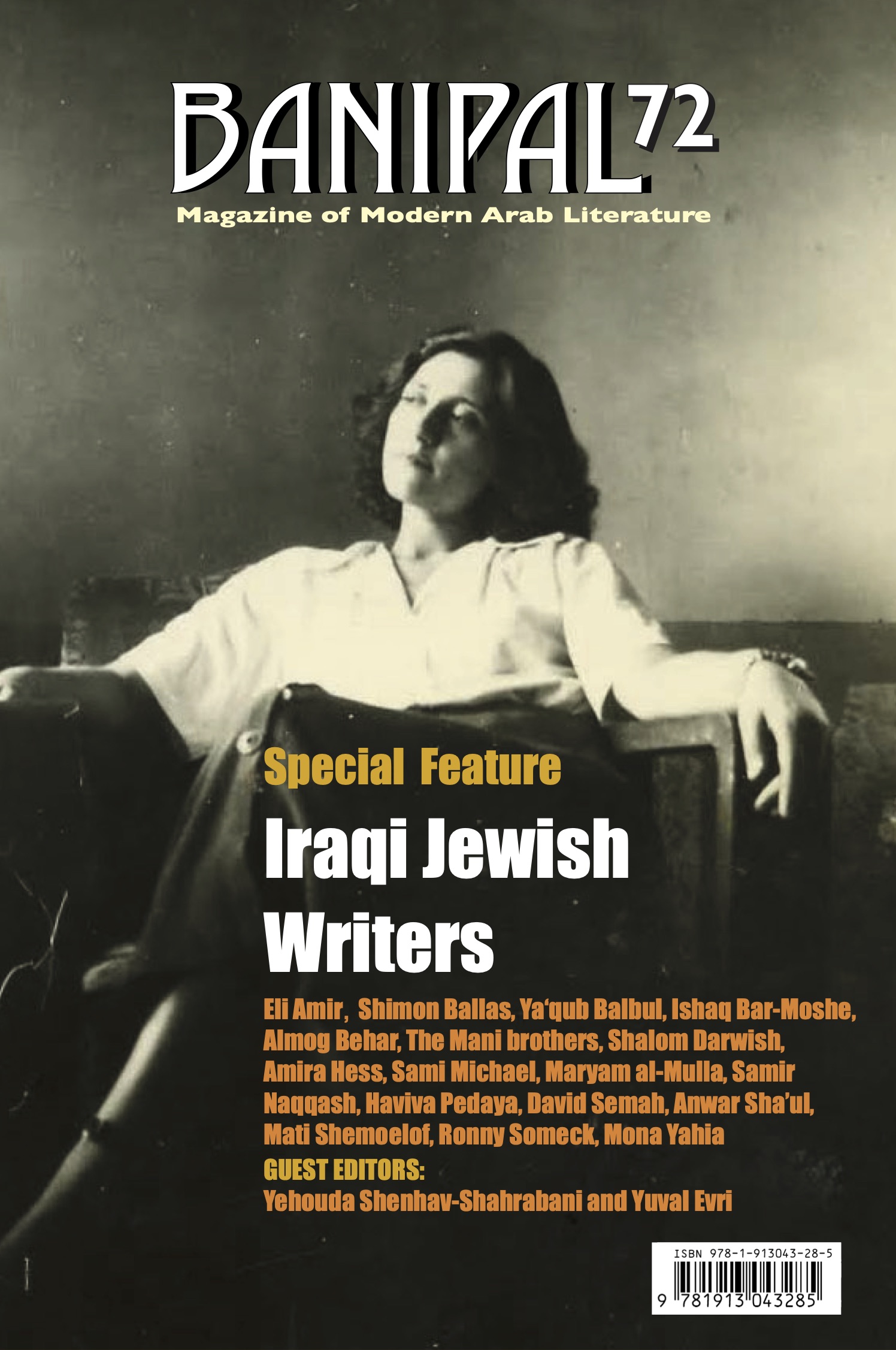
Forced to leave Iraq
11
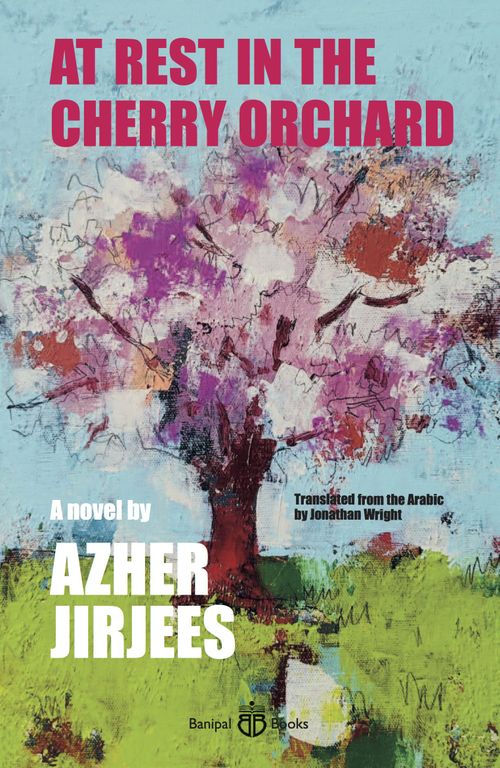
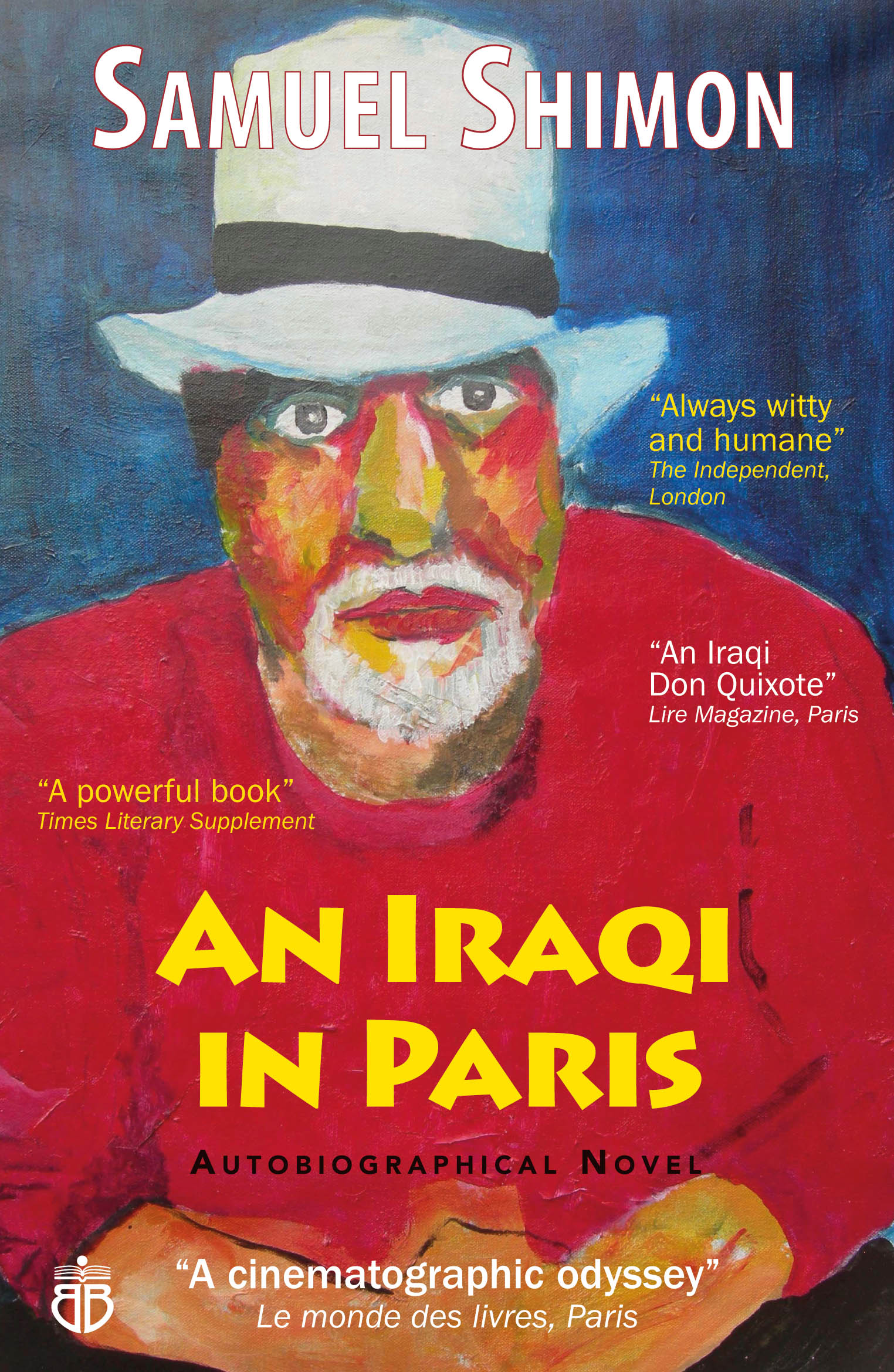
In the distance I could see my mother standing at the bus stop. She was wearing an abaya and watching the road. She had sneaked over the roof into the home of our neighbour, Hajj Zaini, and then out of their back door to the street. Then she walked towards the main street till she reached the bus stop. When she saw me, she grabbed my hand and pulled me aside. Breathlessly, she told me they were looking for me and she had chosen this secret route for fear they might follow me and grab me, and that I had to hide immediately. I didn’t understand a thing she said. She was gripped with fear like an animal pursued by a marauding tiger. She was so frightened she couldn’t even complete her sentences properly. All I could hear was the sound of her heart beating. I urged her to calm down and explain what was going on. Who are these people who were looking for me? Why should I hide when I hadn’t done anything to justify such alarm? She pretended to calm down, but to no avail. Her heart was still beating like a drum and her lips were trembling like a butterfly’s wings. In the end I gathered that a posse of security men had raided the house looking for me and they still hadn’t left the lane. That busybody had recorded my voice on a device hidden in his jacket pocket and handed it to the security people, so now I was a wanted man because of a silly joke. I suggested my mother go home discreetly, and I fled immediately to Uncle Ibrahim’s house. As soon as I got there, I told Jalal what had happened and asked him to keep it a secret, for fear that Papa Aflaq might find out and hand me over to the police in chains.
Midnight came and I slipped back home. I found Mother crying at the door, afraid and uncertain what the future held for me. Almost in a whisper, she said they would come back for me and wouldn’t give up. She had a mother’s certainty that the noose would tighten and I was bound to fall into their hands, like a mouse in a trap. At the time I wasn’t as worried about what had happened, or would happen, as I was about the state my mother was in. What an ordeal the heavens had inflicted on her! What bad luck she had, being a mother in Iraq! To be a mother in Iraq was an inauspicious fate. The country would never tire of tormenting mothers.
She took me in, bolted the door and gave me a bundle of dinars tied together with some woollen yarn. “You can’t live here any longer,” she said. “Take this money and leave the country before I lose you and you break my heart.”
“Where did you get this from?”
“I sold the sewing machine this morning. I don’t need it. Leave, I beg you.”
“Where should I go, Mama?” I asked.
“It’s a big wide world, my son,” she replied.
* * *
The Red European Passport
39
“Last call for Turkish Airlines flight 319, bound for Amman via Istanbul. Would passengers please proceed to boarding gate D23,” the announcer called three times over the PA system.
I finished my cup of coffee and put my laptop in my backpack, then headed to gate D23. I slipped my boarding pass into my passport and stood in the queue. With an affected smile, the airline woman stamped our passes and gave them back to us. I identified my seat on the plane, turned off my mobile phone and put it in my backpack. I put the backpack in the overhead locker, sat and watched the pretty stewardess explaining the safety instructions in sign language. The plane finally took off and then levelled off for the long cruise. Through the window I took a farewell look at Norway below me. Sunbeams lit up mountain peaks covered in green and surrounded by blue fjords. It looked like a picture postcard. Farewell to the land of water and mountains.
40
“Welcome,” I said.
“Hmmph,” he said grumpily.
He was as bad-tempered as a mountain goat, but his face soon changed and he smiled when I showed him my red passport with the Norwegian coat of arms. He stamped it immediately with an entry permit for Jordan and said “Welcome” properly this time.
“There you are, sir, at your service,” he added.
“Thank you.”
Those red European passports with their national crests have achieved something that the Arab League has failed to do in all the years since it was founded. This kind of passport turns an Arab traveller into a respected person at Arab airports and at the same time frees you from all the ethnic considerations that once marked you out from other Arabic speakers. Despite all the bombastic nationalist slogans that you were taught at school in “national education” classes, and that you would come across, when you grew up, on posters at border posts, a red passport has become the only way to join a club whose members enjoy respect and esteem. Shocking but true.
I picked up my luggage and took a taxi that was standing near the airport entrance. I was impatient to see my friend Salam and taste the falafel he made. The driver was listening to a sermon on the radio. “Downtown, please,” I told him.
“If God on high wishes,” he replied, with inexplicable piety.
By the time we reached downtown the sound of the radio had turned my head into a drum. I paid the zealot driver, took my suitcase and crossed the main road. I took the third street on the right and walked towards Salam’s old restaurant. But I couldn’t find it. At first, I thought I was lost and would have to go back to where the taxi dropped me off. But when I asked a passer-by, he pointed to a money-changer’s shop and said, “Salam the Iraqi’s restaurant used to be here.”
“And where can I find Salam, please?” I asked the man at the desk inside, who was also Iraqi.
“You mean Salam al-Iraqi?”
“Exactly.”
“I tell you, Salam left the country long ago,” the man replied.
“Where to?” I asked.
“Australia. He sold the restaurant and went there. Please, have a seat.”
“No, thanks.”
So Salam had emigrated. He had gone to Australia in search of a “full-fat” rest. I don’t think you’ll find it, my friend. Alternative countries do not give us complete rest, when we have already spent a third of our lives in a place where there are narrow lanes, houses packed side by side, and the smell of bread from clay ovens. However benevolent and peace-loving those new countries might be, we long for the street in which we first played football with our friends. I remember once winning a football match for barefooted players, and my team was given a cup and some medals. At the time the cup was made of cardboard and the medals of Pepsi Cola bottle tops, with a hole drilled through them and a cotton thread for a chain. I have no idea what fate befell that precious cup, but I still have the medal, which I count as the most precious prize I have ever won.
I said goodbye to the money-changer and went into a small restaurant nearby. I was yearning for falafel. I hadn’t had any since leaving Amman many years ago. I paid the bill and went off with my bag in search of a cheap hotel, the kind of hotel where I could see crowds from the balcony, a hotel planted in the heart of the city, in an area no doubt teeming with people. I missed the sight of crowded streets. In Norway you never see a street full of people. There are only a few million people in the whole country, whereas four million people live in the city of Amman, a tract of land about twenty-five miles across.
That night I went to sleep to the sound of people. In the morning I went to a travel office and booked a ticket to Baghdad. The clerk said trips to Baghdad started at dawn and there were two kinds of vehicles – air-conditioned buses or large SUVs, which could take eight passengers and were also air-conditioned. I booked the two front seats in one of the SUVs so that I could sit more comfortably. I spent the day wandering around the shops and cafés, then went back to the hotel. I packed my bag, which was almost ready. I looked at the frame for my father’s picture. “Frames were made for pictures of human beings, not for piles of bones, silly,” the frame whispered to me. I stuffed it into the bag and closed it, and at 4 a.m. I was ready and waiting in front of the travel office.
* * *
Said's two fake ID cards
51
Ali and Omar, two names I never imagined I would share, given to me by a Baghdad forger for thirty dollars and a tip, because death squads had started to proliferate in the city like lice in a tramp’s hair and one never knew when a bunch of masked men might appear, block your way and ask you to prove you were Shi’ite Ali rather than Sunni Omar, or vice versa. The identity card war had started in earnest: the Ali v Omar game, on which millions of dollars were spent, would cost the lives of many Iraqis, especially those who only had one identity card in their pockets. Even those who carried alternative ID cards were not safe if they couldn’t guess the sectarian affiliation of the people standing in their way. How many Omars showed Ali’s ID card on the roads of death and ended up as headless corpses? How many Alis took out Omar’s ID card in the wrong place and ended up as history?
I picked up the picture frame and had a long look at it, torn between two emotions: happiness at the idea of seeing my father and fear that he might vanish, as on previous occasions. But first I had to be lucky enough to get there, because between Baghdad and al-Kifl there were many trouble spots, many freelance gangs and ruthless killers. I still wasn’t confident I could pass the ID test and survive, but what strengthened my resolve and helped me resist my fears was the fact that I would finally find out what my father looked like. How I had waited for that moment! I would take photographs of him with my camera and put the picture, something that had always been missing from my life, inside this frame. Then I would hang it on the wall in my study.
* * *
The Legend of the Cherry Orchard
Jacob had bought a cherry orchard on the edge of the city when he reached the age of eighty-six and said in his will that he should be buried there on his death. At the time I asked him why he wanted to be buried there.
Chewing a cherry slowly and with relish, he said, “There’s an old legend that says that when you die you turn into something that matches your surroundings. If you’re buried in the mountains, you turn into a rock. If you’re buried in the sea, you turn into a fish, and if you’re buried in the desert, you turn into sand. So I’ve decided to be buried in a cherry orchard so that I turn into a cherry tree. Glory to those at rest in the cherry orchard.”
I don’t know whether my kindly neighbour’s body has yet decomposed and turned into a cherry tree, but I’m confident that his soul is resting in peace and quiet in that orchard.
Ah, if it wasn’t for the despots, my father would now be at rest in a grave like that of Jakob Jondal. Maybe he would have turned into a stately palm tree or a zizyphus tree with spreading branches, I thought to myself as I walked on between the graves.
For news of readings, events and new titles.
The Cinderellas of Muscat by Huda Hamed (Banipal Books, 2025)
The Tent Generations
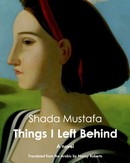
Things I Left Behind by Shada Mustafa, translated by Nancy Roberts
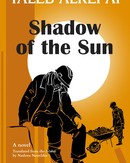
Shadow of the Sun by Taleb Alrefai
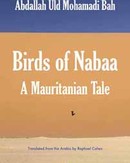
Birds of Nabaa, A Mauritanian Tale by Abdallah Uld Mohamadi Bah
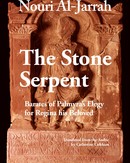
The Stone Serpent, Barates of Palmyra’s Elegy for Regina his Beloved by Nouri Al-Jarrah
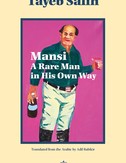
Mansi A Rare Man in His Own Way by Tayeb Saleh (Banipal Books, 2020)
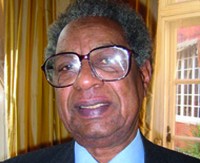
Tayeb Salih
Goat Mountain by Habib Selmi
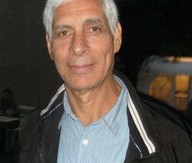
Habib Selmi, author of Goat Mountain and 3 times shortlisted for the IPAF
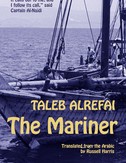
The Mariner by Taleb Alrefai (Banipal Books, 2020)
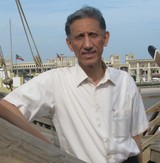
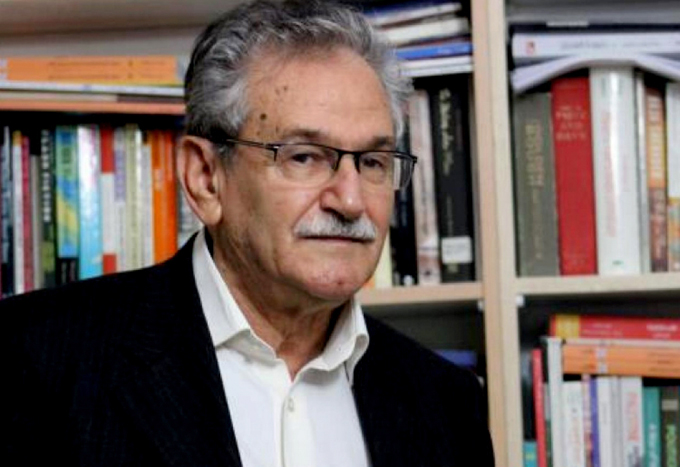
Taleb Alrefai, author of Shadow of the Sun and The Mariner
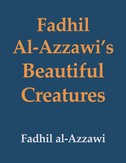
Fadhil Al-Azzawi's Beautiful Creatures by Fadhil al-Azzawi (Banipal Books, 2021)
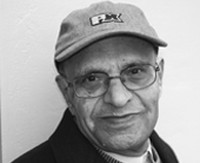
Fadhil al-Azzawi
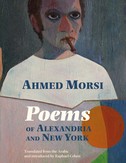
Poems of Alexandria and New York by Ahmed Morsi (Banipal Books, 2021)
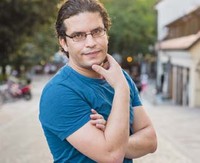
Saïd Khatibi
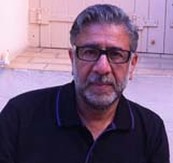
Amjad Nasser (1955–2019)
Digital Banipal the full archive
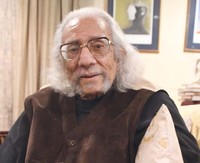
Ahmed Morsi, author of Poems of Alexandria and New York
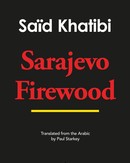
Sarajevo Firewood
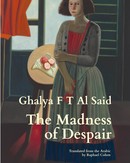
The Madness of Despair



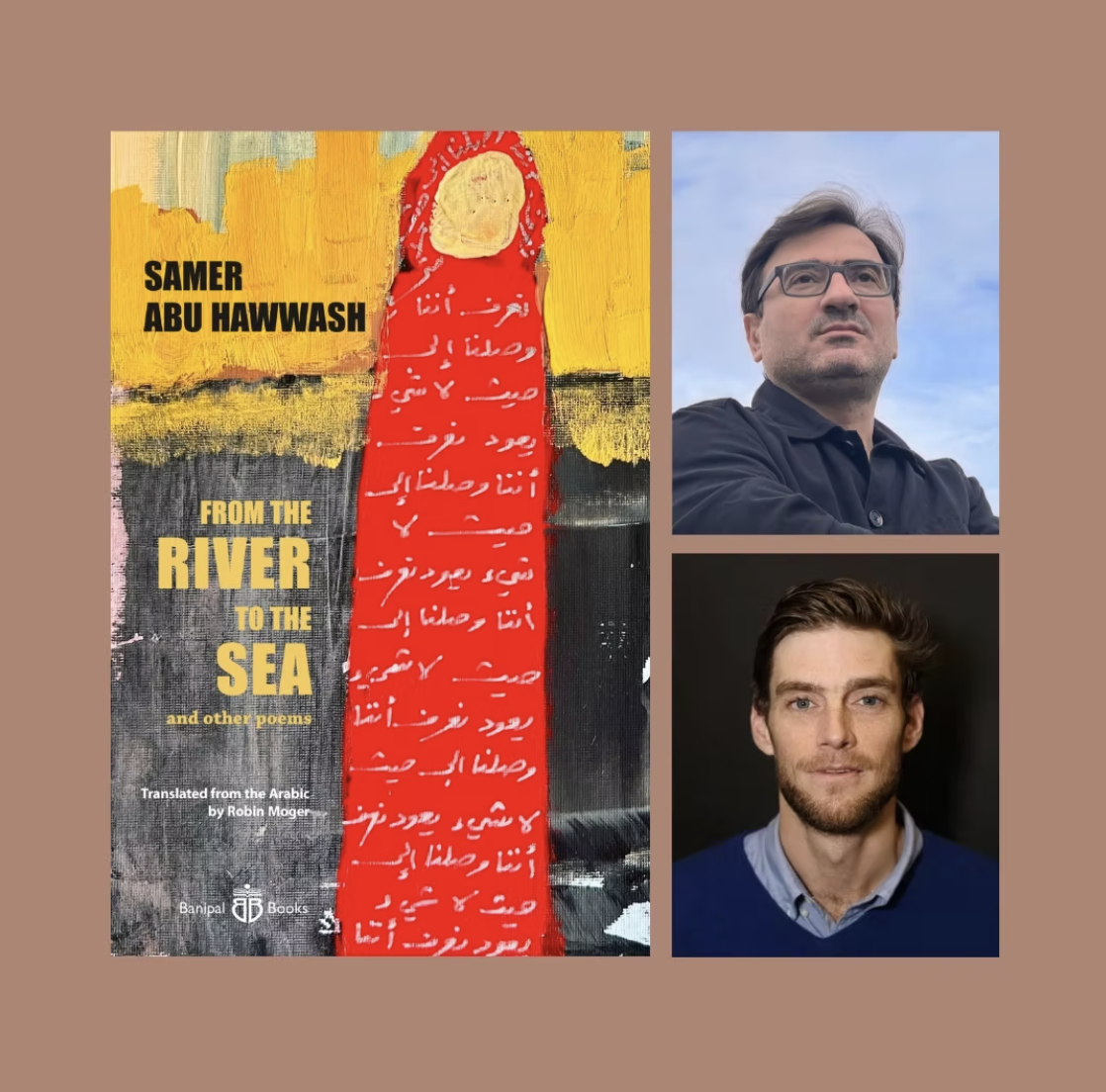
.png)

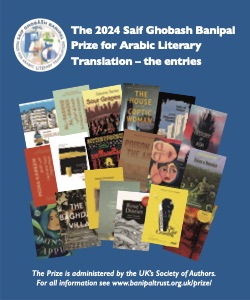
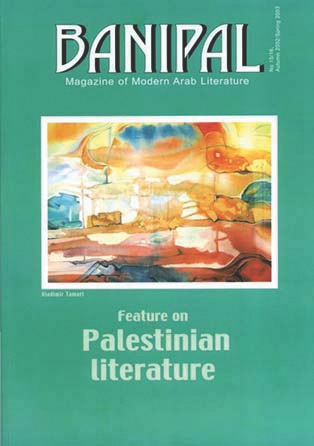
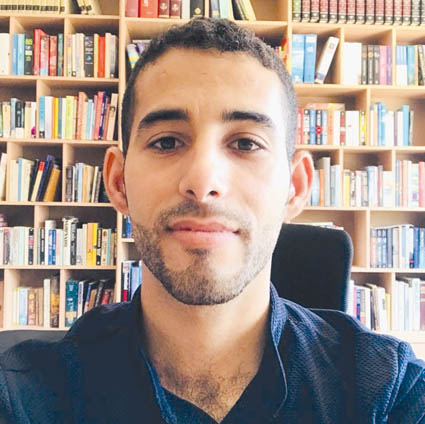
Link to poems by Mosab Abu Toha, published in Banipal 71 (Summer 2021), available to read online
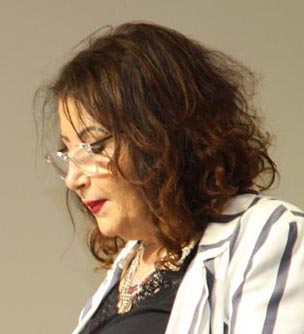
Link to poem by Liana Badr published in Banipal 74, now available as an online selection











* * *

 GRIFFIN PRIZE SHORTLIST 2023
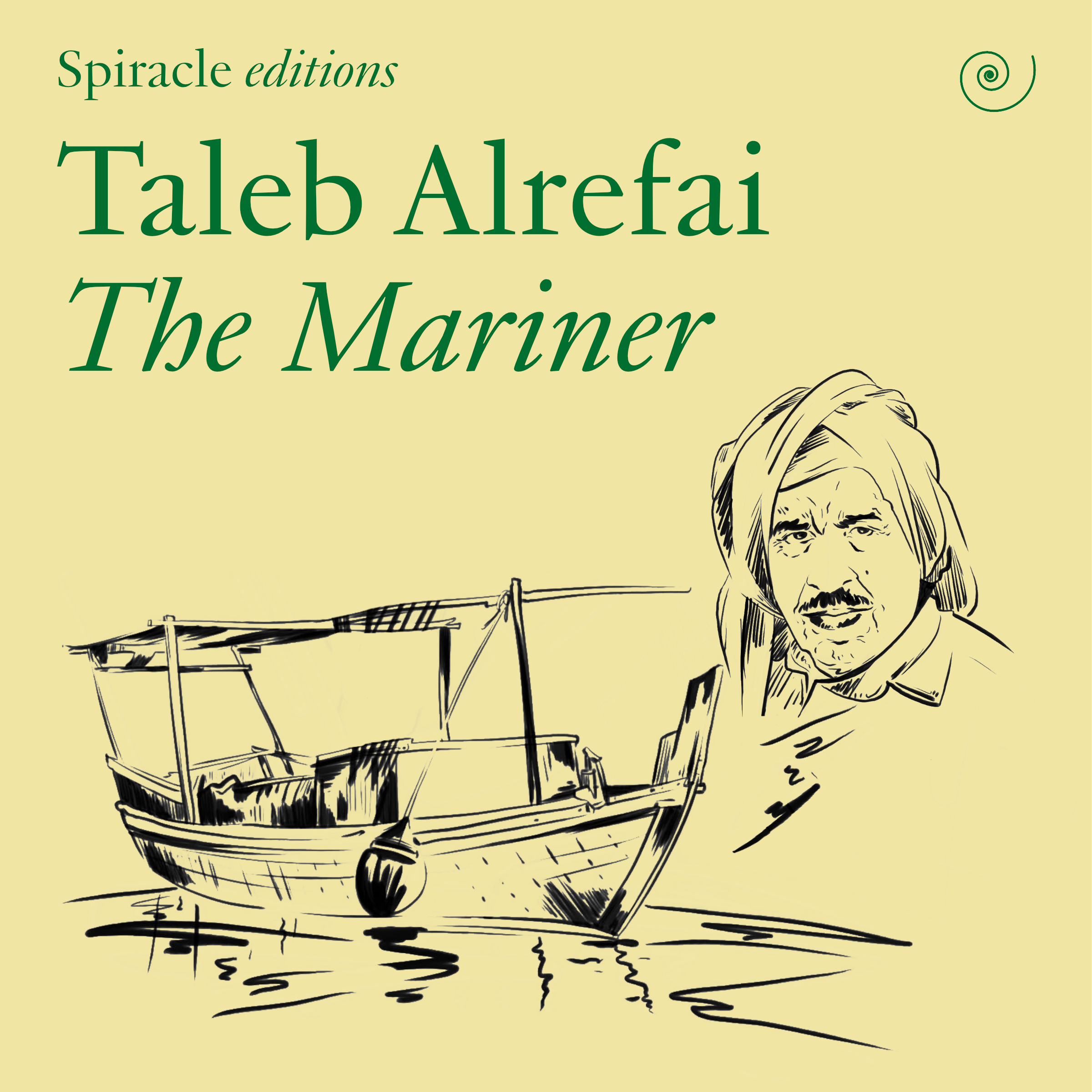 Banipal's first audiobook